
Speakers
Our diverse roster features experts in science, technology, policy, investment, communications, education, and political leadership, all united by a commitment to tackling antimicrobial resistance through a truly One Health lens.
Explore the profiles of distinguished researchers, innovative entrepreneurs, influential policymakers, and passionate advocates who will share their insights and inspire action across human, animal, and environmental health sectors.
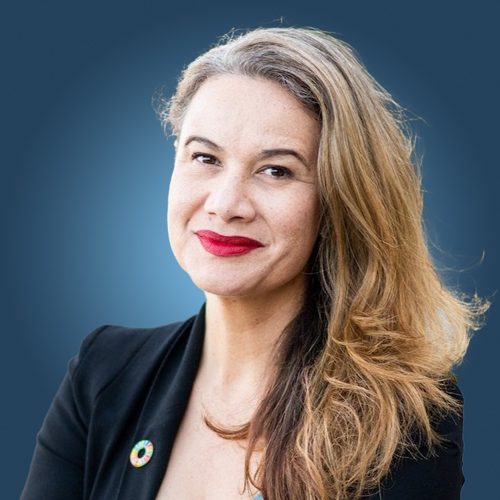
Master of ceremonies
Jas Chambers
President, Science & Technology Australia
Founder and Chair, Ocean Decade Australia
Read bio
Jas Chambers is an experienced leader working at the intersection of nature, science, business and policy with expertise in international science diplomacy including with the World Meteorological Organization, and the UNESCO Intergovernmental Oceanographic Commission (IOC).
Recognising a crucial gap in Australian ocean governance in 2021 Jas co-founded and now Chairs Ocean Decade Australia. She is Director of Provenance Consulting, serves as President-elect of Science & Technology Australia and is a Member for the Cooperative Research Centres Advisory Committee for the Commonwealth Government of Australia.
Presenters

Dame Sally Davies
UK Special Envoy on AMR
Read bio
Dame Sally Davies was appointed as the UK Government’s Special Envoy on AMR in 2019. She is also the 40th Master of Trinity College, Cambridge University.
Dame Sally was the Chief Medical Officer for England and Senior Medical Advisor to the UK Government from 2011-2019. She is a leading figure in global health, having served as a member of the World Health Organisation (WHO) Executive Board 2014-2016, and as co-convener of the United Nations Inter-Agency Co-ordination Group (IACG) on Antimicrobial Resistance (AMR), reporting in 2019. In November 2020, Dame Sally was announced as a member of the new UN Global Leaders Group on AMR, serving alongside Heads of State, Ministers and prominent figures from around the world to advocate for action on AMR.
In the 2020 New Year Honours, Dame Sally became the second woman (and the first outside the Royal family) to be appointed Dame Grand Cross of the Order of the Bath (GCB) for services to public health and research, having received her DBE in 2009.

Hon. Julia Gillard AC
27th Prime Minister of Australia
Chair, Wellcome Trust
Read bio
Hon. Julia Gillard AC served as the 27th Prime Minister of Australia (2010-13) and is a longstanding advocate for gender equity through her work with the Global Institute for Women’s Leadership. She is currently Chair of the Wellcome Trust, one of the world’s largest philanthropic organisations funding science to solve urgent health challenges. A passionate supporter of science and international collaboration, Julia brings a unique perspective to the AMR 2026 Summit.

Rt Hon. Helen Clark ONZ
Former Prime Minister of New Zealand
Former Administrator of UNDP
Read bio
Helen Clark was Prime Minister of New Zealand from 1999–2008 and a Member of Parliament for 27 years. She advocated strongly for economic and social justice, sustainability and climate action, and for multilateralism.
Helen served two terms as Administrator of the United Nations Development Programme (UNDP) and as Chair of the United Nations Development Group from 2009-2017.
Earlier, Helen taught in the Political Studies Department of the University of Auckland, from which she had graduated with BA and MA (Hons) degrees.
Helen advocates for sustainable development, climate action, gender equality and women’s leadership, peace and justice, and action on pressing global health issues. In July 2020, she was appointed by the Director-General of the World Health Organisation as Co-Chair of the Independent Panel for Pandemic Preparedness and Response. She chairs the boards of the Extractive Industries Transparency Initiative, the Partnership for Maternal, Newborn and Child Health, and other public good organisations and initiatives.

Jeffrey Sturchio
Co-chair, World Economic Forum’s Global Future Council on AMR
Read bio
Dr. Jeffrey L. Sturchio is co-chair of the World Economic Forum’s Global Future Council on Antimicrobial Resistance. He is past Chairman and CEO at Rabin Martin, a global health strategy consulting firm, and former President and CEO of the Global Health Council. Before joining the Council in 2009, Dr. Sturchio was vice president of Corporate Responsibility at Merck & Co. Inc., and president of The Merck Company Foundation
He is currently also chairman of Friends of the Global Fight Against AIDS, TB and Malaria and chairman of the International Society for Urban Health, and a member of the boards of ACHAP, the American Institute of the History of Pharmacy, the Consortium for the History of Science, Technology, and Medicine, the Corporate Council for Africa, the Health Finance Institute, and the Science History Institute. He is also a senior associate at the Global Health Policy Center of the Center for Strategic and International Studies; a visiting scholar at the Institute for Applied Economics, Global Health, and the Study of Business Enterprise at Johns Hopkins University; and an advisor to amfAR, the Malaria Elimination Initiative, the TB Alliance, and the Partnership for Quality Medical Donations.
Dr. Sturchio received his A.B. in history at Princeton University in 1973 and a PhD in the history & sociology of science at the University of Pennsylvania in 1981. His books include Noncommunicable Diseases in the Developing World: Addressing Gaps in Global Policy and Research (edited with L. Galambos and R. C. Whitehead, Johns Hopkins University Press, 2015), and The Road to Universal Health Coverage: Innovation, Equity and the New Health Economy (edited with I. Kickbusch and L. Galambos, Johns Hopkins University Press, 2019).
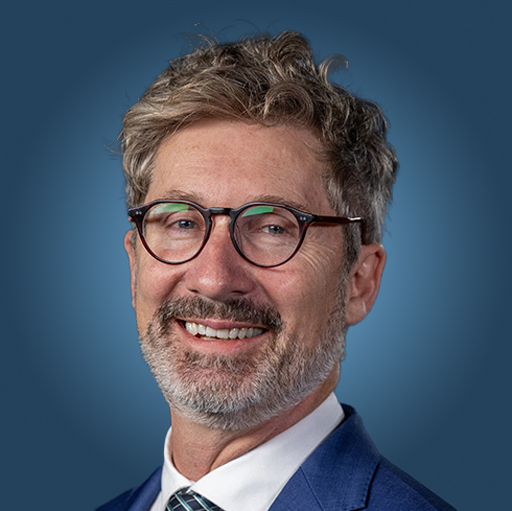
Chris Cannan
Australia’s Ambassador for Global Health,
First Assistant Secretary – Global Health and Education Division
Read bio
Chris is a senior career officer in the Department of Foreign Affairs and Trade (DFAT). He is currently Australia’s Ambassador for Global Health and head of the department’s Global Health Division. He has held diverse leadership roles across DFAT’s operations, including Europe bilateral relations, corporate governance, public affairs, multilateral engagement, global health, protocol, human resources, and budget policy. Overseas he has served as Australian Ambassador to Israel, with earlier postings in Vienna and Manila. He has worked for the Global Fund to Fight AIDS, TB and Malaria in Geneva and was deployed with the ADF-led Bougainville Peace Monitoring Group in Papua New Guinea.
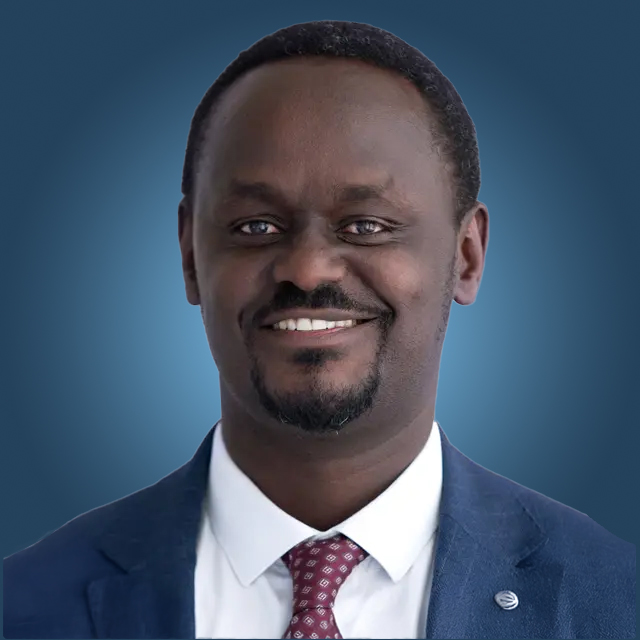
Jean Pierre Nyemazi
Quadripartite Joint Secretariat on AMR
and Global Coordination and Partnership at WHO
Read bio
Dr Jean-Pierre Nyemazi serves as the Director of the Quadripartite (FAO, UNEP, WHO, WOAH) Joint Secretariat on Antimicrobial Resistance (AMR) and the Head of the Governance & Strategic Initiatives unit in the AMR Department at the WHO.
Leading a dedicated team, he advances multisectoral action against AMR, focusing on implementation of the UNGA Political Declaration on AMR and other Global commitments. His work also supports the functioning of the Global Governance Structures for AMR, including the Global Leaders Group on AMR, AMR Multistakeholder Partnership Platform. Before joining WHO, he held the position of Permanent Secretary of the Ministry of Health of Rwanda.

Jane Halton AO PSM
Chair, Coalition for Epidemic Preparedness Innovations, Institute of Health Metrics and Evaluation, and Ngamuru Advisory
Read bio
Jane Halton is Chair of the Coalition for Epidemic Preparedness Innovations, the Institute for Health Metrics and Evaluation, and Ngamuru Advisory. She serves on the boards of Vet Partners, ASPI, Clayton Utz, and the Australian Film, Television and Radio School. Her previous roles include Chair of Suncorp Bank, Crown Resorts, and co-chair of the Global COVAX mechanism. A former Secretary of both the Department of Health and Department of Finance, Jane has deep expertise in public policy, finance, health, and ageing. Internationally, she has held senior roles with the World Health Organization and chaired the OECD Health Committee. She is an Honorary Professor at ANU and Adjunct Professor at the Universities of Sydney and Canberra. Jane has contributed significantly to public health, including tobacco control and communicable disease, and has received numerous honours including the Order of Australia and election to the US National Academy of Medicine.

Steve Wesselingh
CEO, National Health and Medical Research Council (NHMRC)
Read bio
Professor Wesselingh took up the position of the Chief Executive Officer at the National Health and Medical Research Council (NHMRC) in August 2023.
Professor Wesselingh is an infectious diseases physician and researcher. He undertook his undergraduate and doctoral training at Flinders University and his post-doctoral training at Johns Hopkins in the United States.
Until July 2023, Professor Wesselingh was the inaugural Executive Director of the South Australian Health and Medical Research Institute (SAHMRI). He was also a member of NHMRC Council, Chair of Research Committee, and the President of the Australian Academy of Health and Medical Sciences (AAHMS).
Between 2007-2011, he was Dean of the Faculty of Medicine, Nursing and Health Sciences at Monash University.
Fiona Reynolds
President, FAIRR
Read bio
Fiona Reynolds is an independent director and advisory board member working globally across the business and investor sectors on sustainability issues.
Fiona Reynolds joined FAIRR in 2024 as President. In this strategic advisory role, Fiona draws on her vast experience to help further increase the initiative’s impact in the broader ecosystem of investors, funders, and partners.
Fiona has been recognised as one of the top 20 influential figures in global sustainability by Barron’s magazine.
Fiona led the Principles for Responsible Investment (PRI) as CEO for almost a decade until early 2022.
She is the Chair of the UN Global Compact Network Australia and serves on the Board of Frontier Advisors, the Australian Sustainable Finance Institute, and the Achieve Foundation. She is on the Advisory Boards of Affirmative Investment Management, and ROC Partners. She chairs the ESG Advisory Board for Qualitas and is on the think tanks Climate Catalyst, and the UBS Sustainability and Impact Forum, as well the Advisory Committee for the NSW Commissioner for Anti-Slavery and the Australian Human Rights Institute.

Thanawat Tiensin
Assistant Director-General, Chief Veterinarian, and Director of the Animal Production and Health Division, FAO
Read bio
Dr. Thanawat Tiensin is the Assistant Director-General, Chief Veterinarian, and Director of the Animal Production and Health Division at FAO, leading global efforts on animal health, production, and One Health. He previously served as Minister (Agriculture) and Thailand’s Permanent Representative to the UN Agencies in Rome (2018-2022) and chaired key FAO bodies, including the Committee on World Food Security. With extensive experience in international livestock policy, food security, and zoonotic disease prevention, apart from FAO, he has worked with key international agencies like IAEA, EU, ADB, and WOAH to strengthen One Health approaches across multiple countries.
Michael Kidd AO
Chief Medical Officer, Australian Government Department of Health, Disability and Ageing
Read bio
Professor Michael Kidd AO is Australia’s Chief Medical Officer, based in the Australian Government Department of Health, Disability and Ageing. He is a general practitioner and a primary care and public health researcher, and has served as president of the Royal Australian College of General Practitioners, and president of the World Organization of Family Doctors. He is an elected Fellow of the Australian Academy of Health and Medical Sciences, and has held past research appointments at Monash University, the University of Sydney, Flinders University, the Australian National University, and the University of Toronto. He holds a current joint academic appointment as the Foundation Director of the International Centre for Future Health Systems at the University of New South Wales, and as Professor of Global Primary Care with the Nuffield Department of Primary Care Health Sciences at the University of Oxford.

Lord Jim O’Neill
Member of the House of Lords, Chair of the 2016 Review on Antimicrobial Resistance
Read bio
Jim O’Neill is a member of the House of Lords, sitting on the cross benches since he stepped down as Commercial Secretary to the Treasury in September 2016.
Jim is Chair of Northern Gritstone, a private investment company to support and expand start -up businesses, primarily originating from the Universities of Leeds, Manchester and Sheffield. He is Co-President of, and formerly Chair of, the Northern Powerhouse Partnership and is a member of the South Yorkshire Mayoral Economic Advisory Council. He chaired the Cities Growth Commission in the UK, which formed the basis for the Cameron government’s approach to devolution and the concept of the Northern Powerhouse.
Jim is Chair of the NeoTest AMC working group launched by CGD to develop an advance market commitment for rapid diagnostic tests to combat neonatal sepsis in low and middle-income countries where the need is the greatest.
He also still spends time on economic and finance of International Health Policy, having contributing to the UK G7 on Health, served on The Times Health Commission, and serving on the Monti Commission. Jim chaired an independent Review into AMR for the Cameron Government, helping drive HM Government’s strategy as well as providing key input to the United Nations high level agreement in 2016. In 2018, Jim published a book, Superbugs, on AMR with two of his colleagues from the Review.
Rosemary Addis AM
Founding Managing Partner, Mondiale Impact
Read bio
Rosemary Addis is a globally recognised director and strategist at the forefront of innovation and investment for impact. She has led design and execution of ground-breaking investment vehicles, policy and pioneering organisations shaping market transformation for a more positive, sustainable future.
Rosemary founded Mondiale Impact in 2022 with colleagues to support and challenge leaders in boardrooms and beyond to confront the new governance realities of our complex cotemporary context. She founded strategy firm Impact Strategist in 2003 and has advised and led on ground breaking strategies with clients including the World Banking Group, United Nations Development Programme, OECD Social Impact Investing Initiative, the World Economic Forum, governments and from major banks to institutional investors, corporations and foundations.
Lesley Ogilvie
Director of the Secretariat at the Global AMR R&D Hub
Read bio
Lesley is the Director of the Secretariat at the Global AMR R&D Hub, an international partnership dedicated to strengthening coordination, collaboration, and evidence-based decision-making in antimicrobial resistance (AMR) research and development. She holds a PhD in microbiology, with research expertise spanning infection biology and the human gut virome in health and disease. Before joining the Hub, Lesley held academic and research positions in microbial ecogenomics at institutions in the UK and Germany, including the Max Planck Institute of Molecular Genetics and the University of Brighton. She represents the Hub in advisory and expert groups convened by the World Health Organization (WHO), the European Commission, and other global stakeholders. Deeply committed to science-informed policymaking, she works to advance global collaboration and sustainable, evidence-driven solutions to address the growing challenge of AMR.
Henry Skinner
CEO, AMR Action Fund
Read bio
Henry Skinner, PhD, MS Bioethics, CEO of the AMR Action Fund, has spent his career working to overcome the scientific and economic challenges associated with antimicrobial drug development. His cross-disciplinary expertise has been essential to shaping the AMR Action Fund’s investment portfolio and policy priorities, with an emphasis on issues pertaining to R&D, innovative financing, and equitable access.
Prior to joining the AMR Action Fund, Dr. Skinner held leadership positions across the pharmaceutical, biotech, and venture capital sectors. He was a postdoctoral fellow at Baylor College of Medicine in the department of Human and Molecular Genetics, earned a PhD in Microbiology and an MS in Biochemistry from the University of Illinois; an MS in Bioethics from Harvard Medical School; an MJur in Health Law, Policy, and Management from Texas A&M; and an MS and BS in Biology/Biotechnology from Worcester Polytechnic Institute.

David Aanensen
Director of the Centre for Genomic Pathogen Surveillance, Pandemic Science Institute, University of Oxford.
Read bio
David is a Professor of Genomic and digital epidemiology and Director of the Centre for Genomic Pathogen Surveillance (CGPS) at the Pandemic Science Institute, University of
Oxford. David also directs the WHO Collaborating Centre on Genomic Surveillance of AMR and the NIHR Global Health Research unit on Genomics and enabling data for surveillance of AMR, with key partners in Nigeria, India, Phillipines and Colombia.
David’s team bridge the gaps between biology, computer science, and public health towards
applied genomic epidemiology. His research focuses on building digital infrastructure and
global networks for genomic surveillance, providing critical resources for understanding
pathogen evolution and combating Antimicrobial Resistance (AMR).

Amish Acharya
Senior Scientific and Clinical Advisor to Executive Chair, Fleming Initiative
Read bio
Dr Amish Acharya MD PhD is Senior Scientific and Clinical Advisor to Lord Darzi, the Executive Chair of the Fleming Initiative. He is an active clinician scientist with over a decade of experience in the UK’s National Health Service, working as a vascular surgeon. As Lord Darzi’s advisor he has been responsible for supporting the strategic positioning, fundraising activity and external relations for the Fleming Initiative, having helped lead on the development of a number of partnerships during his tenure. He has recently, been working on supporting the Initiative’s work in data and AI, in particular, the infrastructural challenges faced when harnessing data-driven technologies at-scale.

Damilola Adesuyi
Program Officer – Public Health, One Health and Development Initiative
Read bio
Damilola Adesuyi is an early-career public health microbiologist applying behavioural science and the One Health approach to address antimicrobial resistance (AMR) and zoonotic diseases. He is Program Coordinator for AMR Mitigation and Antimicrobial Stewardship at the One Health and Development Initiative (OHDI), where he leads risk communication and AMR education and supports policy-relevant research. A Tsuha Global Fellow and 2024 RSTMH Early Career Grant recipient, Damilola has contributed to Nigeria’s national AMR policy, including the Situational Analysis that informed NAP 2.0, and supported priority-setting for the National AMR Coordinating Committee. He has co-authored scientific and technical publications and leads award-winning youth-focused initiatives, including the African Youths for AMR Communication Project, recognised by the UK Health Security Agency. He currently serves on the Quadripartite Working Group on Youth Engagement for AMR and advocates for youth-led One Health action globally.

Raheelah Ahmad
Informed Policy co-lead, Fleming Initiative
Read bio
Raheelah is a Professor of Health Systems at City St George’s, University of London (CSGUL), and Informed Policy co-lead at the Fleming Initiative, Imperial College London, with over a decade of national and international applied research, capacity strengthening, and healthcare innovation implementation. She is Senior Mentor for the DHSC/UK Government Fleming Fund Policy Fellows Programme, Knowledge Mobilisation Lead for the NIHR Health Protection Research Unit (HPRU) in Respiratory Infections and served as the Director for Global Engagement at the School of Health & Medical Sciences, CSGUL (2021-2025), contributing to strategic leadership. Raheelah leads Health Innovation & Change teaching on the MSc Health Management programme at CSGUL and is faculty for the EUCIC Implementation in Infection Prevention and Control course (Zurich).

Richard Alm
Chief Scientist and Interim Chief of R&D, CARB-X
Read bio
Richard joined CARB-X in 2019 following almost 20 years in large pharma Infection R&D teams followed by 4 years at a small antibacterial biotech company where he supported the progression of small molecule compounds from discovery through to late-stage clinical development and registration. He obtained his PhD in molecular microbiology from the University of Adelaide, and prior to joining industry he had two post-doctoral positions in the AMR area, one in Australia at the University of Queensland and one in Canada at the University of Victoria in British Columbia. He currently serves as the Chief Scientist and Interim Chief of R&D at CARB-X, a global non-profit organization that supports a diverse and innovative pipeline of traditional and non-traditional products to prevent, diagnose, and treat infections caused by drug-resistant bacterial pathogens.

Gabriella Ak
Clinical Microbiologist, Chairlady of the Infection Prevention & Control committee, Port Moresby General Hospital
Read bio
Gabriella, a clinical microbiologist at Port Moresby General Hospital, plays a vital role in strengthening collaboration between laboratory and clinical teams to combat AMR in Papua New Guinea. A Fleming Fund Fellow, she advanced AMR diagnostics and data analysis, producing annual antibiograms that inform local clinical practice. As head of the hospital’s Infection Prevention and Control Committee, she leads key IPC initiatives. With a Master’s in Medicine (General Pathology) from UPNG and a Postgraduate Diploma in Medical Microbiology through PRIDA, Gabriella is a driving force in advancing AMR response and clinical excellence in PNG.

Bruce Altevogt
Vice President of Public Health Policy and Strategic Engagement, bioMérieux
Read bio
Bruce Altevogt serves Vice President of Public Health Policy and Strategic Engagement at bioMérieux, a leading global diagnostics company. In this role Dr. Altevogt focuses on establishing a regulatory and policy environment that nurtures the improved utilization of diagnostics solutions, unleashing their potential for transforming health. In addition, he serves a board member of the AMR Industry Alliance Board.
Prior to joining bioMérieux Dr. Altevogt held positions at Pfizer including Vice President and Head External Engagement where he was responsible for establishing and managing patient and medical stakeholder engagement and the above-brand AMR Medical strategy. Dr. Altevogt also served as Senior Director of Science Policy and Science Advocacy, where he managed policy issues in support of Pfizer’s research & development enterprise, vaccines, and was led AMR policy. Dr. Altevogt also has 12 years experience at the not-for-profit National Academy of Sciences. While at the National Academies he oversaw the publication of over 50 reports and led policy initiatives related to basic research, drug discovery and development, and public health preparedness.
Dr. Altevogt received a doctorate from Harvard University’s Program in Neuroscience and a B.A. from the University of Virginia, where he majored in Biology and minored in South Asian Studies.

Afreenish Amir
Project Director AMR (US CDC Project), Pakistan National Institute of Health
Read bio
Dr. Afreenish Amir, medical microbiologist, expertise spans AMR surveillance (GLASS, PASS), laboratory systems, antimicrobial stewardship, bacterial/fungal surveillance genomics, waste water environmental surveillance, Pakistan’s cholera control strategy. She excels in building partnerships, planning and implementing programs. She worked 8 years with NIH Pakistan in roles including Project Director AMR (US CDC project). She has served as Chair of Emerging Leader in Infectious Diseases Program at ISID USA, Federal Region Chapter Head for Pakistan Biological Safety Association, and serving as Board Director of Mehnaz Fatima Foundation Gilgit, Pakistan. She is Harvard Kennedy School alumna on Global Health Security, GIBACHT fellow on biosafety and biosecurity, Consultant with American Society of Microbiology USA and The South Center Geneva, adjunct faculty at Rawalpindi Medical University and Health Services Academy Pakistan.
She is member of WHO Advisory Group on BPPL, WHO Global Research Agenda for AMR in Human Health, TAG Fleming Fund UK. She is GHSA AMR Action Package; Pakistan Lead, Advisory member AMRnet Policy Advisory Group (UK), TWG Asia Pathogen Genomics Initiative (DUKE NUS-Singapore), member Global Typhoid Genomics Consortium (LSHTM UK), CAMONET Pakistan Initiative, and AMR Education in Children, Fleming Initiative.

Anand AnandKumar
Co-founder, CEO of Bugworks
Read bio
Dr. Anandkumar is a Co-founder and CEO of Bugworks, an Indo-USA-Australia biotech startup, working on tackling the massive problem posed by untreatable bacterial Superbugs which are implicated in hospital/community infections and bio-terrorism situations. Bugworks also has an advanced drug discovery program in Oncology targeting cancers of Colon, Gastric, Breast, Lung and Head/Nech. Bugworks hopes to make a massive impact on humanity by addressing large unmet medical needs while making its products affordable and accessible to all. The company is supported by global bluechip investors and is supported by Antimicrobial Resistance (AMR) global grants including Gov of India’s DBT-BIRAC, CARB-X and GARDP.
Bugworks has invented a novel class of Antibiotics, broad spectrum in functionality. The company has won the best Innovator awards from Economic Times (2018) and Forbes India (2024), in addition to many national and international awards.
Prior to Bugworks, Anand was the co-founder of Cellworks a company that pioneered the use of computer simulation to support personalized cancer therapies. Prior to the biotechnology experience, Anand was a veteran of the semiconductor industry having held executive positions in the USA, EU, Japan, China, before returning to India. Anand is a global voice for AMR, particularly representing the global south.
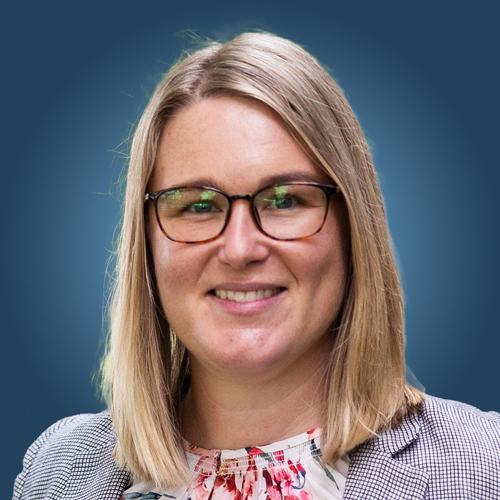
Katie Asplin
Director of Animal Health Policy and Engagement, Animal Medicines Australia
Read bio
Dr Katie Asplin is Director of Animal Health Policy and Engagement at Animal Medicines Australia, the peak industry association for innovations, manufacturers, importers and registrants of animal health products.
Katie works with partners to develop, implement and advocate for policy solutions to emerging challenges facing the animal health sector, including promoting responsible and sustainable use of antimicrobials, with the goal of reducing the need for antimicrobials through disease prevention, improved diagnostics, biosecurity and animal husbandry.
Katie holds a PhD in equine endocrinology and has a background in multi-site human cardiothoracic clinical research trials, agvet chemical regulation and crop protection product policy and stewardship.

Olayinka Badmus
Co-founder and Technical Director, Afrihealth for Social Development and Impact
Read bio
Dr. Olayinka Badmus is a global health strategist and public health communicator with over 15 years of experience bridging science, storytelling, and social behavior to strengthen health systems across Africa. Her work spans maternal and newborn health, epidemic preparedness, vaccine confidence, and antimicrobial resistance (AMR), with a focus on contextualized messaging and audience-centered engagement.
As Deputy Project Director for the USAID-funded Breakthrough ACTION-Nigeria project, she led national risk communication and One Health advocacy efforts, pioneering AMR campaigns co-created with multisectoral partners and championing data-driven approaches to counter misinformation and promote rational antibiotic use through participatory media innovations.
A passionate advocate for communication equity, Olayinka developed the T.R.U.S.T. Framework to guide inclusive, transparent, and responsive communication during health crises. She has trained journalists, health workers, youths, and civil society actors in evidence-driven communication to amplify community voices and build public trust. She currently serves as Interim Director at Population Health Frontiers.

Mona Basso
Strategic Advisor, Strategy & Governance
Read bio
Mona Basso is a recognised leader with 20+ years driving impactful commercial, economic and social progress, having lived and worked in Asia, UK, Australia and Europe.
She worked as a Management Consultant (APAC Strategy) at Palladium International, evaluating projects with multilateral institutions to unlock private funding for climate resilience, health security, infrastructure and inclusive growth. Her leadership roles with CFA Society Australia and the CISI (UK) strengthened her expertise in governance, advocacy and stakeholder engagement.
Her career launched at Apple, where she co-led a UNDP-Malaysian Ministry of Education digital inclusion program, setting global sales record and receiving the award personally from Tim Cook. Co-founder of The Big Rajah Food Caterers and having led initiatives for Fortuna Foundation’s for the Homeless, Mona empowers marginalised communities via employment and micro-enterprises. As Fellow of the Governance Institute of Australia (FGIA), Graduate of the AICD (GAICD), MBA holder, and CFA-certified in ESG Investing, she brings a cross-sector, impact-focused perspective to mobilising capital for sustainable development.

Randa Bazzi
Veterinarian and public health specialist, One Health Alliance, Jordan, One Health Social Science Working Group
Read bio
Randa Bazzi is a dedicated veterinarian, food safety expert, and One Health advocate with over 10 years of experience in animal health, slaughterhouse operations, and public health. She is actively engaged in combating AMR through awareness campaigns, research, and youth empowerment initiatives. Randa contributes to regional and global networks, including the One Health Alliance Jordan and the One Health Social Science Working Group. Known for her leadership, creativity, and commitment to sustainable solutions, she integrates science, community engagement, and advocacy to promote food safety, environmental health, and responsible antimicrobial use across human, animal, and environmental sectors.
Randa has been recognised as one of the inaugural Trailblazers in AMR.
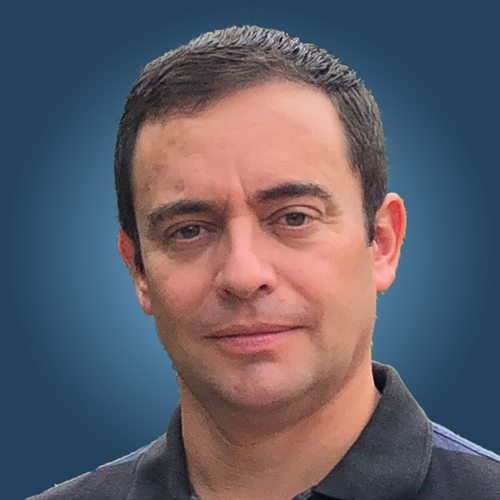
Ludovic Bernaudat
Head, Knowledge and Risk Unit, Chemicals and Health Branch, UNEP
Read bio
Ludovic has 25 years of experience in the development and implementation of international technical cooperation projects in the areas of international waters and chemicals and waste with a strong focus on chemicals pollution.
Ludovic currently leads the Knowledge and Risk Unit in the Chemicals and Health Branch of UNEP where he supervises a multidisciplinary team working closely with academics and experts on gathering scientific and technical information on current and emerging pollution issues to provide policy advice to constituencies.
The unit is coordinating the work on anti-microbial resistance work in UNEP. This includes collaboration at the international level through the Quadripartite Organisations as well as the various intergovernmental negotiations on the topic. The unit also supports countries to account for the environmental dimensions of AMR in their updated National Action Plan and take preventative action using a sectoral and multi-stakeholders approach.

Stephanie Berrada
Principal, IQVIA
Read bio
Dr. Stephanie Berrada, Principal at IQVIA, is a public health leader with over 19 years of experience in health systems strengthening across the African continent and internationally. She has led large-scale initiatives integrating project management, strategic planning, community health systems, pharmaceutical systems, and implementation research to improve health outcomes. Dr. Berrada works closely with governments, international agencies, and development partners, uniting multidisciplinary teams and engaging stakeholders from government ministers to community members. Over the past decade, she has held senior management positions in major multi-country, donor-funded health programs across Africa, leading initiatives in health systems strengthening, grant management, and service delivery. At IQVIA, she leads a portfolio of pharmaceutical and health systems projects, providing strategic and technical oversight to ensure evidence-driven, high-quality results aligned with client priorities. Her career reflects a dedicated commitment to building resilient health systems and achieving sustainable public health impact.

Monique Binet
Aquatic Ecotoxicologist, CSIRO
Read bio
Monique Binet is an aquatic ecotoxicologist whose research has focused on the generation of data, methods, and approaches that support the development and use of environmental water quality guidelines. Monique is currently a Senior Project Manager with CSIRO, where she manages complex multi-sector projects with academic, government, and industry stakeholders, and develops research projects to progress One Health solutions that aim to reduce the development and spread of AMR in the water sector.

Ian Black
CEO, Omico
Read bio
Ian Black is a dynamic and motivated life sciences industry professional with more than 30 years’ experience in the pharmaceutical industry across Australia and New Zealand. For more than 12 years Ian has held senior leadership roles, including two years as General Manager for Roche Pharmaceuticals in New Zealand. In 2012 Ian founded the Oncology Industry Taskforce, and continued to co-chair this Medicines Australia group until 2016. Ian is also a Graduate of the Australian Institute of Company Directors (AICD). Ian joined Omico as CEO in April 2024 and led the organisation to deliver the Precision Oncology Screening Platform Enabling Clinical Trials (PrOSPeCT) project – the largest cancer genomics and precision oncology initiative in Australia.

Debby Blakey
CEO, HESTA
Read bio
Debby Blakey, GAICD, is the CEO of HESTA, Australia’s $97 billion superannuation fund for health and community services workers. With over 30 years’ experience in the superannuation and financial services sectors, she holds qualifications in Mathematics, Computer Science, Financial Advice, Governance, Pension Fund Design and Sustainability.
Debby’s leadership is characterised by a ‘people-first’ approach, focusing on enhancing member experiences and financial outcomes while also ensuring operational rigour and excellence. She is a strong advocate for innovation and transformation within the superannuation industry.
Debby is the President of the Australian Council of Superannuation Investors (ACSI), a Director of the International Corporate Governance Network (ICGN) and is the founding Chair of the 40:40 Vision initiative – promoting gender equality at executive and Board level in ASX300 companies.
Under Debby’s leadership, HESTA has been called the ‘corporate conscience of Australia’ for its commitment to strong governance, environmental management and gender equality.

Andrew Bowskill
Co-chair, AAMRNet, and Director of QLD Stakeholder Engagement, MTPConnect
Read bio
Andrew joined Australia’s leading non-profit life-sciences innovation accelerator, MTPConnect, in 2019 and leads stakeholder engagement in the state of Queensland. He also led the establishment of, and co-chairs the Australian Antimicrobial Resistance Network (AAMRNet), a public-private, multi-stakeholder expert group promoting Australia’s role in the global fight against antimicrobial resistance (AMR). Previously he was Manager of Industry and Regulatory Policy at Medicines Australia, the peak body for the innovative pharmaceutical manufacturers in Australia. Andrew has a Bachelor of Pharmacy from the University of Otago, and extensive experience as a pharmacist in Australia and New Zealand.

Richard Brandweiner
Chair and Foundation Member, Impact Investing Australia
Read bio
Richard Brandweiner has spent thirty years working across all asset classes in the investment management industry. He was CEO of Pendal Australia, CIO of First State Super and Group Executive at Perpetual Investments. During his executive career he contributed to a number of the industry’s professional bodies including being President of CFA Society of Sydney, a member of the Global CFA Future of Finance Committee and was also on a number of boards at the Financial Services Council and ASFA.
Richard currently serves as Chair of Impact Investing Australia, is a Non Executive Director of Australian Ethical Investments Limited and is a member of the NSW Government Social Impact Expert Advisory Group. Further, he is on the Investment Committee of Aboriginal Investment NT and is Chair and Co-Founder of OpenDirector. He has a Bachelor of Economics from UNSW and is a CFA Charterholder.
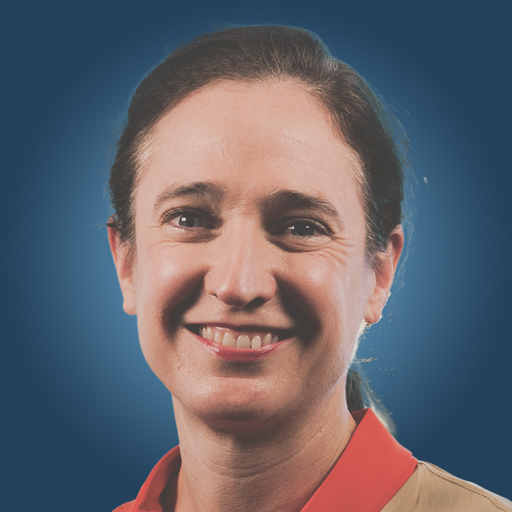
Mieghan Bruce
Associate Professor of Veterinary Epidemiology, Murdoch University
Read bio
Mieghan Bruce is an Associate Professor of Veterinary Epidemiology at Murdoch University, Australia. Her research is focused on integrating epidemiology and economics to investigate the links between agriculture and health. Within the Global Burden of Animal Diseases (GBADs) program, Mieghan is quantifying the productivity losses and expenditure associated with animal health problems. As an Executive Board member for the VetCompass Australia project, she is developing methodology to utilise electronic health records for animal health surveillance, creating a meta-catalogue for pharmaceutical agents to ensure interoperability with international standards. At Murdoch University, Mieghan is the Academic Chair for One Health, Post-graduate Research Chair, Deputy Director of the Centre for Biosecurity and One Health, and co-leads the ASEAN-Australia One Health Fellowship program. She teaches One Health, Public Health and Epidemiology to undergraduate and postgraduate students enrolled in veterinary, animal health, human health policy and biosecurity courses. With more than ten years’ experience in veterinary clinical practice, she has also worked as a consultant for FAO and EU development projects, identifying the costs and benefits associated with the control of livestock and zoonotic diseases, including antimicrobial use and resistance.

Steve Burnell
Managing Director, Tenmile and Senior Strategic Advisor, Minderoo Foundation
Read bio
Steve Burnell is the Managing Director of Tenmile and Chair of the Investment Committee. Tenmile is an Australian life science venture capital company owned by Tattarang, one of Australia’s largest private companies. Steve’s professional experience spans research, philanthropy, strategy consulting, M&A, and operating global businesses in fields as diverse as ecology, digital health, and precision oncology. He is relentlessly passionate about the power of new technology to positively impact human health and mitigate our climate impacts. Prior to his current role, Steve managed a global business, led M&A and established a new informatics and real-world data business for the world’s largest biotech, Roche-Genentech based in the USA.
He remains a senior strategic advisor to Minderoo Foundation where he has led large initiatives focused on COVID-19, Cancer, and Ocean Conservation amongst others. He holds a B.Sc. (Hons.) in Biology and a Ph.D. in Population Biology from the University of Sydney.
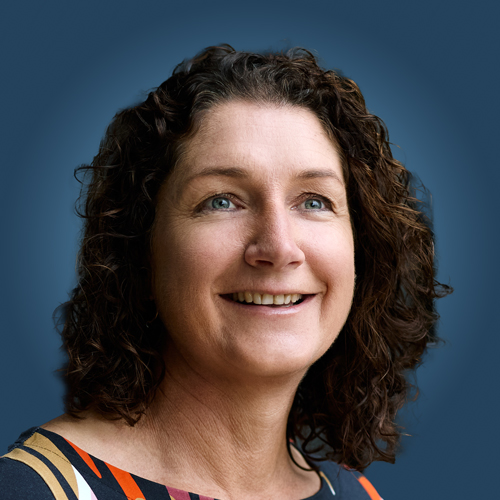
Mary Carr
Head of Collaboration, SAAFE-CRC
Read bio
Dr Mary Carr is the Head of Collaboration for Australia’s Cooperative Research Centre for Solving Antimicrobial Resistance in Agribusiness, Food, and Environments (SAAFE CRC). In this role, she leads strategic initiatives to facilitate collaborative action within a national consortium of researchers, industry and government partners to mitigate the complex threat of antimicrobial resistance (AMR)
Mary holds a degree in Veterinary Science, masters in Veterinary Public Health Management, is a member by examination of the epidemiology chapter of Australian and New Zealand College of Veterinary Scientists and a Graduate of the Australian Institute of Company Directors. She has worked for over 30 years in the veterinary industry both as a private veterinarian and government veterinary officer and held key leadership roles including the Chief Veterinary Officer of South Australia. She brings deep expertise in biosecurity, strategic planning, and One Health to co-create real-world solutions to complex AMR problems.
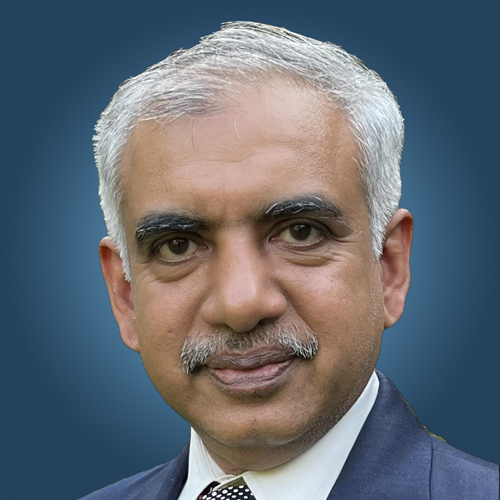
Sujith J Chandy
Executive Director, ICARS
Read bio
Dr. Sujith J Chandy is Executive Director at ICARS (International Centre for Antimicrobial Resistance Solutions), Denmark. He completed his MBBS and MD at Christian Medical College Vellore, India. He later went onto become Professor & Head, Department of Pharmacology & Clinical Pharmacology at his alma mater. Sujith has also attained a PhD focusing on antibiotic use at the Department of Global Public Health, Karolinska Institutet, Stockholm. He is a member of the WHO Strategic and Technical Advisory Group on AMR.
At ICARS, his team works with LMICs and other partners across the world to co-develop contextual, cost-effective and sustainable solutions for one health issues using intervention and implementation research. Dr. Chandy’s interests include global health, responsible use of medicines, medicine safety, medicine management and pharmaceutical ethics. His passion however is on tackling AMR through appropriate use of antibiotics and other relevant strategies.

Esmita Charani
Co-Principal Investigator, CAMO-Net South Africa
Read bio
Esmita is an Associate Professor at the University of Cape Town where she is undertaking a Wellcome Trust Career Development Fellowship on intersectional research in antimicrobial resistance (AMR), the PROTEA study across South Africa and India. She is the Co-Principal Investigator of CAMO-Net South Africa Hub. She is a Contributing Investigator to CIDRI-Africa at the University of Cape Town. In the UK, she is an Honorary Reader in Infectious Diseases, AMR and Global Health at the University of Liverpool. Her work in AMR has been recognised through the Academy of Medical Sciences UK-India AMR Visiting Professor Award. She is involved in mentoring and supporting clinical pharmacists and researchers across different healthcare settings and economies in implementing antimicrobial stewardship interventions. Her work on equity in global health, includes representation of people through imagery.

William Coleman
Managing Director, Red Is Go Studios
Read bio
William Coleman is a creative and strategic leader with 20+ years’ experience advancing emerging technology across nonprofit, education and enterprise. Formerly of Microsoft and Salesforce, he now focuses on storytelling and innovation to support cross-sector collaboration on complex challenges including frontline worker safety.

Jo Coombe
Chief Veterinary Officer
for NSW and Director
of Animal Biosecurity, NSW DPIRD
Read bio
Jo Coombe serves as the Chief Veterinary Officer for New South Wales and Director of Animal Biosecurity at NSW DPIRD. She holds a Veterinary Science degree and a PhD from the University of Melbourne and began her career as a dairy veterinarian in Timboon, southwest Victoria.
Jo has held key roles at Dairy Australia, including Manager of Animal Health, Welfare and Fertility, and later as Policy Lead. Her expertise has supported a range of universities and industry groups through consulting work, and she played a leading role in antimicrobial stewardship nationally as both Secretariat and Chair of the Animal Industries’ Antimicrobial Stewardship R,D & E Strategy (AIAS). Jo is also an invited member of the Australian Strategic and Technical Advisory Group on Antimicrobial Resistance (ASTAG).

Mark Davis
Medical Sociologist,
Monash University
Read bio
Professor Mark D.M. Davis is a medical sociologist, School of Social Sciences, Monash University. His research, education and leadership addresses social public health, with a focus on publics and their engagements with bioscience, lived experience-led policy design and the participation of underserved and minoritised groups. His research has been supported with funding from the UK’s ESRC, and the ARC and MRFF in Australia. He leads the Infection, Immunity and Society group at Monash. Mark’s book Selling Immunity: Self, Culture and Economy in Healthcare and Medicine was shortlisted for the 2025 Foundation for the Sociology of Health Illness book prize.
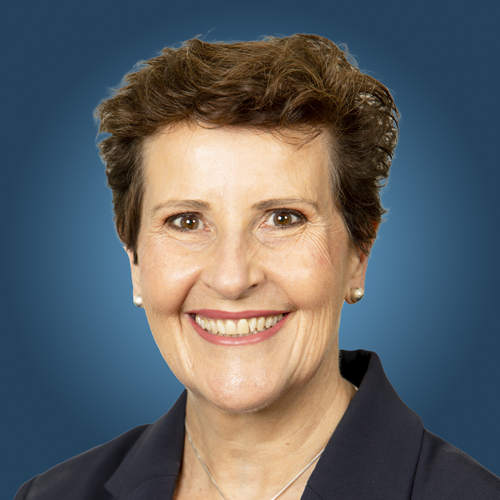
Liz de Somer
CEO, Medicines Australia
Read bio
Liz de Somer was appointed CEO of Medicines Australia in 2018 and has steered the association through four changes in Government and a dynamic policy landscape. Liz is one of Australia’s leading health policy experts on public health and the pharmaceutical industry. She is widely regarded for her contributions to national policy development spanning two decades and has led successive Strategic Agreement negotiations with Industry and the Commonwealth.
Liz began her career as an Intensive Care nurse before undertaking post-graduate studies in Medical Science, leading her to work across drug development, clinical trials, regulatory affairs and market access in the pharmaceutical industry. Her commitment to improving the lives of patients has remained a consistent focus throughout Liz’s career.
Liz contributes her industry expertise to various advisory boards and expert committees providing advice to Government. She was appointed by the Minister for Health and Aged Care to the HTA Review Reference Committee from 2023 to 2024 and sits on the Climate & Health Expert Advisory Group, the Ministerial Roundtable on Procurement, and the National Reconstruction Fund’s Enabling Capabilities Industry Working Group.

Tamsin Dewé
Strategic Lead for National Biosurveillance Network, Veterinary Medicines Directorate
Read bio
Tamsin oversees the UK’s national programmes of AMR surveillance in animals and a portfolio of underpinning research. Under her leadership, the UK has substantially expanded its surveillance of AMR in animals, including ground-breaking new work in dogs and cats. Tamsin is currently leading a major biosecurity project to bring privately-held AMR data into national surveillance and is a significant contributor to various cross-government One Health initiatives. She is constantly seeking to improve the way data is generated, shared, and utilised to support evidence-based policy-making around AMR.
Tamsin qualified as a veterinarian at the University of Melbourne and spent several years in clinical practice, before moving into infectious disease control and epidemiology. Her PhD, at Imperial College London, focused on mathematical and statistical modelling of the associations between antimicrobial use and resistance in different populations, giving her a deep understanding of AMR evolution and spread.

Erica Donner
Research Director, Solving Antimicrobial Resistance in Agribusiness, Food, and Environments Cooperative Research Centre (SAAFE CRC)
Read bio
Professor Erica Donner is an environmental scientist with expertise in chemical and microbiological risk assessment and management. She specialises in systems-based contaminants analysis, focussing on the water cycle, circular economy, and food production systems.
Erica is Research Director of Australia’s Cooperative Research Centre for Solving Antimicrobial Resistance in Agribusiness, Food, and Environments (SAAFE CRC). In this role, she leads a national consortium of researchers working together with industry and government partners to co-design, develop, and implement best practice solutions to mitigate the complex threat of antimicrobial resistance (AMR). Erica is also a Research Professor, Future Industries Institute, University of South Australia and the Co-Chair of EDAR8, which is being held in Brisbane, Australia in 2026.

Kalinda Griffiths
Director of Poche SA+NT, Flinders University
Read bio
Kalinda Griffiths is a Yawuru woman of Rubibbi (Broome), born and living in Garramilla (Darwin). She is the Director of Poche SA+NT at Flinders University and a Visiting Fellow at the Centre for Big Data Research in Health at UNSW. She is an Honorary Fellow at the Menzies School of Health Research where she co-leads the Ramaciotti Training Centre to support building STEMM capabilities in regional and remote Australia. An epidemiologist with more than 25 years of experience, her research focuses on the quality and use of Aboriginal and Torres Strait Islander data.
Her expertise spans the measurement of health disparities, cancer control, Indigenous Data Governance, and capacity building in STEMM to improve Indigenous health. A/Prof Griffiths is a Chief Investigator on several national collaborative health research initiatives that focus on data and health measurement including the Consortium for National Indigenous Genomics Capacity (CONNECT), Strengthening Transparent Reporting and Improving Visibility for Aboriginal and Torres Strait Islander Health (STRIVE) and The CArdiovascular Risk assessment equations for Aboriginal and Torres Strait Islander people (CARAT).
A/Prof Griffiths research has driven national and international policy and research agendas to improve Indigenous identification across health data and health reporting, the enactment of Indigenous data rights, and embed Indigenous Data Governance. Her appointments include Board Director of Science and Technology Australia, Co-Chairperson of the International Group for Indigenous Health Measurement, and Chairperson of the Department of Social Services’ Longitudinal Study of Indigenous Children.
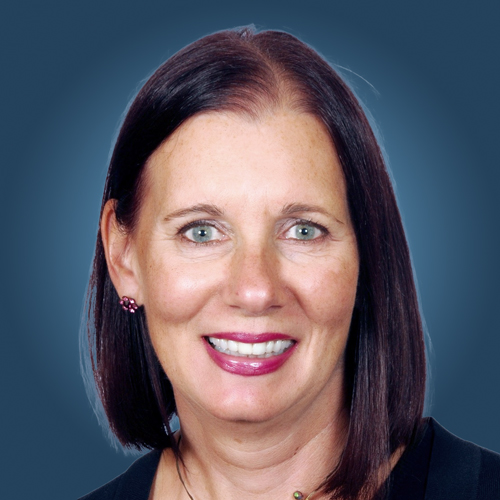
Debbie Goff
Infectious Diseases Specialist, Professor of Pharmacy Practice, The Ohio State University Wexner Medical Center
Read bio
Dr. Goff is an Infectious Diseases clinical pharmacist and Professor of Pharmacy Practice at The Ohio State University Wexner Medical Center, with over 35 years of experience in patient care and research. She is an internationally recognized, award-winning leader in infectious diseases and a global changemaker in antimicrobial stewardship. Her work has driven transformative impact across 36 countries, advancing antimicrobial resistance strategies that protect the public worldwide.
In 2019, she was selected by the World Health Organization as one of twenty-five global health experts to advance antibiotic stewardship in low-middle-income countries. In 2025, she was honored as one of eight recipients of the inaugural Global Women Trailblazers for AMR award.
Dr. Goff established the Train the Trainer Antibiotic Stewardship Program to support pharmacists in implementing stewardship practices for adult and neonatal patients. She also collaborates with dental professionals to promote responsible antibiotic use in dentistry. Her TEDx talk, “Antibiotics: just-in-case,” has reached a wide audience. She has authored over 150 publications, secured numerous grants, and delivered lectures nationally and internationally. Her ongoing commitment to advancing antimicrobial stewardship continues to shape best practices and inspire professionals worldwide.
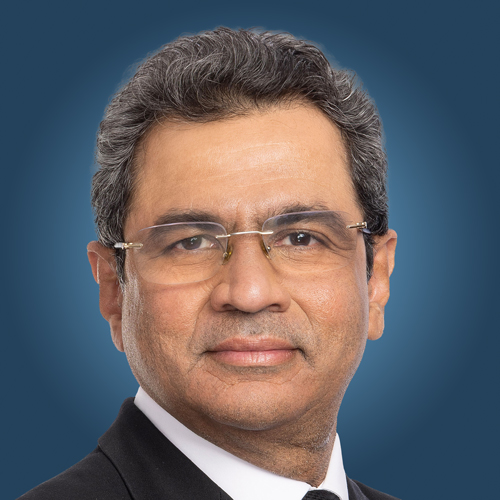
Jaideep Gogtay
Global Chief Medical Officer, Cipla Ltd
Read bio
Dr. Jaideep A Gogtay is a medical professional with a medical degree from Grant Medical College and an M.D. in Pharmacology from Seth GS Medical College/KEM Hospital in Mumbai, currently serving as Global Chief Medical Officer at Cipla Ltd with over 30 years of experience. He has contributed significantly to drug development in HIV/AIDS, infectious, and respiratory diseases, participated in multiple clinical trials from Phase 2 to Phase 4, helped establish the Chest Research Foundation, and has authored over 50 peer-reviewed publications and over 150 conference presentations with over 1100 citations. He leads the AMR initiative for Cipla and is active in AMR forums.

David Graham
Research Professor, Durham University, Visiting Professor, Chinese Academy of Sciences
Read bio
Professor David W. Graham is an expert in AMR, pollution prevention and proactive One Health-based action. A Chartered Engineer with training in civil and environmental engineering, biochemistry, and molecular microbiology, he integrates engineering practice with life sciences to address global health and environmental challenges. His research includes how agrochemicals, faecal pollution, and other contaminants impact AMR across the One Health spectrum, providing related guidance to the United Nations (UN) and agencies. Graham pioneered low-energy and decentralised wastewater management technologies aimed at reducing AMR and now applies AI and Large Learning Models to identify knowledge gaps and prioritise future research. He has contributed to UN and World Economic Forum reports and helped operationalise the UK’s wastewater surveillance system during the COVID-19 pandemic. He is a Research Professor at Durham University, Emeritus at Newcastle University, and a Visiting Professor at the Chinese Academy of Sciences.
Makara Hak
Advisor – Animal Health,
Food and Agriculture Organization (FAO)
Read bio
Makara Hak is a Technical Advisor for Animal Health with many years’ experiences in animal health and livestock development, One Health and AMR/AMR in Cambodia. Since 2010, he has served with FAO’s One Health and Livestock Production in Cambodia. Previously, he advised the EU-funded Smallholder Livestock Production Program (MAFF/NIRAS, 2007–2010) and held roles with Agronomes et Vétérinaires Sans Frontières (2004–2007); earlier, he worked with French veterinary consulting firms (2002–2003). His focus areas include One Health, transboundary animal diseases, AMR/AMU, workforce development, surveillance, and mentoring students.

Stefan Harrer
Program Director, AI for Science, CSIRO
Read bio
Dr. Stefan Harrer is a globally recognized scientist and intrapreneur at the intersection of artificial intelligence, life sciences, and digital health. Holding PhD (BioNanotech), MSc (Computational Chemistry), and BSc (Biomedical Engineering) degrees from TU Munich and as a recipient of Research Scholarships from MIT and UC Berkeley he spent two decades on three continents turning breakthrough ideas into transformative technologies — from wearable AI predicting epileptic seizures to agentic AI platforms that supercharge scientific discovery.
Currently Director of AI for Science at Australia’s National Science Agency, Stefan leads an innovation and product development program building AI agents as research lab assistants to tackle complex challenges in biology and medicine. He previously held leadership roles at IBM Research, where he pioneered neuromorphic computing, next generation DNA sequencing, wearable neurotech, and AI for clinical trial design — efforts that earned coverage by The Lancet, WIRED, Forbes, and the World Economic Forum.
A TEDx speaker, Forbes Technology Council member, Member of the New York Academy of Sciences and advisor to Harvard Medical School, Stefan blends deep technical expertise (74 granted patents, 70+ peer-reviewed publications) with commercial strategy and ethical foresight.

Elisabeth Hedström
Senior Analyst, Swedish Research Council (SRC)
Read bio
Elisabeth Hedström, PhD, is a Senior Analyst in international research policy at the Swedish Research Council (SRC), specializing in European Partnerships and strategic coordination of EU‑funded research initiatives. She works in the International Secretariat of SRC and within the coordination of the European Partnership on One Health AMR (EUP OHAMR). In the EUP OHAMR she oversees the EU affairs and works with the scientific portfolio and funding.
With experience managing complex international collaborations, Elisabeth previously served as Grants Specialist at Karolinska Institutet, Sweden, where, she supported researchers and university leadership in major national and European funding processes and participated in capacity‑building programs through train-the-trainers initiatives.
Elisabeth holds a PhD in Medical Science focusing on Oncology, from Karolinska Institutet.

Skye Heller
Senior Advisor, Impact Investing, Minderoo Foundation
Read bio
Skye Heller has over fifteen years of experience in impact investing in Australia and the UK. In her current role, she is responsible for investing Minderoo Foundation’s $250m Strategic Impact Fund and has consulted to leading impact investing players including NSW Treasury’s Office of Social Impact Investment (OSII), Social Ventures Australia (SVA) and Social Enterprise Finance Australia (SEFA). Skye previously worked at Bridges Funds Management in London, a global leader in impact investing.
Prior to impact investing, Skye worked in investment banking at Goldman Sachs JBWere and Macquarie Group, and has held senior roles in two finance start-ups. She has a Bachelor of Commerce and Bachelor of Laws (Hons) from the University of Sydney, an MBA from INSEAD, and is an Adjunct Fellow at UNSW Business School’s Centre for Social Impact.
Jennifer Herz
Co-founder, Biointelect and Biocelect
Read bio
Jennifer Herz, GAICD, co-founded Biointelect and Biocelect to provide end to end strategic commercialisation services to the biopharmaceutical sector. Jennifer has over thirty years commercialisation experience and has held a variety of roles with responsibility for Australia, New Zealand and European markets. She was the first Managing Director of Sanofi Pasteur which was a start-up company and grew significantly to be an established major provider of vaccines in Australia, New Zealand and the Pacific Region. During her time leading Biointelect she has overseen more than 600 projects providing rich and diverse experience in the complexity of life science product development and integrated commercial strategy. This experience includes successful FDA, EMA and TGA approvals and global launches as well as product and company failures, which is where the most learning is gained.
Jennifer is a Director of two NASDAQ listed US based biotech company’s Australian subsidiaries and has over twenty years Board experience across publicly listed, private and not-for-profit sectors. She has served on NHMRC’s Health Research Impact and Health Innovation Advisory Committees, the NSW Innovation and Productivity Council and is currently a member of the Australian AMR Network’s (AAMRNet) Steering Committee. She has previously served on the Board of Medicines Australia as Director and Vice Chair. She was also active in a variety of European and International Industry Association working groups responsible for liaison with health authorities including European Institutions and the WHO.

Kylie Hewson
Lead (Animal Health
and Environment),
Minimising AMR, CSIRO
Read bio
Dr Kylie Hewson has a degree in Biotechnology and a PhD in Molecular Virology. Kylie has worked for over 15 years in the Australian agriculture sector (predominately poultry) as a scientist, research manager and advocate for ensuring quality science is not only produced, but also made accessible and able to be used in setting policy and achieving meaningful impact.
She has received national and international awards for her science and advocacy, and sector awards for science communication. Kylie has represented industry on several high-level cross-sectoral and government committees, with extensive experience as Chair, across issues such as biosecurity, food safety, animal health and antimicrobial stewardship. Kylie brings a variety of perspectives from her lived experiences having worked across the private sector, government, academia, research funding organisations, representative organisations and managing her own company.
Kylie has a particular interest in capacity building and has established and coordinated numerous initiatives for the professional development of scientists, and is always seeking to connect people with opportunities.

Rosie Hicks
Chief Executive, Australian Research Data Commons (ARDC)
Read bio
Rosie Hicks is the Chief Executive of the Australian Research Data Commons (ARDC). Enabled by the Australian Government’s National Collaborative Research Infrastructure Strategy (NCRIS), ARDC provides Australian researchers with competitive advantage through data. ARDC’s mission is to accelerate research and innovation by driving excellence in the creation, analysis and retention of high-quality data assets.
Rosie has expertise and extensive knowledge of the Australian research infrastructure sector, with 20+ years building national capabilities that transform scientific discovery. Her career, spanning Japan, UK and Australia, includes every aspect of scientific instrumentation from product development and technical marketing to the management of multi-user facilities, working in environments that cross academic and industry domains to drive innovation and research translation.

Alison Holmes
Director, Fleming Initiative
Read bio
Alison Holmes is a Professor of Infectious Diseases and the Director of both the NIHR Health Protection Research Unit in Healthcare Associated Infections and AMR and the Centre for Antimicrobial Optimisation (CAMO), at Imperial College London. She leads a large multidisciplinary infectious disease research programme focusing on antimicrobial resistance, epidemiology, public health, precision medicine and the development of emerging, innovative technologies to address infection prevention and management, antibiotic optimisation and AMR nationally and globally. She leads an ESRC international programme with collaborators in India and South Africa, as well as Wellcome Trust-funded projects led by colleagues in the Department of Electrical and Electronic Engineering and collaborators in Vietnam and Thailand.

Peter Howitt
Co-lead, Policy Workstream, Fleming Initiative
Read bio
Peter co-leads the Policy Workstream of the Fleming Initiative, a pioneering collaboration between Imperial College London and Imperial Healthcare NHS Trust to keep antibiotics working for the next hundred years. As part of this work, he is overseeing the development of a global consensus on what children should be taught about AMR.
Peter is also the Managing Director for the Centre for Health Policy and the Climate Cares Centre at the Institute for Global Health Innovation (IGHI). He has over 20 years of experience of health policy, mostly in the UK Department of Health and Social Care where his most recent role was as Director of PPE Policy and Strategy during the pandemic. Before that he was a Director in the NHS Bedfordshire, Luton and Milton Keynes Integrated Care System.
Peter co-authored a recent policy report on tackling AMR for the World Innovation Summit for Health. He was the lead author on the Lancet Commission for Technologies for Global Health and he established, and continues to teach on, Imperial’s MSc in Health Policy.

Jon Iredell
Director, Centre for Infectious Diseases and Microbiology, The Westmead Institute for Medical Research
Read bio
Jon Iredell is a physician and microbiologist based at Westmead Hospital and the University of Sydney. His research group works on infections in the critically ill and in antimicrobial resistance and has been continuously funded by the Australia’s National Health and Medical Research Council for more than 15 years. Recent work in the laboratory has focused on new solutions for antimicrobial resistant infections, including plasmid displacement approaches and bacteriophage therapy.
Formal affiliations are (1) Conjoint Professor of Medicine and Microbiology, Sydney Medical School and Sydney ID, (2) Director of Centre for Infectious Diseases and Microbiology, The Westmead Institute for Medical Research and (3) Senior Pathologist, NSW Pathology and Institute of Clinical Pathology and Medical Research.

Jayasree K. Iyer
CEO, Access to Medicine Foundation
Read bio
Jayasree K. Iyer is the CEO of the Access to Medicine Foundation, where she leads its mission to drive change in global healthcare by engaging pharmaceutical companies to expand access to essential medicines in low- and middle-income countries. With expertise in addressing complex issues like drug pricing, intellectual property, and industry R&D priorities, she connects rigorous research insights with actionable solutions to improve global health. Under her leadership, the Foundation has also become a key player in engaging investors, holding the largest health-focused signatory network with over 145 investor signatories managing more than $22 trillion in assets under management. Jayasree is also invited as an independent observer to board meetings for several nonprofit organisations and serves on advisory and sustainability committees for both industry and NGOs. A recognised thought leader, she writes, speaks, and advises organisations on global health challenges. Jayasree regularly speaks at high-level forums, including the United Nations, World Health Organization, and World Economic Forum, and has been featured in leading outlets such as The Lancet, Fortune and Financial Times.

Sweety Suman Jha
Research Scientist and Founder Member, Foundation for Actions and Innovations Towards Health Promotion (FAITH)
Read bio
A medical researcher dedicated to public health, Dr. Jha specializes in antimicrobial resistance (AMR), One Health, health behavior models, and community-based interventions. Her work integrates social and behavioralsciences into health promotion strategies ensuring that interventions are culturally sensitive and effectively address the unique needs of diverse populations. She has published extensively in peer-reviewed high impactjournals and presented at national and international conferences. As Team Lead in an award-winning youth project on AMR and WASH (India), funded by The Trinity Challenge, UK, she actively contribute to global health initiatives. She is one of the stakeholder in framing Global consensus document on “ What Children and Adolescents should know about AMR” at The Fleming Initiative UK. She is also a faculty member for national-level NPTEL courses on Health Promotion, contributing to capacity-building and public health education across India.

Daudi Jjingo
Director, African Center of Excellence in Bioinformatics and Data-Intensive Science (ACE)
Read bio
Dr. Jjingo directs the African Center of Excellence in Bioinformatics and Data-Intensive Science (ACE), whose mandate involves training and research in bioinformatics as well as providing a high-performance computing platform for data-intensive biomedical research in the East African region. The center is also involved in the development of appropriate AMR data platforms and the use of AI to explore potential protein structural changes of consequence to AMR. His research interests cut across human genomics, cancer genomics and anti-microbial drug resistance. He earned his Ph.D. in bioinformatics as a Fulbright scholar at the Georgia Institute of Technology in Atlanta USA, preceded by an MSc in bioinformatics and computational biology from the University of Leeds, UK, and a BSc in biochemistry from Makerere University, Uganda.

Erta Kalanxhi
Fellow and Director of Partnerships, One Health Trust
Read bio
Erta Kalanxhi, PhD, is a Fellow and Director of Partnerships at the One Health Trust. She leads research and policy initiatives focused on antimicrobial resistance (AMR) and preventive interventions, with a particular emphasis on translating scientific evidence into actionable policy. She also provides technical expertise to the World Health Organization, supporting the assessment of national AMR strategies and identifying key successes and challenges in their implementation.
Before joining One Health Trust, Erta conducted translational cancer research at the Institute for Cancer Research at Oslo University Hospital and the Department of Oncology at Akershus University Hospital. She earned her PhD in Biology from the University of Oslo and MSc in Epidemiology from the London School of Hygiene and Tropical Medicine.
Regina Kamoga
Executive Director for Community Health and Information Network (CHAIN) Uganda
Read bio
Ms. Regina Mariam Namata Kamoga – MPAM , is the Executive Director for Community Health and Information Network (CHAIN) in Uganda, the chairperson of Uganda Alliance of Patients Organizations (UAPO) and a founding director of the World Patient Alliance (WPA).
She is a passionate advocate for patient-centred healthcare and patient safety, with a strong emphasis on patient, family, and community engagement and empowerment at the grassroots level. Her advocacy bridges lived experience and evidence, ensuring that community realities inform national and international decision-making.
Regina is a Patient Safety Champion under the World Health Organization’s Patients for Patient Safety programme and serves on its advisory group. In this role, she promotes and advocates for patient safety at community, national, and international levels. She sits on several national and global advisory bodies, including the Access to Medicine Index Expert Review Committee (2026), the Stakeholder Group of the European and Developing Countries Clinical Trials Partnership (EDCTP3), the BMJ International Patient Panel, and previously served on the Pfizer Global Patient Advocacy Advisory Board and the Uganda Academy for Health Innovations board.
At the national level, Regina serves on Uganda’s Ministry of Health Technical Working Group on Standards, Compliance, Accreditation, and Patient Protection (SCAPP), where she brings the patient voice and perspectives into health policy and regulatory processes. She has contributed to guideline development and co-authored several articles and publications, including a patient safety chapter in the WHO-TDR report on Implementation Research for the Control of Diseases of Poverty,the Council for International Organisations for Medicines Sciences (CIOMS) working group on patient involvement in drug development and safe use of medicines, the WHO Global Guidelines for the Prevention of Surgical Site Infections (SSI) and a systematic review on overcoming health misinformation in marginalized communities, among others.
Regina is a Female AMR Trailblazer (2025), selected under the inaugural Female Trailblazers in AMR programme—a global initiative by the Fleming Initiative and Australia’s national science agency, CSIRO, recognizing women leaders driving transformative action against antimicrobial resistance.

Angus Kathage
Principal Advisor for Blended Finance and Investment, Australian Department of Foreign Affairs and Trade
Read bio
Angus Kathage is Principal Advisor for Blended Finance and Investment at the Australian Department of Foreign Affairs and Trade (DFAT). He leads initiatives to mobilize private capital for sustainable development through innovative blended finance solutions, with a focus on Southeast Asia and the Indo-Pacific. Angus oversees flagship programs such as Australian Development Investments—a $250 million impact fund-of-funds—and the Indo-Pacific NGO Accelerator, a $10 million initiative helping Australian not-for-profits scale proven development solutions. His expertise lies in leveraging public capital to catalyze private investment in sectors including climate resilience, health, and economic empowerment, while advancing priorities such as gender equality, sustainable infrastructure, and digital inclusion. With deep knowledge of development finance and financial markets, Angus plays a pivotal role in shaping Australia’s approach to innovative financing for global development. He holds a BSc in Development Studies from the Australian National University and an MSc in Local Economic Development from the London School of Economics and Political Science.

Misbah Khan
Reporter, The Bureau of Investigative Journalism
Read bio
Misbah Khan is a health and environment reporter specialising in antibiotic-resistant superbugs. Previously she was Bureau’s 2022 Aziz Fellow, and has worked as an investigative journalist and researcher on documentaries for ITV, Channel 4 and Channel 5. She holds a BSc in biomedical sciences and an MA in Near and Middle Eastern studies. She is a co-founder of Identity International, a platform committed to providing critical, in-depth perspectives on minority issues.

Lea-Ann Kirkham
Infectious disease research microbiologist, The Kids Research Institute Australia / Oto Medicines Pty Ltd
Read bio
Associate Professor Lea-Ann Kirkham PhD FASM GAICD is an infectious disease research microbiologist at The Kids Research Institute, Australia, focused on tackling antimicrobial resistance through infection prevention. She leads the development of Spritz-OM, a first-in-class nasal bacterial therapy soon entering human trials, designed to prevent childhood ear infections and reduce antibiotic use—a critical step in slowing AMR. Her research has influenced government policy and informed global vaccine strategies. Working at the academic–clinical interface, Lea-Ann drives collaborative, translational research with clinicians, industry, and global health leaders to deliver real-world impact. She holds a 5-year Stan Perron Fellowship, is a Fellow of the Australian Society for Microbiology, and participates in the Australian Academy of Health and Medical Sciences mentoring program. In 2025, she joined the WILD for STEM cohort, advancing leadership in STEM governance. Her work exemplifies the innovative approaches needed to outpace AMR and safeguard the future of infection prevention.

Donna Lecky
Head of the Primary Care and Interventions Unit, UK Health Security Agency
Read bio
Dr Donna Lecky is Head of the Primary Care and Interventions Unit at the UK Health Security Agency. Her unit is dedicated to preventing and improving the management of common infections in primary care through research, guidance, resource development, and education—targeting healthcare professionals, the public, and young people.
Donna leads several national and international initiatives, including the TARGET Antibiotic Stewardship programme for health care professionals and the globally recognised e-Bug initiative, which promotes hygiene and antibiotic awareness among children and educators. Donna also leads the UK National AMR Public Survey, shaping national understanding of public attitudes toward antimicrobial resistance and serves as UKHSA Public Engagement Outcome Theme Lead for the UK’s 2024–2029 National Action Plan on Antimicrobial Stewardship. Donna is also co-chief investigator for the AMRIC (antimicrobial resistance in the community) study examining carriage of antimicrobial resistance microbes in otherwise healthy individuals across England and identifying associated risk factors of carriage.
An Honorary Senior Lecturer at Cardiff University and Co-Chair of the UKHSA Children and Young People’s Forum, Donna brings a wealth of experience in intervention design, behavioural science, and public engagement. Her work continues to shape policy and practice in the fight against antimicrobial resistance.

Anna Levin
Principal Investigator, Brazil hub at CAMO-Net
Read bio
Anna Levin is an infectious diseases physician graduated at the University of São Paulo (USP), in Brazil. She is professor in Infectious Diseases at the same university and is Director of Infectious Diseases at Hospital das Clinicas, USP’s major teaching hospital. Her main research theme is infection control and prevention with a special interest in antimicrobial resistance. She is one of the pioneers in infection control in Brazil and has formed specialists that are spread throughout the different regions of the country. She has worked as an advisor to professional associations, government agencies and international agencies such as PAHO and WHO. Currently Prof. Levin is the principal investigator for the Brazil hub at CAMO-Net (Centres for Antimicrobial Optimisation Network).

Selina Lo
Executive Director, Australian Global Health Alliance
Read bio
Dr Lo has nearly three decades experience in global and international health with qualifications in medicine (University of Melbourne), tropical medicine (London School of Hygiene and Tropical Medicine) and a Masters in Public and International Law (University of Melbourne).
She is currently also Consulting Editor (Global and Planetary Health Commissions) for The Lancet medical journal where she was previous Senior Editor based in London and Beijing. She has been handling editor of a number of global health peer reviewed commissions including the Rockefeller Lancet Planetary Health report, the first Lancet series on Transgender Health and Global Health 2035: Investing in Health.
Selina has worked in Afghanistan, Myanmar, China, Thailand, and Bangladesh specifically with refugee, stateless, ethnic minority, and IDU and sex worker communities. She was a Medical Director for Essential Medicines for Médecins sans Frontières based in Geneva. She has worked for Save the Children UK and was Clinical Advisor for the seminal Clinton Foundation national HIV AIDS treatment partnership based in China CDC, and inaugural CEO for Doctors for the Environment Australia (DEA). As a consultant Selina has worked with WHO HQ on Common Goods for Health, Victorian Department of Health COVID19 response, and was a visiting fellow to the UN International Institute of Global Health Malaysia on Gender and Health.
Selina sits on the steering committee of SESH global which builds crowd funding capacity for lower and middle income country researchers in infectious diseases and the International Advisory Board of the Korea Foundation for International Healthcare (KOFIH). Selina came to the Alliance from the Monash Sustainable Development Institute (MSDI). She retains an active interest in the arts and local community – supporting Correspondences and by writing the occasional art review.

Camden Malone
Senior Associate for Global Health Policy, United Nations Foundation
Read bio
Camden Malone is a Senior Associate for Global Health Policy at the United Nations Foundation. Based in New York, Camden works closely with UN Member States and global health partners to advance critical policy priorities, including universal health coverage, antimicrobial resistance, and global health security. Camden also leads the tracking and reporting of global health governance and reform processes emanating from the World Health Organization in Geneva and beyond. In this dynamic role, he aims to drive ambition, equity, and synergy across the world’s arenas for global health decision-making. Prior to the UN Foundation, Camden developed skills in diplomacy at the Permanent Mission of Costa Rica to the UN, covering intergovernmental negotiations related to health and human rights. He holds a master’s degree in International Affairs from the Colin Powell School for Civic and Global Leadership at the City College of New York; a bachelor’s degree in History and Political Science from the College of Saint Rose; and a certificate in Climate Change and Health from the Yale School of Public Health. He has conducted extensive independent research on the intersection of climate change and human rights, with a particular focus on West Africa.
Nelson Martins
Timor-Leste Lead, CAMO-Net
Read bio
Professor Nelson Martins is a distinguished medical doctor and public health expert with over 27 years of experience spanning clinical practice, health systems development, academic teaching, and research. He has held key leadership roles in Timor-Leste, including serving as Minister of Health and President of the National HIV/AIDS Commission from 2007 to 2012.
Since January 2025, he has been appointed Professor of Public Health at the Menzies School of Health Research, Charles Darwin University, Australia. Professor Martins is the architect of SISCa (Servisu Integradu Saúde Komunitária), a nationally acclaimed model for revitalizing primary healthcare in Timor-Leste. He played a pivotal role in formulating the country’s 20-Year National Health Strategic Plan (2011–2030) and in establishing the Cabinet of Health Research and Development (CHRD).
Currently, he serves as the Timor-Leste Lead for CAMO-Net, a regional network of Centers for Antimicrobial Optimisation operating across 11 countries and 13 research center sites, advancing collaborative efforts to combat antimicrobial resistance. Professor Nélson Martins, Timor-Leste Lead – CAMO-Net

Geoff Masters AO
International adviser on curriculum and assessment reform, World-Class Learning Systems
Read bio
Geoff Masters AO is an international adviser on curriculum and assessment redesign. He was previously long-term head of the Australian Council for Educational Research (ACER). He has conducted a number of reviews for governments, including a review of the NSW school curriculum. He led an international study of five high-performing jurisdictions for the US National Center on Education and the Economy (published as Building a World-Class Learning System) and is author of the National School Improvement Tool and Principal Performance Improvement Tool. He was appointed an Officer of the Order of Australia in 2014.

Ana Mateus
Senior Scientific Coordinator, Antimicrobial Resistance and Veterinary Products Department, WOAH
Read bio
Ana Mateus is a veterinarian by training and she works as Senior Scientific Coordinator in the Antimicrobial Resistance and Veterinary Products Department at the World Organisation for Animal Health (WOAH). Her main areas of interest are integrated surveillance, antimicrobial stewardship and evidence-based interventions and policy.
Previously, Ana was a senior lecturer in Veterinary Public Health at the Royal Veterinary College (UK) where she was responsible for teaching and supervising undergraduate and postgraduate students and was also involved actively in research on AMR and food safety. She also worked as a field epidemiologist at Public Health England in the UK where she was involved in outbreak investigations and surveillance. As part of her work as a veterinarian, Ana has worked in official controls in food safety and in small and farm animal practice.
Ana has a PhD in veterinary epidemiology by the Royal Veterinary College and a master in Veterinary Public Health by the University of Glasgow.

Lauren McKnight
Evidence Implementation Specialist, CSIRO
Read bio
Dr Lauren McKnight is an Evidence Implementation Specialist in the Impact and Evaluation team at CSIRO Education and Outreach, and an Adjunct Fellow at the University of New South Wales. She completed a PhD in Immunology at the University of Sydney and has extensive experience in the design, delivery, and evaluation of education resources and learning experiences for diverse audiences. Lauren led the evaluation of the RArEST project, a multi-stakeholder consortium improving care for people living with rare disease, where she gained experience in implementation science. Lauren has served on the Board of the Science Teachers Association of NSW for six years and currently holds the role of Vice President. Her current work at CSIRO focuses on the STEM-INSIGHTS project, which supports STEM education providers by developing practical tools and approaches for strengthening evidence use, evaluation practices, and understanding educational impact.

Chris Molloy
CEO, Medicines Discovery Catapult
Read bio
Professor Chris Molloy has over 30 years of international board and executive experience across life sciences R&D. He began his career in preclinical research at Glaxo, contributing to high-throughput discovery, and later became COO of MerLion Pharmaceuticals in Singapore. He led corporate development at IDBS, helping it win a Queen’s Award and pioneer stratified medicine software. As CEO of the RSA Group, he specialised in global life science executive search.
In 2016, Professor Molloy became founding CEO of Medicines Discovery Catapult (MDC), transforming UK drug discovery through partnerships with over 150 companies and supporting assets worth over £1bn. During the pandemic, he directed the UK Lighthouse Labs Network Network – the largest diagnostics project in UK history –and chaired efforts to scale lateral flow test manufacturing.
Professor Molloy chairs the IP Advisory Committee for the Association of Medical Research Charities and the Industry Advisory Board for Manchester’s Biomedical Research Centre & Health Innovation Manchester. Professor Molloy is a Member and Trustee of the Institute of Cancer Research and holds an honorary chair at the University of Manchester.

Branwen Morgan
Lead, Minimising AMR, CSIRO
Read bio
Professor Branwen Morgan PhD has held numerous senior roles that bridge academic institutions, government, publicly listed companies, and not-for-profit organisations. Branwen’s journey from molecular biologist to journalist, consultant, and influential science leader in antimicrobial resistance exemplifies the power and flexibility of a portfolio-based career in the life sciences sector. She is based at CSIRO where she leads the Minimising Antimicrobial Resistance (AMR) Consortium. Together with her team, she has significantly improved the visibility of AMR amongst policymakers, created new industry, research, and government connections, and catalysed millions of dollars of investment into antimicrobial resistance research. The consortium’s work emphasises the interconnections between antimicrobial use and resistance across the human, animal, and environmental sectors, addressing research implementation and policy barriers.

Nick Moser
Google DeepMind Academic Fellow, Fleming Initiative
Read bio
Nick Moser is the Google DeepMind Academic Fellow at the Fleming Initiative, an exciting new partnership between Imperial College London and Imperial College Healthcare NHS Trust. The Fleming Initiative offers an innovative approach to the challenge of AMR – combining research, behaviour change, public engagement, and policy to provide real-world solutions that work to protect the health security of local populations around the world.
His research focusses on the development of computational models, AI algorithms and biosensor platforms to support the clinical translation of decentralised diagnostic technologies. He aims to leverage AI advances throughout the entire diagnostic workflow, improving upon biomarker discovery, biosensor calibration, outcome classification and epidemiological surveillance. His expertise spans computer science, electronic engineering and molecular diagnostics.

Molly Moss
Director of Global Health, United Nations Foundation
Read bio
Molly Moss is a Director of Global Health at the United Nations Foundation, where her work focuses on the intersection of public health and international affairs. Based in New York City, Molly collaborates with UN Member States on a range of health policy issues, including antimicrobial resistance, Universal Health Coverage, pandemic preparedness, and health financing reform. She also writes extensively about governance issues emanating from World Health Organization in Geneva. In both New York and Geneva, she works closely with global health experts and advocacy partners to translate scientific knowledge and evidence into actionable and ambitious policy. Prior to the United Nations Foundation, Molly worked for the Center for Global Health at the University of Colorado, where she focused on immunization, neonatal survival, and research ethics. Molly is also an instructor in the Department of Global Health, Milken Institute School of Public Health at the George Washington University.

Mirfin Mpundu
Founding Executive Director of ReAct Africa and Senior Global Health Expert, Fleming Initiative
Read bio
Professor Mirfin Mpundu is the Co-founder and Founding Executive Director of ReAct Africa and a Senior Global Health Expert with the Fleming Initiative. With over 30 years of international leadership in public health, he has played a pivotal role in advancing AMR strategies across Africa and Asia, particularly through the development and implementation of One Health National Action Plans. His expertise spans infectious diseases, AMR, bioterrorism, emergency preparedness, pharmaceutical supply chains, global health security, international health policy, diplomacy, and research. Professor Mpundu previously served as the Senior AMR Advisor at USAID, where he provided strategic guidance and oversaw interagency and multilateral engagement on AMR within the Emerging Threats Division. He has also contributed his technical expertise to leading global and regional organizations, including the World Bank, WHO, FAO, WOAH, Africa CDC, SADC, and UNCTAD.

Tom Mylne
Ophthalmology Registrar, NACCHO AMS Academy Advisory Group
Read bio
Tom is an Ophthalmology Registrar on the Victorian Training Program currently on Rotation at Canberra Hospital. A proud Gangalu man from Central Queensland, he grew up on Gooreng Gooreng country in Gladstone. His career as a health professional started as a pharmacist where he spent 5 years as a Pharmacy Officer in the Royal Australian Air Force prior to returning to study his MD/MPH at the University of Melbourne. He completed his junior doctor years at the Royal Brisbane and Women’s Hospital along with some locum work before returning to Melbourne to commence his specialist training. Tom has sat on the board of directors for the Australian Indigenous Doctors’ Association (AIDA) and is a current board member of the First Nations Eye Health Alliance. He also has been part of the National Aboriginal Community Controlled Health Organisation (NACCHO) AMS Academy Advisory Group and facilitates course delivery to upskill coal face workers in community.
Tom is a big advocate for junior doctors and doctors in training working conditions and aims to keep a healthy work life balance. He also strongly supports harm minimisation policy and is a passionate diversity and LGBTIQA+ community member and advocate.

Susie Nilsson
Research Director, Biomedical Manufacturing, CSIRO
Read bio
Prof Susie Nilsson is the Research Director for the Biomedical Manufacturing program at CSIRO, Australia’s National Science Agency. Her portfolio encompasses the development and translation of complex medicines and their associated delivery biotechnologies; helping to enable equitable access to medical and animal health products in Australia and the surrounding region.
Susie has an extensive background in biologics and haematopoietic stem cell research. She completed her PhD at the University of Melbourne, postdoctoral studies at the University of Massachusetts, worked at the Peter MacCallum Cancer Institute and the Australian Stem Cell Centre then joined CSIRO in 2009. Recently she won the 2023 BioMelbourne Network Inspiring Women’s leadership award.
Her current role oversees scientists with transdisciplinary expertise and translational capability spanning applied research to regulated manufacturing. She works with external academic, industrial, philanthropic, and Australian and ASEAN government partners to develop sovereign capability for manufacturing drugs, vaccines and biologics at scale.

Takeshi Nishijima
Technical focal point for AMR, WHO Regional Office for the Western Pacific
Read bio
Dr Takeshi Nishijima, M.D., Ph.D., joined WHO in 2019 as Technical Officer for Antimicrobial Resistance (AMR) at the Regional Office for the Western Pacific (WPRO). He leads regional work on national AMR action plans, surveillance and laboratory systems, outbreak response, stewardship, and multisectoral coordination. He has coordinated major regional publications, including reports on antimicrobial consumption (WPRACSS), the first WHO AMR health and economic impact report, and key guidance on AMR outbreak response and surveillance system development. He also plays a central role in regional and global AMR advocacy, contributing to the Asia-Pacific Initiative to Accelerate Action to Fight AMR and the Joint Position Paper submitted to the UNGA High-Level Meeting on AMR. Dr Nishijima previously worked as an infectious diseases clinician-scientist in Japan. He has authored over 70 peer-reviewed publications.

Louise Norton-Smith
Director of External Affairs, CARB-X
Read bio
Louise Norton-Smith is the Director of External Affairs at CARB-X. Until 2023, she was Head of Global Antimicrobial Resistance (AMR) Strategy at the UK Department of Health and Social Care, where she oversaw a broad range of globally-facing AMR priorities, including delivery of the Global AMR Innovation Fund (GAMRIF), negotiating the UK government’s diplomatic priorities on AMR at G7/G20/UN level and establishing the office of the UK Envoy on AMR. She also held a range of domestic-facing policy, delivery and legislative affairs roles at the department. Prior to joining the Civil Service in 2011, Louise was based in Paris and worked with Internews Europe, an international NGO specializing in media development and access to high-quality information. She has also worked in Sudan and Uganda in humanitarian response and sexual and reproductive health projects. Louise has master’s degrees in social anthropology and geography from the University of Edinburgh, Scotland and in international development from the University of Paris (Panthéon-Sorbonne), France where she was an Entente Cordiale scholar. She is currently undertaking an MPH at the London School of Hygiene and Tropical Medicine in her spare time.

Moana Nottage
Senior Responsible Investment Analyst, Alphinity Investment Management
Read bio
Moana is a Senior ESG and Sustainability Analyst at Alphinity Investment Management who contributes to the integration of environmental, social and governance risks into the investment process. She conducts research and data analysis to monitor ongoing ESG risks, controversies, emerging topics and supports Alphinity’s stewardship activities in the areas of company engagement, collaborative engagement, thematic research and proxy voting.
Moana also has an active role in supporting the universe construction for Alphinity’s two sustainable strategies and completes company and thematic analysis which assists the Sustainable Compliance Committee in their decisions. She leads the annual data assurance process for both sustainable strategies.
Moana joined Alphinity in 2020 and has a Bachelor of Science and a Bachelor of Commerce degrees from the University of Sydney, with majors in Biology, Environmental Studies and Finance.

Michael Nunan
CEO, Beyond Essential Systems
Read bio
Michael Nunan is a health systems specialist who has worked in international development for nearly 20 years. He is currently the CEO of Beyond Essential Systems (BES), with a team of 65 staff working across more than 12 countries around the world. BES develop and implement health software in low resource settings, whilst providing consulting services in health supply chains and data for decision making. In 2025, BES celebrated their 10th year of operations.
A registered pharmacist, Michael has a BPharm from Monash, an MPH from Sydney University and a PhD from Melbourne University. Michael has worked across more than 25 countries in the Pacific, Asia and Africa. Prior to his current role, he has contracted for organisations including the World Food Program, UNICEF, UNFPA, WHO and DFAT.
Michael is based in Melbourne with his partner Erin, also an experienced international health specialist, and their two boys, Will and Charlie.
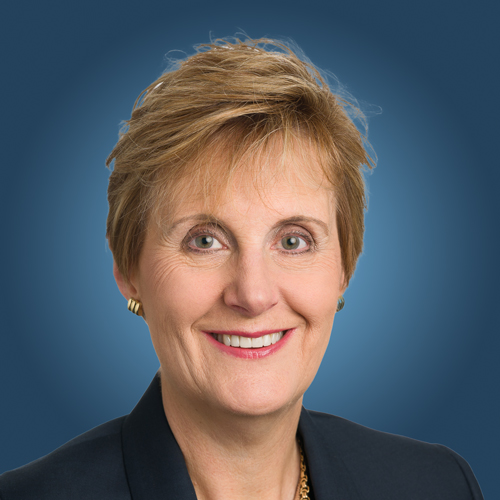
Julie Orr
Non-Executive Director, SAAFE CRC and Australian Ethical Investments Ltd
Read bio
Julie Orr (BEc, MCom, MCom(Hons), CA, GAICD, FGIA) is an accomplished company director with over 13 years of board experience across ASX listed, government, and non-listed boards. Her expertise spans investments, superannuation, financial planning, research, and the environment.
Julie serves as a Non-Executive Director and member of the Finance, Audit and Risk Committee at SAAFE Limited, Australia’s Cooperative Research Centre dedicated to tackling antimicrobial resistance. Through her role at SAAFE, Julie actively supports the protection of Australia’s food and agribusiness industries, as well as the natural environments in which they operate, from the escalating risks associated with AMR.
She also serves as a Non-Executive Director of ASX-listed Australian Ethical Investments Limited, where she is an active member of several committees, including the Investment Committee. In this capacity, Julie plays a key role in directing capital towards addressing critical issues such as climate change, the biodiversity crisis, and antimicrobial resistance, all while delivering investment returns that align with the organisation’s investment strategy and objectives.

David Paterson
ADVANCE-ID
(ADVANcing Clinical Evidence for Infectious Diseases)
Read bio
Professor Paterson directs ADVANCE-ID (ADVANcing Clinical Evidence for Infectious Diseases) at Saw Swee Hock School of Public Health and Yong Loo Lin School of Medicine at National University of Singapore. ADVANCE-ID is a clinical trials network comprising more than 100 hospitals across 20 countries in Asia. This network is jointly funded by the Wellcome Trust and a number of Singaporean institutions with an aim to conduct clinically important trials in the field of antimicrobial resistance (AMR).
This comprises trials of antibiotics, diagnostics and prevention strategies. He is also an Honorary Professor at the University of Queensland and has more than 600 peer-reviewed publications predominantly in the area of AMR. His research focuses on the molecular and clinical epidemiology of infections with antibiotic-resistant organisms, with the intent of translating knowledge into optimal prevention and treatment of these infections. Multi-country clinical trials are the major component of his research portfolio, and the predominant focus of ADVANCE-ID.

David Payne
Vice President and Head of Infectious Diseases Research, GSK
Read bio
David is Vice President and Head of Infectious Diseases Research at GSK, where he leads a team focused on pioneering novel approaches to cure hepatitis B (HBV), viral, and bacterial infections. He is also a non-Executive Board Member of ViiV Healthcare, the global specialist HIV company. Throughout his career, David has demonstrated a strong commitment to translating scientific innovation into impactful treatments and has successfully progressed multiple first in class ID medicines into clinical studies. David leads GSK’s £45m partnership with the Fleming Initiative, which harnesses new technologies & AI/ML to get ahead of AMR. He has championed the integration of public-private partnerships to tackle AMR and currently serves as the Principle Investigator of GSK’s BARDA (US HHS) contract. David has been an advisor to multiple government and non-government agencies on AMR strategies including contributing to President Obama’s report on AMR. He holds a PhD and DSc from The Medical School, University of Edinburgh, UK.

Jennifer Payne
Research Scientist, CSIRO
Read bio
Jenn is fascinated by the interplay between antibiotics, superbugs, and our immune system. With a passion for science communication and community engagement, you will often find Jenn involved in science outreach activities. When not in the lab, you will find her fostering greyhounds, or out exploring another hiking trail.
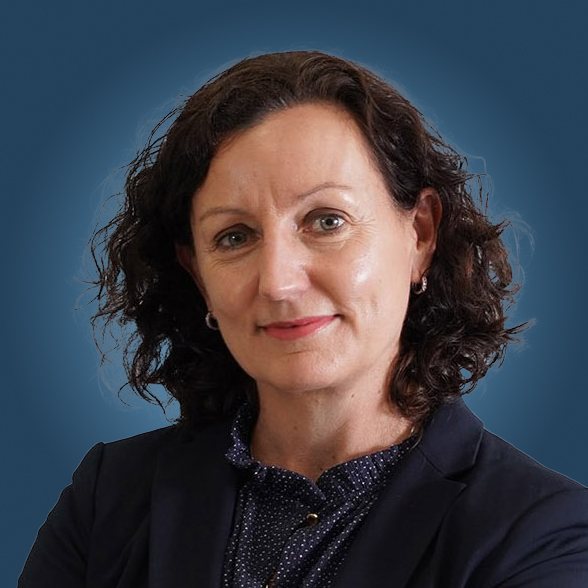
Laura Plant
Senior Director of External Affairs, European Regional Office of International Vaccine Institute
Read bio
Laura Plant, PhD, is the Senior Director of External Affairs at the European Regional Office of IVI, where she supports efforts to strengthen IVI’s presence and partnerships across Europe and focuses on vaccines as tools to prevent the emergence and spread of antimicrobial resistance (AMR). She joined IVI in 2023, bringing extensive experience in international research funding, science policy, and infectious disease research. Previously, Laura conducted bacterial infectious disease research at Karolinska Institutet and worked at the Swedish Research Council, where she led the scientific portfolio of the Joint Programming Initiative on AMR. She has represented Sweden in the Horizon Europe framework as National Contact Point for Health and Expert in ERA and Widening, and contributed to national and international AMR initiatives, including Sweden’s national AMR programme and the Global AMR R&D Hub. Laura holds a PhD in Microbiology and Immunology from the University of New South Wales, Australia.

Sujatha Raman
Director, CPAS, and UNESCO Chair-holder in Science Communication for the Public Good, ANU
Read bio
Professor Sujatha Raman is Director of the Australian National Centre for the Public Awareness of Science (CPAS) and UNESCO Chair-holder in Science Communication for the Public Good at the ANU. She is interested in how wide-ranging concerns of public interest can be brought to bear on specialised questions in research, innovation and governance through transdisciplinary collaboration and ECR mentorship. Spanning science and technology studies (STS), science communication and science-policy studies, her publications grapple with sustainability dilemmas that intersect antimicrobial resistance, energy and material transitions, and emerging technologies.

Jim Rothwell
Director, Biosecurity and Food Safety DPIRD
Read bio
Jim spent the first decade of his career working as a veterinary pathologist with the NSW Department of Primary Industries, followed by ten years at Elanco Animal Health researching livestock parasites and developing new parasiticides. He then joined the University of Queensland as a professor of veterinary pathology and infectious disease. In 2011, Jim moved into a program manager role at Meat & Livestock Australia before returning to NSW DPIRD as Director of the Elizabeth Macarthur Agricultural Institute, effectively bookending his career with the department. He is currently a part‑time program manager overseeing the development of mRNA vaccines for emergency animal diseases. Jim has authored numerous patents, book chapters, peer‑reviewed papers, and conference proceedings.
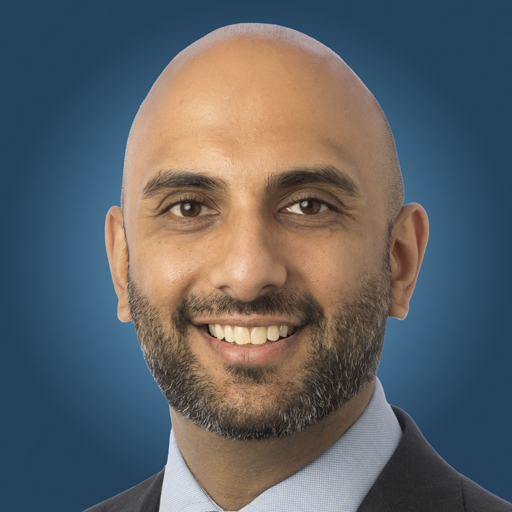
Akaash Sachdeva
Manager, Responsible Investment, HESTA
Read bio
Akaash is Manager, Responsible Investment at HESTA, where he has oversight of the active ownership program and leads climate change and health focused engagements. Prior to HESTA, Akaash was an ESG analyst for Regnan, a global leader in long term value, systemic risk analysis and responsible investment advisory. Akaash has also worked with the Monash Sustainability Institute. Akaash holds a Masters of Corporate Sustainability from Monash University and Bachelors of Commerce and Arts from Latrobe University.

Senjuti Saha
Deputy Executive Director, The Child Health Research Foundation
Read bio
Dr Senjuti Saha is the Deputy Executive Director of the Child Health Research Foundation (CHRF), Bangladesh, directing research on pediatric infectious diseases. After earning a PhD in Molecular Genetics at the University of Toronto and post doctoral fellowships at SickKids and Stanford, she joined CHRF in 2016 to establish a state of the art genomics centre. Her team conducts genomic surveillance, maps antimicrobial resistance, and tracks endemic and emerging viruses. Senjuti advises several WHO committees, publishes widely, serves on editorial boards, and has received several international honours. She advances equitable science through the ‘Building Scientists for Bangladesh’ program.

Taslimarif Saiyed
CEO and Director, C-CAMP
Read bio
Dr. Taslimarif Saiyed is the CEO and Director of C-CAMP from 2009 till present. His initial
training has been in neurosciences, where he received his PhD from Max-Planck Institute for
Brain Research, Germany from 2002-2006 and followed it up by postdoctoral training at
University of California San Francisco (UCSF) from 2006-2009. At the same time, he also
underwent training in management for Biotech and Innovation from QB3 at UC Santa Cruz,
UC Berkeley and UC San Francisco from 2007-2009. He has also completed a biotech
management program for biotech executives at Wharton School of Management in the year
In the Bay area, he served as a Management Consultant with QB3 New Biotech
Venture Consulting and in an individual capacity, he also consulted for many biotech firms in
the US.
Dr. Saiyed is an Adjunct Faculty at Indian Institute of Technology (IIT) Madras and also
Amrita Institute – School of Biotechnology since 2015. He also heads the Discovery to
Innovation Accelerator program at C-CAMP. He is actively involved in promoting innovation
in lifescience / healthcare by supporting translation of discoveries to application,
entrepreneurship and technology development.
Dr. Saiyed is also Co-chair of India AMR Innovation Hub (IAIH), a National Level Initiative
anchored at the Office of Principal Scientific Adviser, Govt. of India

Diah Saminarsih
Founder, Center for Indonesia’s Strategic Development Initiatives (CISDI)
Read bio
Diah S. Saminarsih is an influential Indonesian public health advocate and the founder of the
Center for Indonesia’s Strategic Development Initiatives (CISDI). She previously served as
Senior Advisor to the WHO Director-General on Gender and Youth, where she advanced youth engagement and gender equality across global health platforms.
Diah has held key roles in Indonesia’s health governance, including serving as Special Staff to the Minister of Health and as a co-negotiator for the Sustainable Development Goals (SDGs).
During her tenure with the Government of Indonesia, she contributed to the design of the
national health security framework, which positioned Indonesia as part of the initial troika of the Global Health Security Agenda initiative, alongside the United States and Finland.
Her work has received global recognition for promoting inclusive, people-centered health
systems. Diah currently serves as a Commissioner in The Lancet Global Health Commission on
People-Centered Care for Universal Health Coverage, and she is an Affiliate of Harvard Medical School. She is also the Dean of the Faculty of Psychology and Education at Universitas Harkat
Negeri in Tegal, Central Java, Indonesia.

Monika Schneider
Senior Director, Global Infectious Disease Policy, Shionogi
Read bio
Monika Schneider serves as the Senior Director of Global Infectious Disease Policy at Shionogi, where she leads global policy initiatives related to the development of anti-infectives and health security. Her work is dedicated to enhancing innovation in antimicrobial development and ensuring access in low- and middle-income countries. Prior to joining Shionogi, Monika held the position of Managing Associate at the Duke-Margolis Center for Health Policy, focusing on incentive mechanisms and payment reform models to stimulate development in areas with unmet medical needs. Earlier in her career, she was a Science Policy Analyst at the American Association of Immunologists, addressing policies impacting the biomedical research community. Monika holds a PhD in microbiology and immunology from the University of North Carolina at Chapel Hill and completed her post-doctoral training at the Sanford Burnham Prebys Medical Discovery Institute.

Nusrat Shafiq
Professor, Clinical Pharmacology Unit, Postgraduate Institute of Medical Education and Research, India
Read bio
Nusrat Shafiq is a professor in the Department of Pharmacology at the Postgraduate Institute of Medical Education and Research, Chandigarh, India which is a tertiary care, training and research centre. She is the convener of antimicrobial stewardship activities at the hospital affiliated with the institute and is involved in stewardship activities in the region.
Her group is involved in implementing various activities for rationalizing antimicrobial use taking into consideration practice settings of low- to middle-income countries (LMICs). In this context, the group standardizes methods and tools for enabling antimicrobial stewardship in resource-limited settings. Nusrat currently leads a group of healthcare institutes for antimicrobial stewardship as part of the Advanced Center of Clinical Pharmacology for Antimicrobial Stewardship. Her research interests include early translational clinical studies such as phase 1 trials, first in human studies and dose-optimization studies. Her research has a special focus on tuberculosis and diseases caused by multidrug-resistant pathogens. Nusrat has published several systematic reviews, has contributed to literature in research ethics and has authored several research articles and co-authored three books

Cecilia Mundaca Shah
Vice President of Global Health Strategy, United Nations Foundation
Read bio
Dr. Cecilia Mundaca Shah, Vice President of Global Health Strategy, is a recognized global health expert with extensive experience in health security, pandemic preparedness, and international health policy. With a career spanning leadership roles at the United Nations Foundation, National Academy of Medicine (NAM), and the G20 High-Level Independent Panel on Financing the Global Commons for Pandemic Preparedness and Response, she has been instrumental in shaping strategies for global health security, infectious disease surveillance, health systems strengthening, and the integration of displaced populations into global malaria programs.
At the UN Foundation, Dr. Shah leads policy and advocacy efforts across key global health priorities, including pandemic preparedness, antimicrobial resistance, immunization, and migrant health. She oversees high-level partnerships with UN organizations and global health initiatives, providing strategic leadership to advance global health goals. Previously, Dr. Shah directed key international initiatives at the NAM, including the Global Roadmap for Healthy Longevity, and served as special advisor to the NAM President during the COVID-19 pandemic. She has played a pivotal role in securing multi-million-dollar funding to support global health initiatives and foster cross-sector collaborations.
An accomplished speaker and writer, she has contributed to numerous policy publications and has represented her organizations at major global convenings. She is committed to fostering collective action in global health, strengthening partnerships across sectors, and driving impactful solutions that promote health equity worldwide.
Dr. Shah holds a Doctor of Public Health (DrPH) and Master of Public Health (MPH) from the Uniformed Services University of the Health Sciences, as well as a Medical Doctor (MD) degree from Universidad Nacional Mayor de San Marcos in Peru.
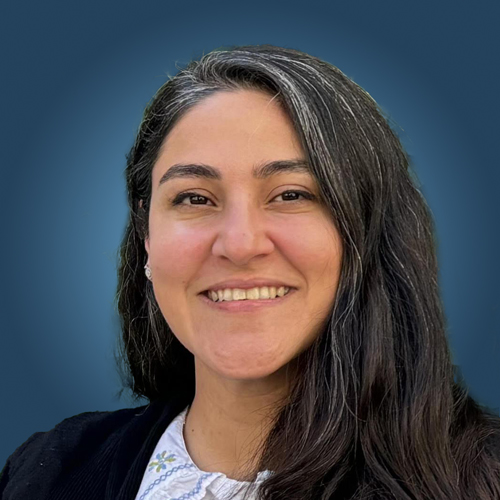
Nour Shamas
Infectious Diseases Clinical Pharmacist and Independent Antimicrobial Stewardship Consultant
Read bio
Dr. Nour Shamas is a Lebanese infectious diseases and antimicrobial stewardship (AMS) clinical pharmacist with an MSc in Global Health Policy from the London School of Hygiene & Tropical Medicine (LSHTM). She has worked across diverse healthcare settings in the USA, Saudi Arabia, and at the Pasteur Institute in Cambodia, with over eight years of experience leading hospital AMS programs. She has also worked with the World Health Organization (WHO) Regional Office for the Eastern Mediterranean to strengthen and scale up hospital AMS programmes and currently serves as an AMS consultant at WHO Headquarters in Geneva. Beyond her professional work, Dr. Shamas brings a personal perspective to global antimicrobial resistance efforts, having served on the WHO Task Force of AMR Survivors as a caregiver to her mother, a survivor of an antimicrobial-resistant infection. Her work bridges science, policy, and lived experience to champion equitable and human-centered solutions to AMR, and has been recognized through the AMR One Health Emerging Leaders & Outstanding Talents award of the 4th Global High Level Ministerial Conference held in Saudi Arabia in 2024.

John Shanks
Founder, Kraken Coding
Read bio
John Shanks is a dual-trained antimicrobial stewardship pharmacist and software developer working to modernise antimicrobial decision support across Australia. He established leading AMS programs at Royal Darwin Hospital and the NSW Far West Local Health District and created an open-source
antimicrobial stewardship platform that helped improve prescribing practice nationally. Building on
this foundation, he formally trained in software development and released Clinical Branches, a
commercial decision support platform designed to streamline guideline use and strengthen clinical
decision making.
Now deployed across more than fifty Australian and international hospitals, Clinical Branches is
undergoing registration to become Australia’s first TGA Class 2a-registered Bayesian AUC precision dosing calculator, coupling improved access to treatment guidelines with safer, data-driven
antimicrobial dosing at scale.

Malini Sivapragasam
Policy Advocacy Manager, Global Antibiotic Research & Development Partnership (GARDP)
Read bio
Malini Sivapragasam is a public-health and policy-advocacy professional with extensive experience in global health governance, access to treatments, and healthcare system strengthening. She has contributed to policy development and multi-sector engagement across international organisations, humanitarian contexts, and global health partnerships.
As Policy Advocacy Manager at the Global Antibiotic Research & Development Partnership (GARDP), Malini supports strategic policy engagement with governments, multilateral institutions, and industry stakeholders to advance global responses to antimicrobial resistance (AMR). She focuses on promoting evidence-based policy solutions and strengthening public–private collaboration to support equitable and sustainable access to essential antimicrobials.
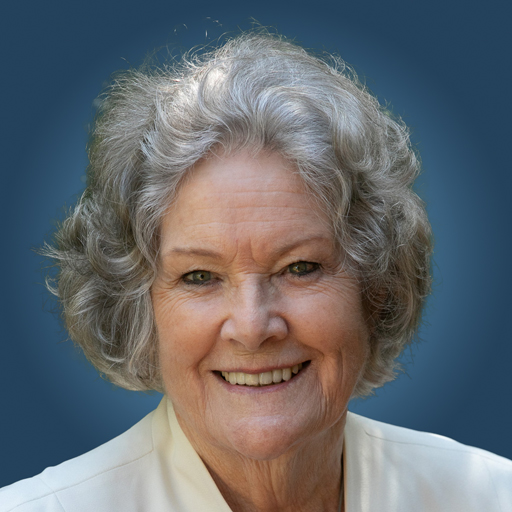
Hon. Jillian Skinner AM
Former Minister for Health of New South Wales
Read bio
The Hon Jillian Skinner AM is a distinguished figure in NSW healthcare, having served as Health Minister for six years, and previously as Shadow Health Minister for 14 years. She was the first stand-alone Minister for Medical Research in NSW. Prior to her election to the NSW Parliament, Jillian was the Executive Director of the New South Wales Office of Youth Affairs and has served on bodies such as the New South Wales Women’s Advisory Council and the New South Wales Youth Advisory Council as inaugural chair.
In those roles she led major reforms such as decentralising healthcare through Local Health Districts, enhancing infrastructure investment, boosting the health workforce and improving access to hospital care. She championed research, integrated care linking primary and tertiary services, community-based preventive programs, and social policy initiatives such as better pain management, improved palliative care and eliminating HIV transmission.
Recognised for her contributions, she has received honorary doctorates from Macquarie, Sydney, and UNSW, and was appointed a Member of the Order of Australia in 2024. With a career that began in journalism, Skinner has also run her own business, worked in the public sector, and remains actively involved in health-related activities.
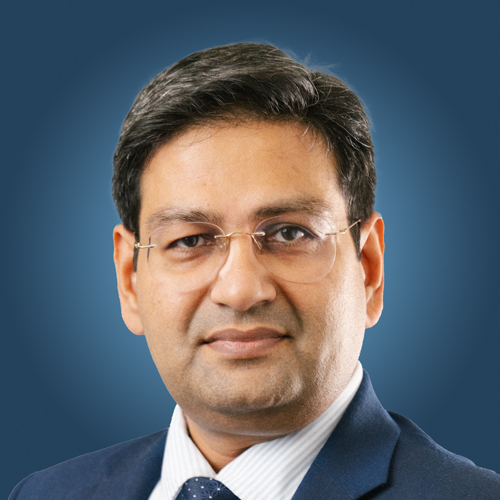
Rahul Srivastava
Public-Private Partnership Programme Manager,
Capacity Building Department, WOAH
Read bio
Dr Rahul Srivastava is the PPP Programme Manager in the Capacity Building Department at WOAH Headquarters in Paris. He supports the strengthening of Veterinary Services worldwide by advancing public–private engagement to improve animal health, animal welfare, and the safe trade of animals and animal products. Rahul facilitates structured dialogue and collaboration with public and private stakeholders at national, regional, and global levels, promoting the value and demonstrated impact of Public–Private Partnerships in the Veterinary Domain.
He holds a Master’s degree in Veterinary Medicine and an MBA in Agribusiness, and brings more than 18 years of experience across government, the veterinary pharmaceuticals and biologicals industry, and the international development sector. His work includes improving vaccine supply chains in resource-constrained settings and supporting innovation across veterinary and agricultural systems. Combining technical expertise with commercial insight, Rahul contributes to advancing effective, sustainable, and collaborative approaches to One Health and veterinary capacity building.

Ben Stapley
CEO, Animal Medicines Australia
Read bio
Ben Stapley is Chief Executive Officer of Animal Medicines Australia, the peak industry association for innovations, manufacturers, importers and registrants of animal health products.
As CEO of Animal Medicines Australia, Ben works to shape an operating environment that enable an Australian community to embrace the benefits of animal care and animal health. He remains committed to innovative and viable solutions to current challenges. As CEO he has worked to promote the responsible and sustainable use of antimicrobials and advocates to reduce the need for antimicrobials through vaccination, hygiene, genetics, improved diagnostics and nutrition.
Ben specialises in building mutually beneficial approaches with partners to respond to emerging issues and challenges across the animal health sector. He has a strong background in advocacy, representation, policy development and media engagement, with extensive experience in the interconnectivity between chemistry, risk, policy and agriculture.
Ben has been the Australia and New Zealand appointed director for the global animal health industry organisation, HealthforAnimals, since 2016.
Ben holds tertiary qualifications in Architecture and Law and is a graduate of the Australian Institute of Company Directors.

Brett Sutton AO
Research Unit Director,
Health and Biosecurity, CSIRO
Read bio
Professor Brett Sutton is a Director at CSIRO, Australia’s national science agency, leading the Health & Biosecurity Research Unit, comprising over 350 researchers and support staff in areas of digital health, human health and plant, animal and environmental biosecurity.
A qualified public health physician, he brings extensive experience and clinical expertise in public health and communicable diseases, developed through roles in government, emergency medicine, and international fieldwork.
Before joining CSIRO, Brett served as Victoria’s Chief Health Officer and Chief Human Biosecurity Officer, heading the Health Protection Branch within the Victorian Department of Health.
With specialist knowledge in tropical medicine and infectious diseases, Brett has worked extensively in lower-middle-income countries and complex humanitarian settings, including in Afghanistan, Ethiopia, Kenya, Timor-Leste, and Fiji.
Professor Sutton is a Fellow of the Royal Society for Public Health, a Fellow of the Australasian College of Tropical Medicine, and a Fellow of the Australasian Faculty of Public Health Medicine (AFPHM). He is also a member of the Faculty of Travel Medicine.
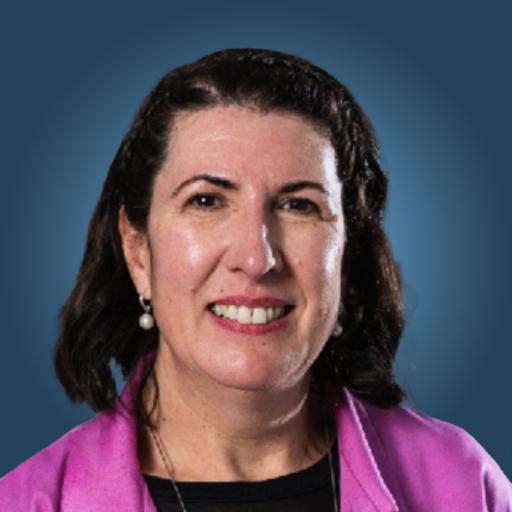
Paula Taylor
President, Australian Science Teachers Association
Read bio
Paula Taylor is the recipient of the 2025 Prime Ministers’ Prize for Science Teaching and the President of the Australian Science Teachers Association. Paula has a BMLSc, BEd, and MEd from Canada which has led to 30 years of exemplary classroom teaching in Science from K to 12. She is a system-wide leader in STEM education in the ACT where she supports and coaches educators to plan and deliver authentic STEM programs that align with Australia’s priority areas. Paula is an advocate of developing scientific literacy skills to benefit all citizens to engage meaningfully and intelligently on matters that affect them.

Joshua Toomey
Community Engagement and Educator
Read bio
Josh Toomey is a proud Wiradjuri man from Dubbo in central-western NSW.
His passion has always been to help support the wider community to break free from active addiction of alcohol other drugs and encourage those to reach their full potential.
Josh’s goal will always be to help Aboriginal people transform their lives through positive and sustainable change, support the wider community and encourage those to reach their full potential.
From completing high school with poor numeracy and literacy skills, Josh has faced many battles, some of his own doing but through this he has always approached life head on and strived to become a better person and role model.
Josh’s passion for developing others is reflected in his personal goal to be a leader and stand up for positive change. Through his actions, he believes this is achievable. He is committed to continuing his mission to motivate other Indigenous Australians into empowering their lives as a means of creating positive experiences within our communities.
With his strong communication skills, witty storytelling, support network, self-determination, and ability to motivate and encourage others, Josh has transformed his own life and through power of example the lives of many other young Aboriginal people from disadvantaged educational and social backgrounds.

Karin Thursky
Director, National Centre for Antimicrobial Stewardship
Read bio
Professor Karin Thursky (MBBS, BSc, MD, FRACP, FAHMS, FAIDH) is an infectious diseases physician and health services researcher who has over 25 years’ experience in the fields of antimicrobial stewardship, digital health and infections in cancer. She has successfully implemented and scaled programs to improve the quality and safety of healthcare and has influenced national policy and practice in AMS.
At the Peter MacCallum Cancer Hospital, Professor Thursky is the founding director of the Centre for Health Services Research in Cancer. In her role at the Doherty Institute, she leads the National Centre for Antimicrobial Stewardship which takes a One Health approach to AMS across all human and animal health sectors. She is also the Director of the Royal Melbourne Hospital Guidance Group which develops information technology to support antimicrobial stewardship including the National Antimicrobial Prescribing Survey platform which is a key contributor to the Australian CDC AMR strategy.
Thanawat Tiensin
Assistant Director-General, Chief Veterinarian, and Director of the Animal Production and Health Division, FAO
Read bio
Dr. Thanawat Tiensin is the Assistant Director-General, Chief Veterinarian, and Director of the Animal Production and Health Division at FAO, leading global efforts on animal health, production, and One Health. He previously served as Minister (Agriculture) and Thailand’s Permanent Representative to the UN Agencies in Rome (2018-2022) and chaired key FAO bodies, including the Committee on World Food Security. With extensive experience in international livestock policy, food security, and zoonotic disease prevention, apart from FAO, he has worked with key international agencies like IAEA, EU, ADB, and WOAH to strengthen One Health approaches across multiple countries.

Amanda Vrselja
Program Head, CUREator
Read bio
Dr Amanda Vrselja is Program Head of CUREator, Australia’s leading life sciences incubator. Delivered by Brandon BioCatalyst, CUREator is designed to accelerate research translation and commercialisation by bridging the gap between research and investment readiness for the next generation of Australian medical innovations and biotech start-ups. She joined the program as a part of the founding team in 2021. Previously, Amanda was a Clinical Scientist at QUE Oncology, a venture-backed clinical stage company developing treatments for women experiencing hot flashes associated with hormonal cancer therapy. She was involved in the corporate development and strategy, and managed clinical and research and development program activities, including the delivery of a global phase 2 clinical program. Amanda holds a PhD in Developmental Biology from Monash University.
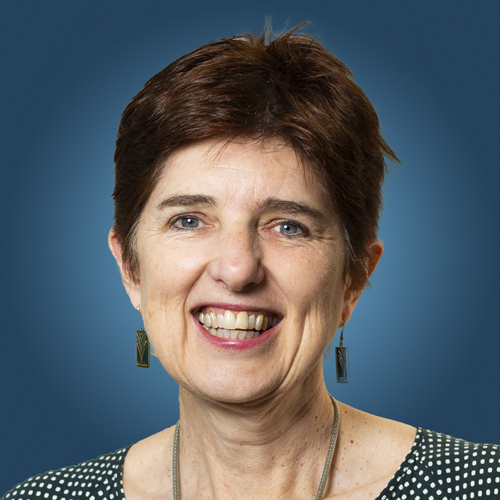
Robyn Ward AM
Deputy Vice-Chancellor (Research and Enterprise), Senior Vice-President, Monash University
Read bio
Professor Robyn Ward is Deputy Vice-Chancellor (Research and Enterprise) and Senior Vice-President at Monash University. She was previously the Executive Dean and Pro-Vice Chancellor of the Faculty of Medicine and Health at the University of Sydney. Prof Ward chairs the Pharmaceutical Benefits Advisory Committee (PBAC) and was the chair of the Commonwealth Medical Services Advisory Committee (MSAC) from 2009 -2024.

Evelyn Wesangula
Senior AMR Control Specialist, East, Central and Southern Africa Health Community
Read bio
Evelyn is a pharmacist and Senior AMR Control Specialist with the East, Central and Southern Africa Health Community in Tanzania, leading regional efforts to strengthen infection prevention and national AMR strategies. Formerly Kenya’s National AMR Focal Point, she helped develop and implement the country’s first National Action Plan and established a pioneering multi-sectoral AMR committee that became a model across Africa. A Fleming Fund Fellow and co-producer of the award-winning documentary Silent Pandemic, Evelyn combines scientific expertise, policy leadership, and mentorship to empower frontline professionals in the fight against AMR.

Phoebe Williams
Associate Professor, Faculty of Medicine, University of Sydney
Read bio
Phoebe is a paediatrician, infectious diseases physician, and an Associate Professor within the Faculty of Medicine, University of Sydney, Australia. She works as a clinician at Sydney Children’s Hospital Network and within the policy group of the National Centre for Immunisation and Research Surveillance [NCIRS]. Phoebe completed her DPhil as a Nuffield Department of Medicine scholar within the Oxford Tropical Medicine network in Kilifi, Kenya; focussed on antimicrobial resistance (AMR) in children. She is currently an NHMRC Fellow with a large research team working to address AMR in neonatal sepsis, particularly within resource-constrained settings across Southeast Asia. Phoebe is the coordinating principal investigator of the NeoSEAP collaboration (www.neoseap.com) and is appointed to The WHO Paediatric Antibiotic Development Program (PADO) & Research Agenda into AMR on Human Health. She leads a number of clinical trials in paediatric infectious diseases across Australia and the region aiming to reduce the infectious diseases burden responsible for significant infant and child mortality.
Teresa Wozniak
Research Team Leader and Principal Scientist, Australian e-Health Research Centre, CSIRO
Read bio
A/ Prof Teresa Wozniak works across population health and health informatics. She has cross-sector experience working in government, not-for-profit and academia.
Teresa established the AMR disease surveillance program, HOTspots and the associated digital platform deployed into clinical settings as an interactive and secure disease surveillance system that provides ongoing automated synthesis of AMR across community clinics and hospitals in Australia. These data are accurate for local needs, up-to-date and readily available at point of care, which is particularly important in regional Australia.
A/Prof Wozniak has a diverse portfolio of both quantitative research and research that is policy relevant. She works across population health and health informatics and has cross-sector experience working in government, not-for-profit and academia. She is the Principal Research Scientist at CSIRO – Australia’s National Science Agency.

Mo Yin
Co-Director, ADVANCE-ID
Read bio
Dr Mo Yin is an Infectious Diseases physician and a clinician scientist based at the National University Hospital, Singapore. Her research interest is in antimicrobial resistance and emerging infectious diseases. Driven by the ideal of using quality clinical research to improve patient outcomes and propel global policies, Dr Mo Yin designs and leads large multinational clinical trials which focus on pragmatic clinical solutions. In addition, Dr Mo Yin has expertise in mathematical modelling, statistics, bioinformatics and qualitative research.
She is the codirector of the ADVANCE-ID, a large clinical trial network consisting of over 100 hospitals globally. She has received numerous awards for her achievements in clinical care, research and teaching, and served as an external consultant to the World Health Organisation. Dr Mo Yin obtained her MBBS from the National University of Singapore and DPhil from the University of Oxford.
Yong-Guan Zhu
Director General, Research Center for Eco-environmental Sciences, Chinese Academy of Sciences
Read bio
Professor Yongguan (Yong-Guan) Zhu, Academician of the Chinese Academy of Sciences (CAS), Fellow of TWAS (The World Academy of Sciences), Fellow of International Science Council (ISC), professor of environmental science and health. He is currently the Director General, Research Center for Eco-environmental Sciences, CAS; and Vice President of ISC (from Jan 2025). Between 2007-2020, he served as the deputy director and then director general of the Institute of Urban Environment, CAS. He has been working on environmental health and wellbeing related to pollution and food safety, soil biodiversity and microbial ecology. He obtained his PhD from Imperial College, London in 1998. He was a scientific committee member for ISC program on Human Health and Wellbeing in Changing Urban Environment, and was a member of the Committee of Science Planning of ISC. He served for nine years as a member of Standing Advisory Group for Nuclear Application, International Atomic Energy Agency (2004-2012). In the last 15 years or so, Prof Zhu has been providing advice to various UN agencies, such as FAO/WHO on arsenic in rice; FAO/WHO/UNEP/OIE (quadripartite coordination) on antimicrobial resistance in the environment and food. He has received many merit awards, including TWAS Award for Agricultural Science 2013, National Natural Science Award 2009 & 2023, International Union of Soil Science von Liebig Award 2022. He publishes widely in international journals with an H-index of 136 (Web of Science), and has been selected as a Web of Science Highly Cited Researcher (2016-2024).