Sydney’s Moment to Turn AMR Promises into Actions
By Professor Branwen Morgan, Director, AMR Strategic Initiatives and Partnerships, CSIRO and
Professor Alison Holmes, Director, Fleming Initiative, Imperial College London.
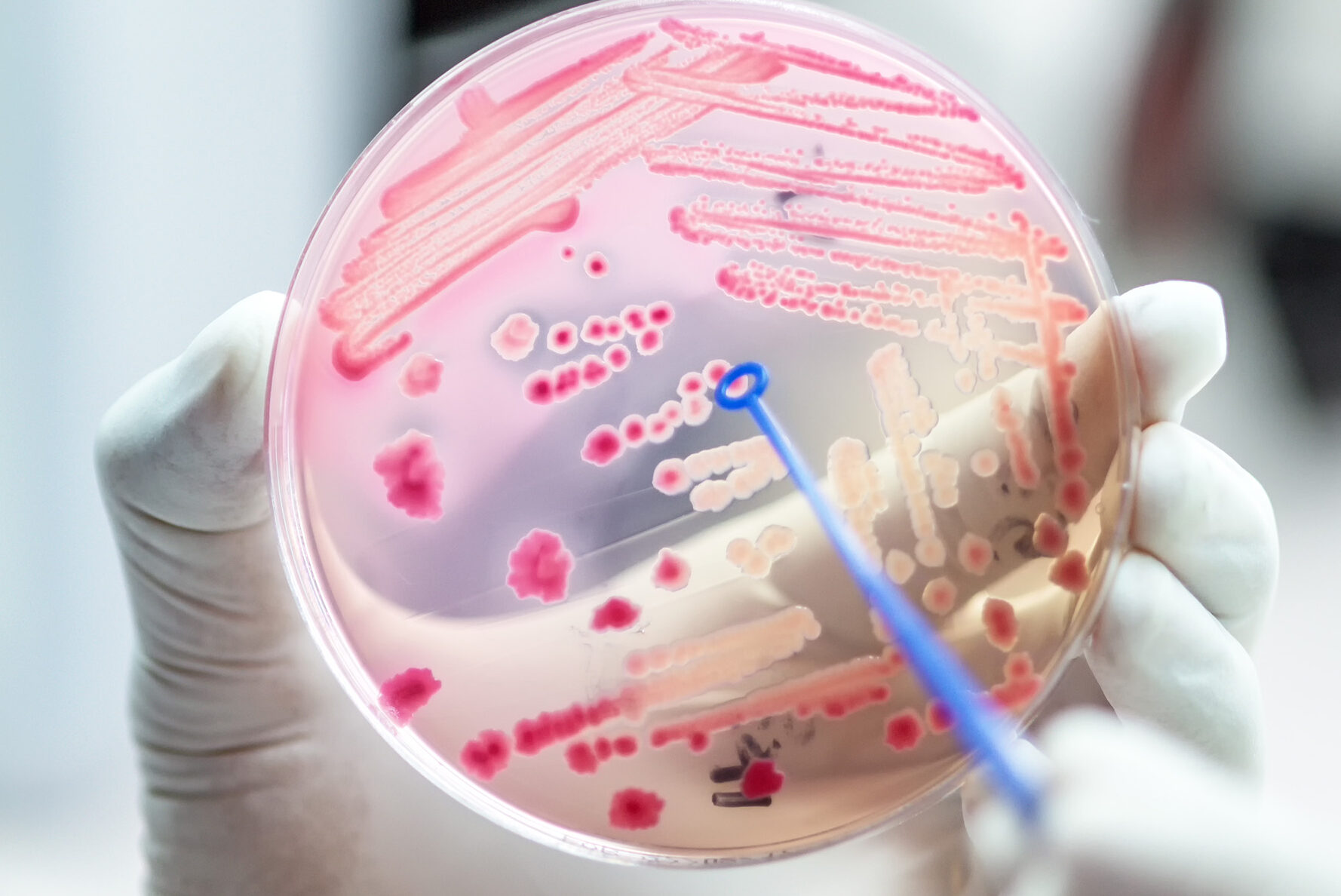
AMR is among the world’s greatest health threats. Photo: AdobeStock
This week, Sydney becomes the epicentre of a global effort to tackle one of the most complex and consequential health threats of our time. As more than 200 invited leaders and influencers gather for the AMR 2026 Summit, their task is not to just consider the current devastation and scale of the problem of antimicrobial resistance (AMR) but to take shared ownership of its solutions.
AMR is sometimes described as a slow-moving pandemic; in reality, it is accelerating; quietly eroding our ability to treat infections in humans, animals, and the food systems that sustain us.
It’s not enough to declare that AMR is among the world’s greatest health threats. Nor does it make sense to pin our hopes solely on developing more antibiotics or antifungals. All new agents have a limited effective lifespan as microbes develop new ways to resist them. Science alone won’t save us if the systems in which we use these medicines remain fragile, fragmented, or inequitable.
And it won’t be enough to walk away from Sydney this week with a list of good intentions but no plan for what happens next. What matters now is accountability: who does what, where, and when.
Australia has a distinctive role to play in tackling drug-resistant infections, yet too often it sits at the edge of the global conversation. This Sydney summit aims to change that by bringing regional voices together to evaluate and elevate shared priorities with Northern nations. At the same time, every government must decide which threats pose the greatest risk to their people and animals, and those choices must be guided by evidence that is comparable across countries.
Building shared surveillance infrastructure and strengthening regional preventive and response capacity are essential for reliable, usable evidence and enabling international learning.
The summit, co-hosted by our organisations, CSIRO and the Fleming Initiative, draws its inspiration from the 2024 UN Political Declaration on AMR but puts financing and prevention front and centre. It’s a deliberately different kind of meeting, not about the exchanging the latest research results and the publishing of scientific papers but about mobilising partners and growing the next generation of AMR leaders.
AMR doesn’t lack awareness or ambition; it lacks sustained funding and shared accountability. That’s why attracting investment from both public and private sectors is essential.
AMR sits at the intersection of human health, animal health, environment, and trade. Photo: AdobeStock
Preventing infections through vaccines, better sanitation, clean water and hygiene, resilient supply chains and stronger animal health has always offered the highest return on investment. The world has simply failed to reward it accordingly.
Systems thinking must now take the place of siloed problem solving. AMR sits at the intersection of human health, animal health, environment, and trade. It will not be fixed by any one ministry, laboratory, or livestock producer. It requires the kind of cooperation that prioritises prevention over reaction, transparency over defensiveness, and long-term health security over short term cost savings.
Nearly a century ago, Australian scientist Howard Florey helped transform Alexander Fleming’s discovery of penicillin into the world’s first mass-produced antibiotic — a breakthrough that changed the course of medicine. Today, history calls on us to do something equally ambitious: not to chase evermore powerful ‘superdrugs’ for ‘superbugs,’ but to pull out all the stops to preserve the ones we still have. That starts by turning this week’s Sydney commitments into lasting, measurable action — because the longer we wait, the fewer options the world will have left.