Participants
Welcome! It’s early days and this page is still in the works. Participant information will be added as invitees continue to opt in over the coming months.
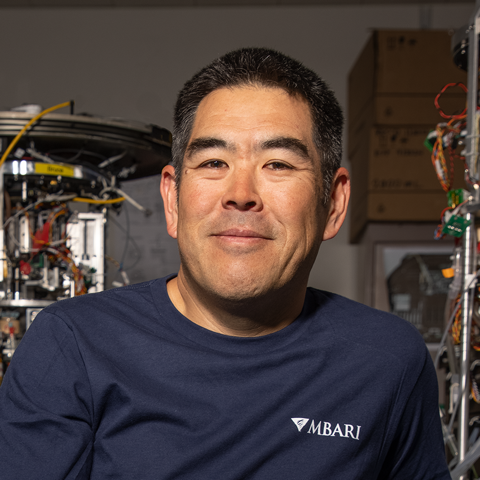
Kevan Yamahara
As an environmental engineer and scientist, I collaborate with researchers, technologists, and industry partners to accelerate the development and deployment of omics-based tools for environmental monitoring. My work integrates engineering design with molecular methods such as eDNA and eRNA analysis to enable scalable, in-situ assessment of biodiversity and ecosystem change.
Monterey Bay Aquarium Research Institute
Bio
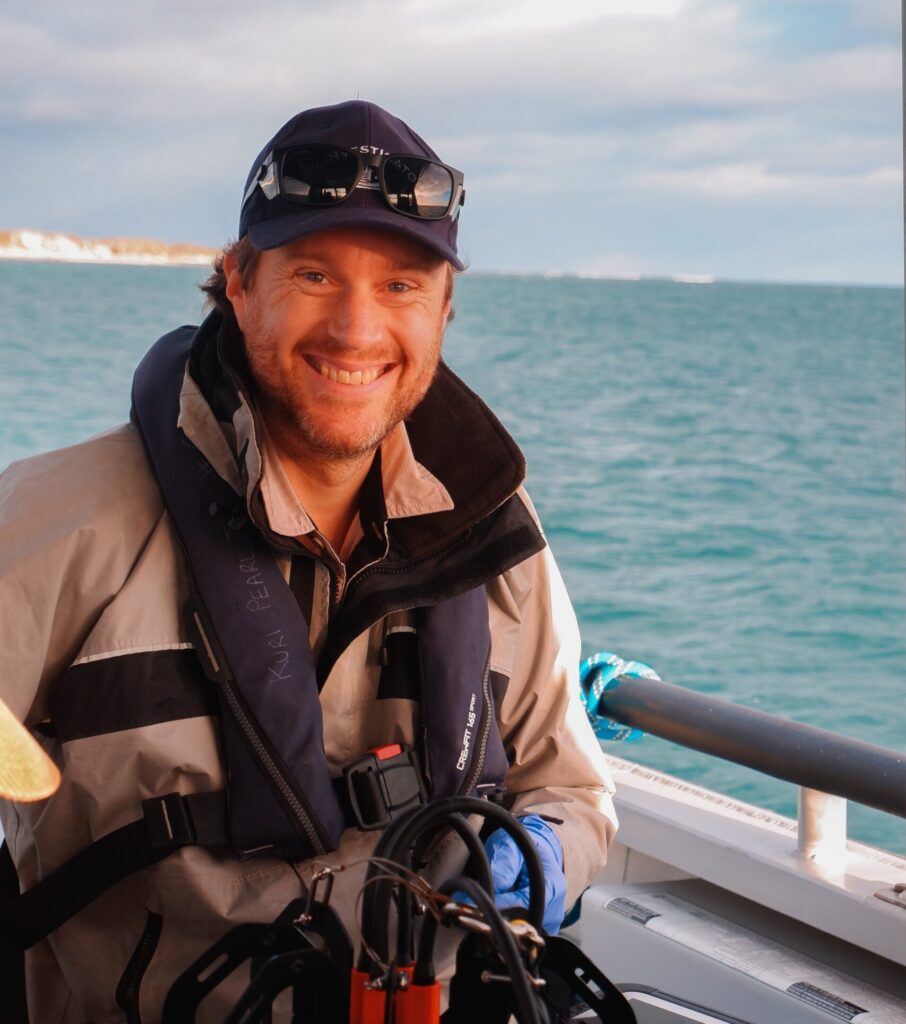
Eric Raes
I am a marine ecologist who works on showcasing how genomic tools can be scaled and integrated in the day-to-day operations of conservation and fisheries managers to enable rapid and robust monitoring of ocean health. I am passionate about operationalizing field work, democratizing science and capacity building in and around the Indian Ocean rim.
Minderoo Foundation
Bio
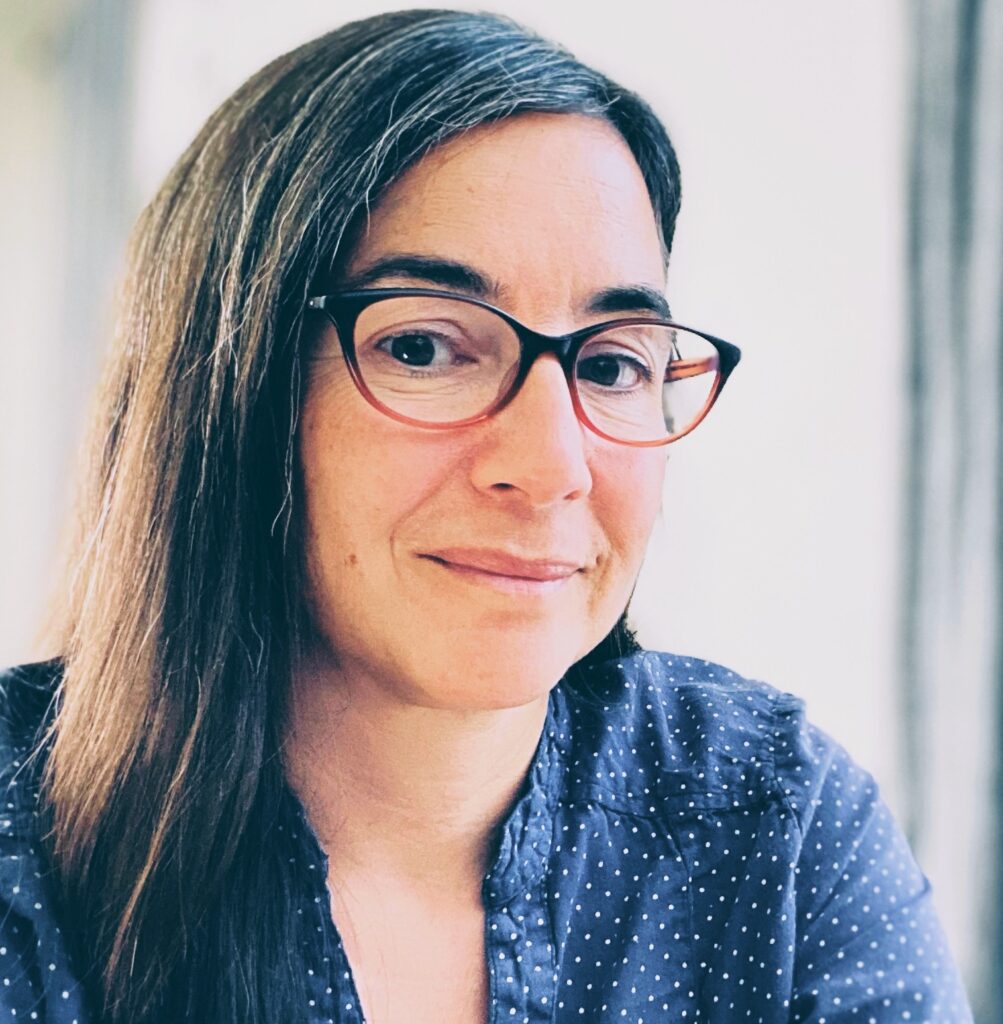
Elif Demir-Hilton
Oceankind

Jodie Van De Kamp
Commonwealth Scientific and Industrial Research Organisation
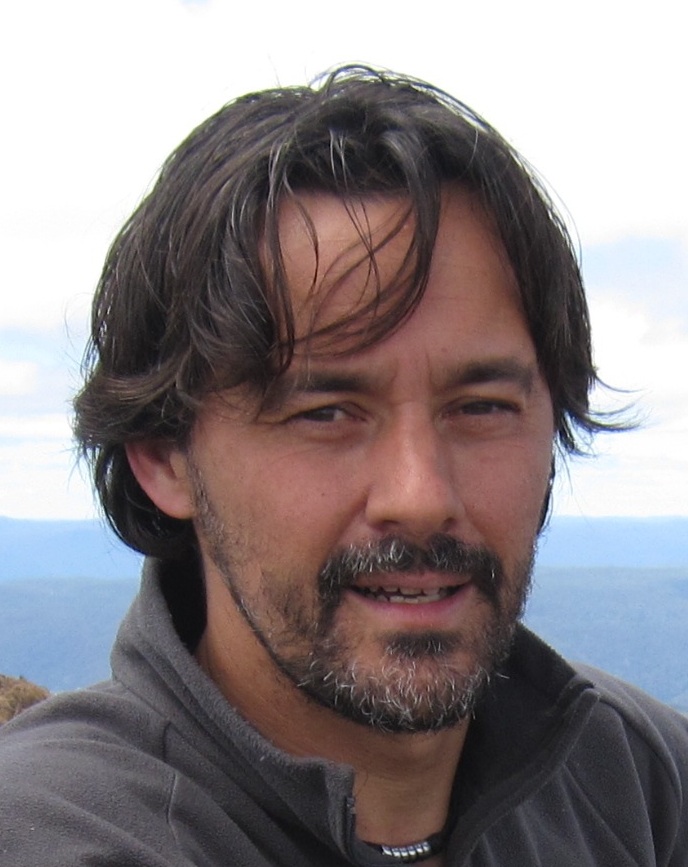
Levente Bodrossy
Commonwealth Scientific and Industrial Research Organisation
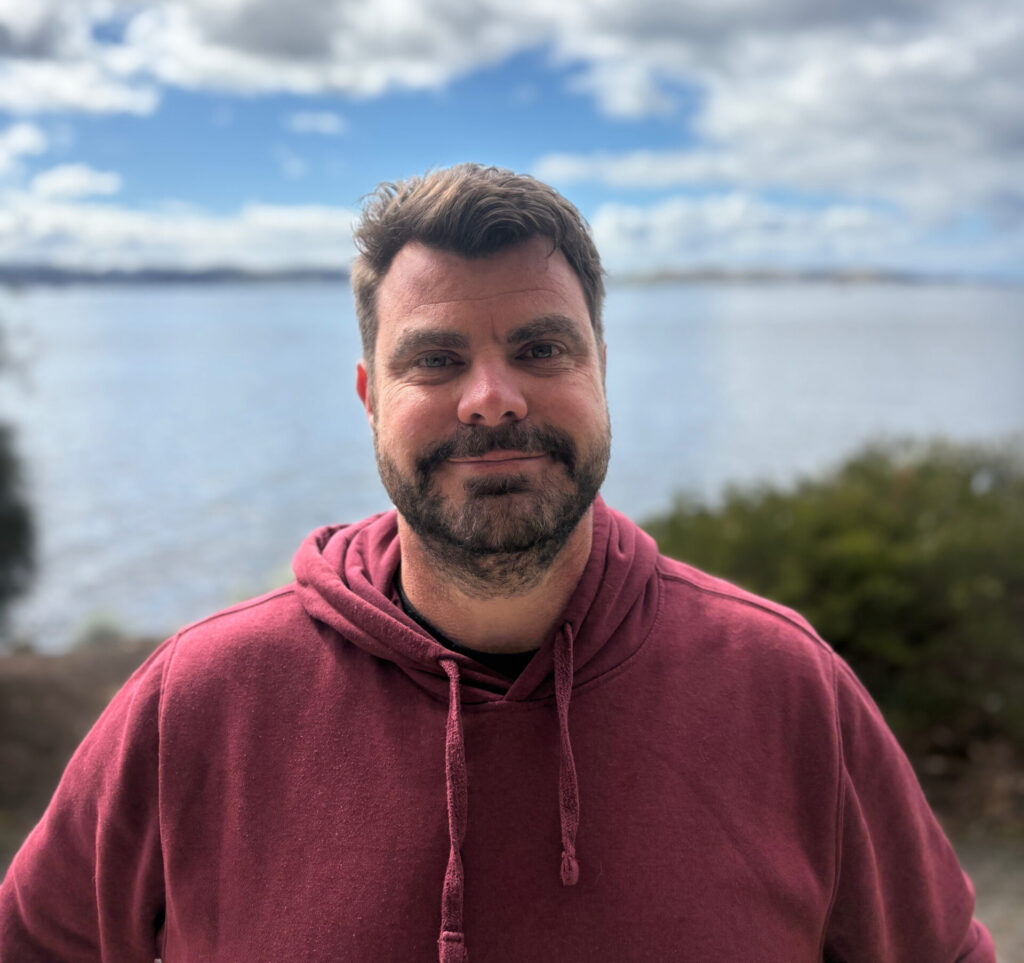
Pascal Craw
Pascal (Pac) Craw is a marine molecular biologist with CSIRO Environment in Hobart, Australia. His research focuses on developing and applying genomic technologies and instrumentation, such as automated tools for environmental DNA (eDNA) collection, to enable high-resolution marine monitoring. He leads projects that integrate genomics, instrumentation, data science, and modelling to enhance ocean observations across biodiversity monitoring, environmental impact assessment, aquaculture operations, and biosecurity. In addition to his research, Pascal is committed to building genomics training capacity in the Global South, where emerging molecular and analytical techniques can empower scientists and strengthen regional ocean monitoring and management.
Commonwealth Scientific and Industrial Research Organisation
Bio

Laura Baseggio
I am a molecular biologist in CSIRO, Hobart. My research focuses on developing and applying novel environmental DNA (eDNA) genomic techniques to monitor biodiversity and health in the aquatic environment. Our worker collaboratively with engineers and model to create integrated approaches that combined economic instrumentation and ecosystem modelling to support high resolution environmental monitoring
Commonwealth Scientific and Industrial Research Organisation
Bio
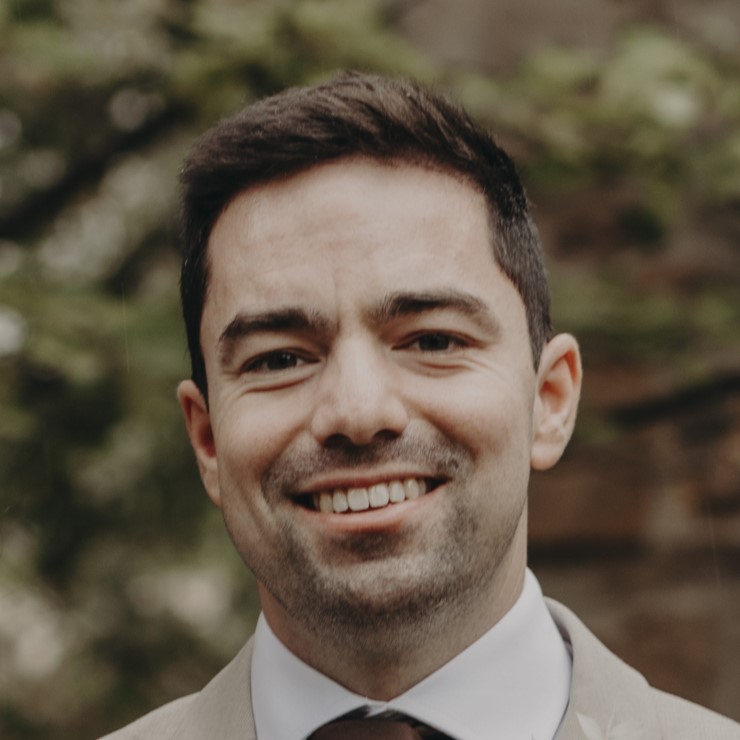
Lachlan Moscatt
Lachie is a Research Engineer at CSIRO’s Environment Research Unit, based in Hobart, Tasmania. He specialises in electronics engineering and has experience across a broad spectrum of technical domains, including low-power embedded design, signal analysis, sensor integration, wireless communications, and firmware development. He has applied his expertise across diverse industries, particularly in remote and challenging environments, spanning both oceanographic and land-based settings.
Since joining the CSIRO, Lachie has focused primarily on ocean-based environmental sensing, automated sampling, and underwater acoustics, contributing to innovative technologies for monitoring and understanding complex marine ecosystems.
Commonwealth Scientific and Industrial Research Organisation
Bio
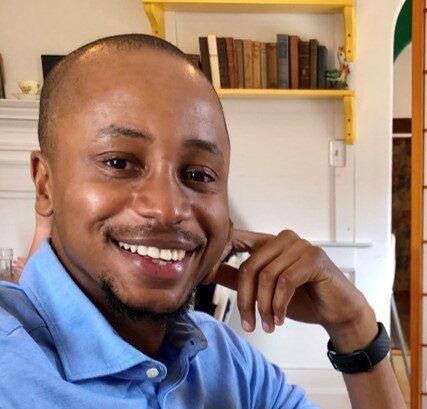
Debany Fonseca Pereira Batista
Originally from Guinea-Bissau and Cabo Verde, Debany is a Marine Biogeochemist by training, now based as a Research Associate at the CERC laboratory at Dalhousie University in Halifax, Nova Scotia, Canada. Debany is also the Executive Director at “Development of Ocean Technical Capacity with African Nations – DOTCAN” Institute. DOTCAN is a nonprofit organization with the objective to leverage the Blue Economy space, with a focus on emerging ocean technologies, as a platform to promote sustainable livelihoods and healthy oceans by co-developing and co-implementing awareness raising, training and education, entrepreneurship, business and trade initiatives mutually beneficial to Canada and West African nations.
DOTCAN Institute – Dalhousie University
Bio
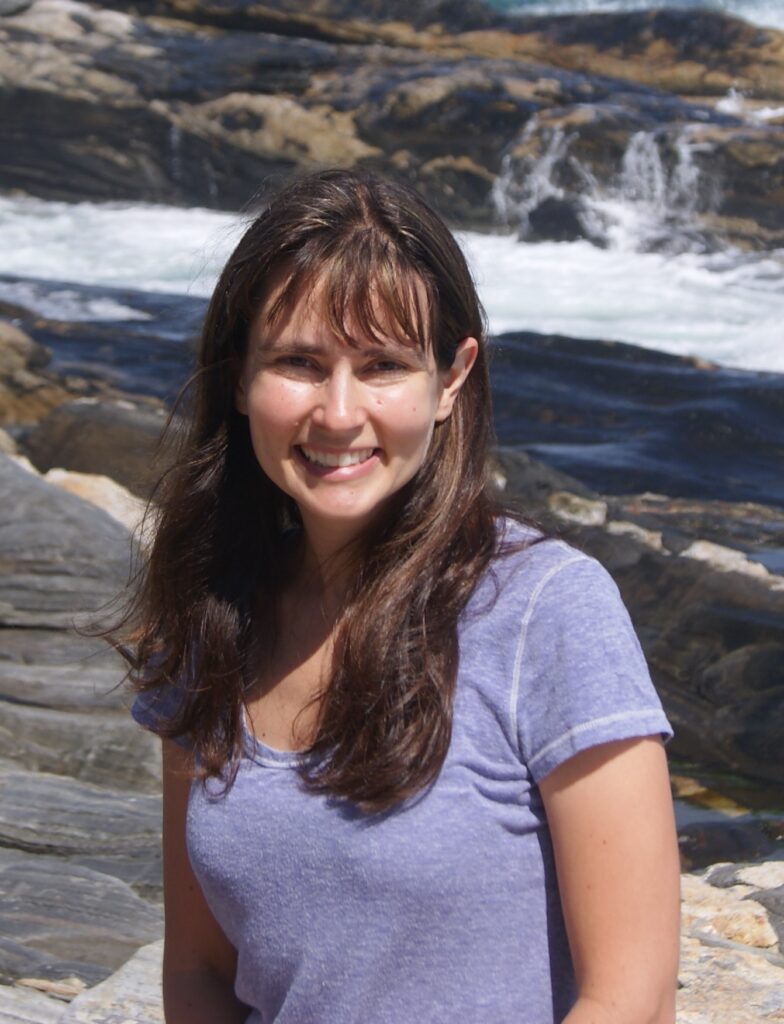
Annette Govindarajan
Woods Hole Oceanographic Institution
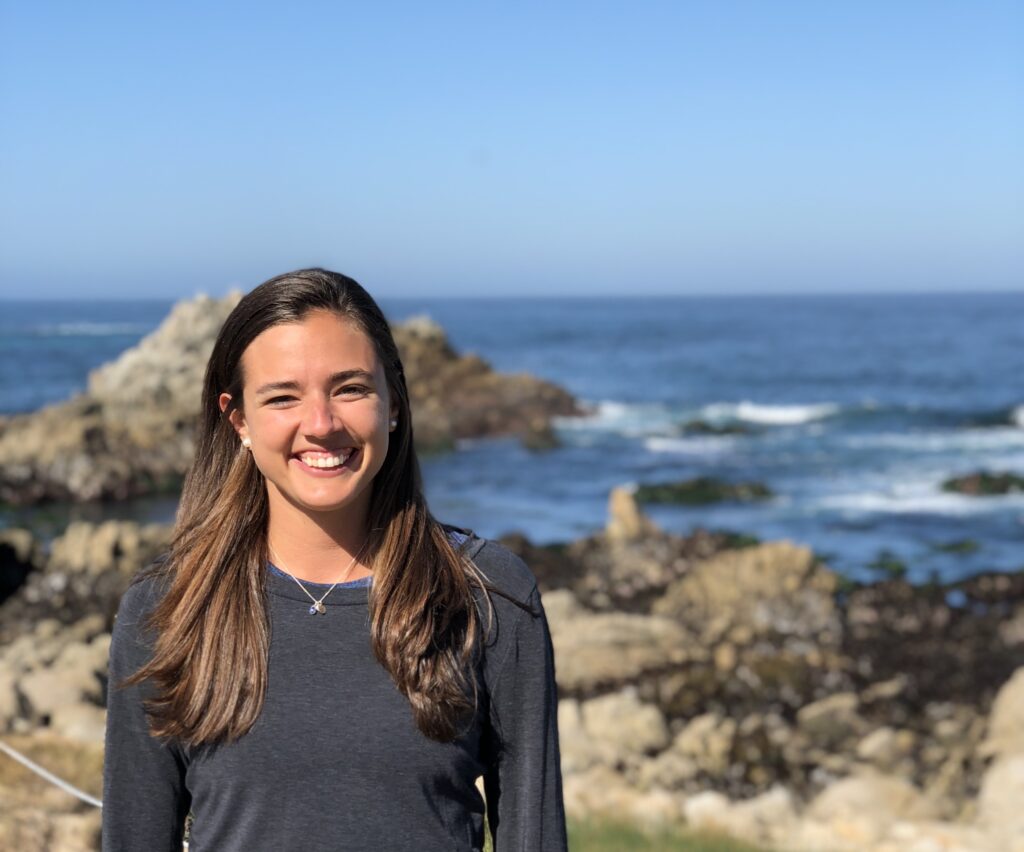
Elizabeth Allan
University of Washington & eDNA Collaborative
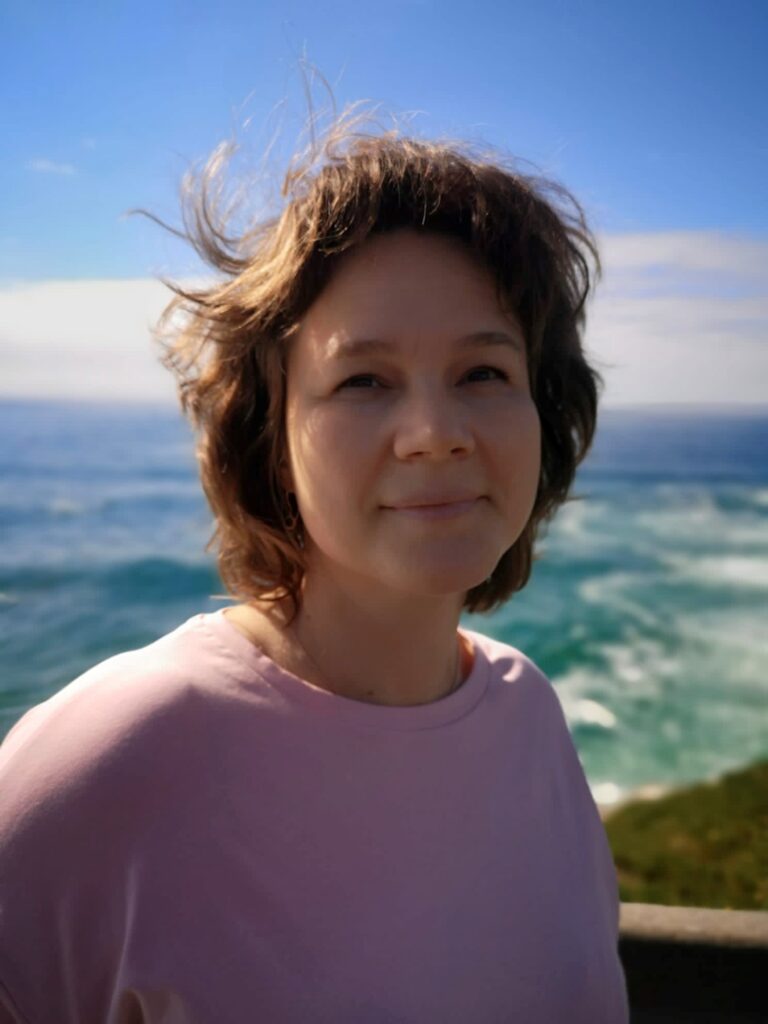
Anastasija Zaiko
Dr. Anastasija Zaiko is an aquatic ecologist with expertise in environmental DNA (eDNA), which she has applied in research and monitoring since 2012. She is the President of the Southern eDNA Society (SeDNAs) and Co-Founder of Sequench, where she leads the development of scientifically robust, user-friendly, and cost-effective tools for optimized eDNA sampling, alongside delivering high-quality eDNA analytical services for a wide range of end-users. Her work focuses on bridging science and application to advance biodiversity monitoring and aquatic biosecurity.
Sequench
Bio
Andrew Filisetti
Andrew Filisetti is a mechanical engineer at CSIRO, working at the intersection of autonomous systems and sensor development for environmental monitoring. He leads the Sensor Prototyping Hub within the Autonomous Sensors Future Science Platform, focusing on in situ technologies to support biodiversity and ocean research.
Commonwealth Scientific and Industrial Research Organisation
Bio
Xavier Pochon
Originally from Switzerland, Xavier is a marine biologist with over 25 years of research experience across the Indo-Pacific. He leads the Molecular Surveillance Team at the Cawthron Institute and is the Science Lead of Citizens of the Sea, New Zealand. His work bridges coral symbioses, aquatic ecology, biosecurity, and molecular biomonitoring. Since moving to New Zealand in 2012, he has led pioneering research on environmental DNA (eDNA) to assess biodiversity and ocean health. A founding member of Citizens of the Sea, Xavier brings scientific leadership and infectious curiosity to the mission of making ocean data accessible to all.
Cawthron Institute & Citizens of the Sea
Bio
Jack Waller
Jack Waller is an early career mechanical engineer at CSIRO and based in Hobart. He is part of a team developing a diverse range of environmental sensors and sensor systems. His primary focus is in the development systems to support marine science. This includes the design and development of eDNA sampling systems for use on crewed and uncrewed vessels.
Commonwealth Scientific and Industrial Research Organisation
Bio
Peter Thielen
Peter is a Principal Scientist at Johns Hopkins APL, where his research focuses on advancing DNA and RNA sequencing technologies to support operational decision making. His work spans pathogen and environmental monitoring domains, with a focus on translating basic research observations, refined molecular analysis capabilities, and integrated bioinformatics solutions to enable rapid genetic data availability.
Johns Hopkins APL
Bio
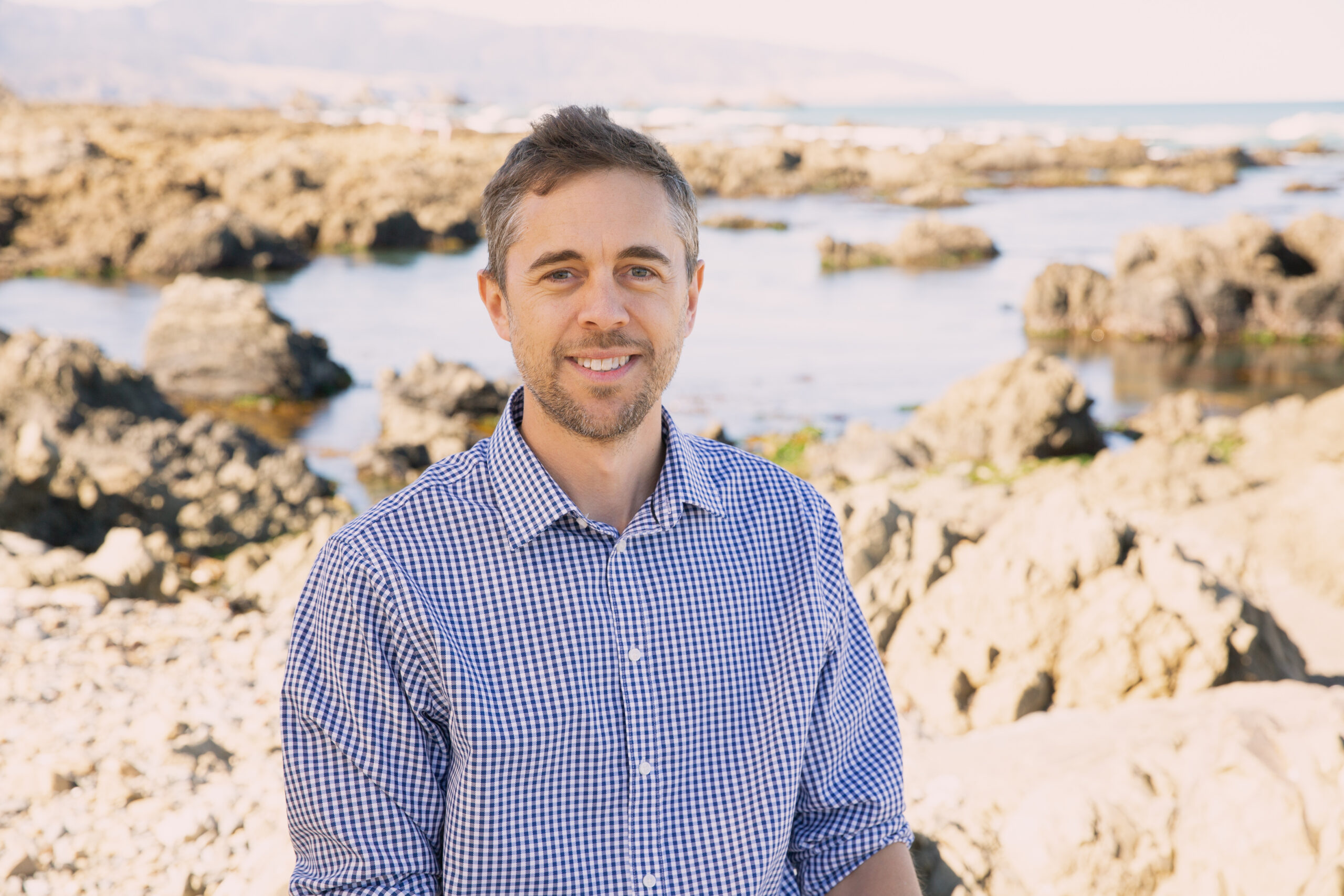
Shaun Wilkinson
Dr. Shaun Wilkinson is the Founder and CEO of Wilderlab, an award-winning commercial environmental DNA lab operating in New Zealand and Australia. As a former Rutherford Foundation Postdoctoral Fellow, Shaun developed new eDNA methods for marine and freshwater diversity assessments, and new machine learning techniques for identifying patterns within complex eDNA datasets. Since launching Wilderlab in 2019, Shaun has grown an impressive team of talented scientists who have helped catalyse the uptake of eDNA monitoring across Australasia. Shaun has a strong interest in helping communities connect with and protect their environment through eDNA technology.
Wilderlab
Bio
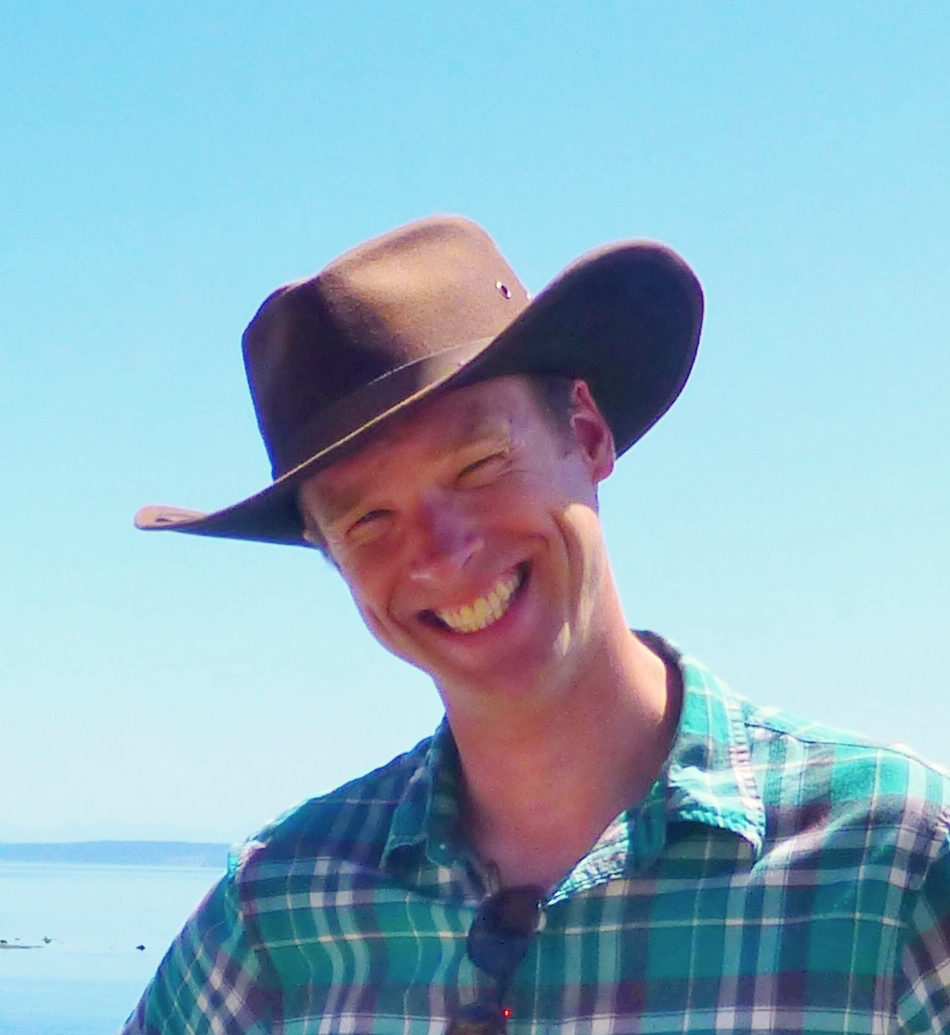
Austen Thomas
Austen is the Molecular Division Director at Smith-Root, responsible for overseeing the development of eDNA products and services. He is a molecular ecologist by training with a background in eDNA metabarcoding and marine mammal ecology. He joined Smith-Root in 2015 and spearheaded the development of the eDNA Sampler Backpack, self-preserving eDNA filters, and the Smith-Root eDNA Autosampler. Most importantly, he is an enthusiastic member of the broader eDNA technology developer community and appreciates all opportunities for scientific collaboration.
Smith-Root, Inc.
Bio
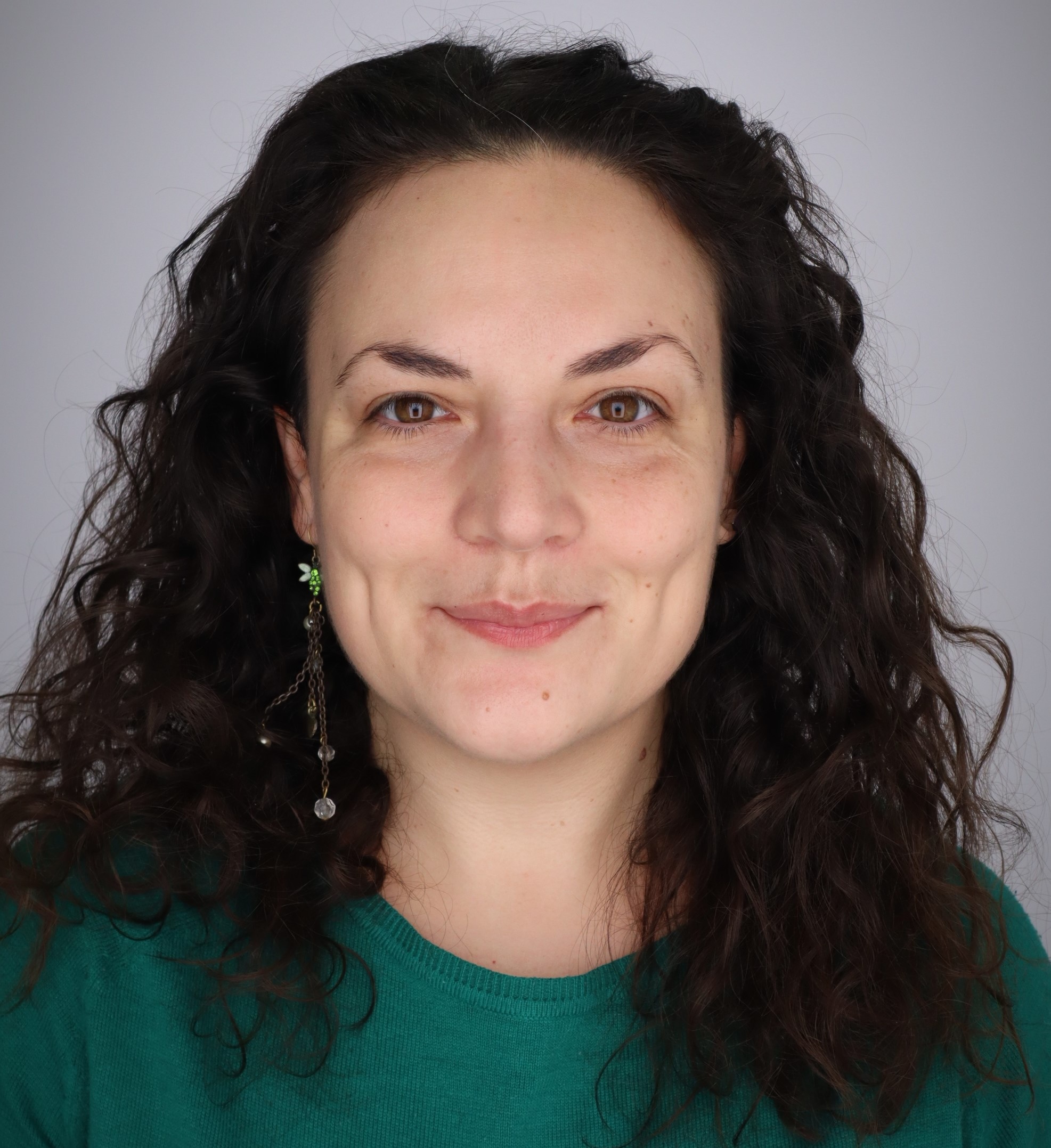
Christina Pavloudi
Christina Pavloudi is a Post Doctoral Researcher interested in microbial ecology, marine biology and bioinformatics. She has extensive experience in using eDNA metabarcoding for biomonitoring of marine ecosystems.
EMBRC
Bio
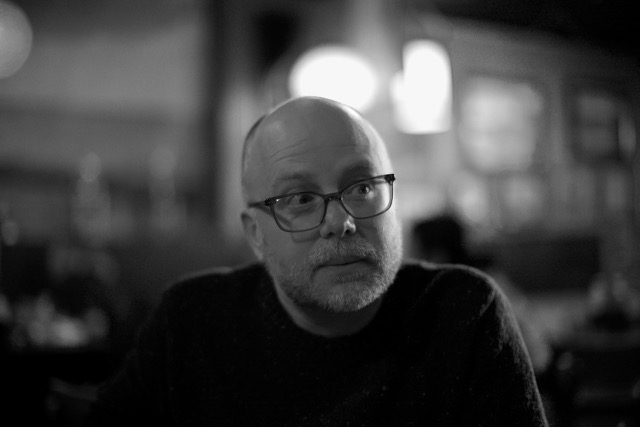
Ryan Kelly
Trained as both an ecologist and a lawyer, Ryan Kelly has a broad set of interests, focused both on hard scientific data and policymakers’ use of those data. Ryan joins genetic and ecological research with real-world implementation in law and policy, particularly with respect to environmental monitoring, resource management, and endangered species. He is the Director of the eDNA Collaborative and Associate Director of the School of Marine and Environmental Affairs within the University of Washington’s College of the Environment.
University of Washington
Bio
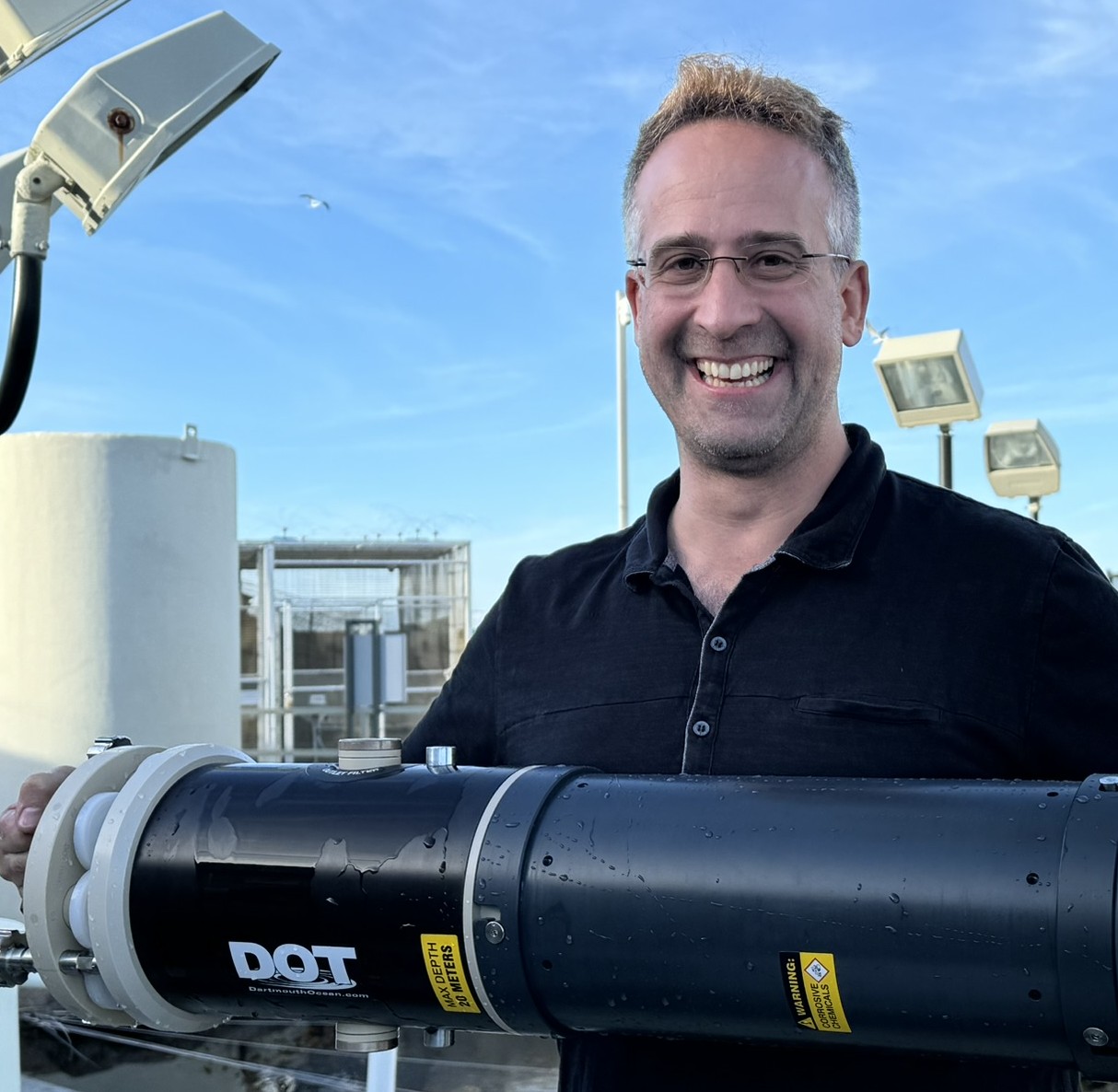
Vincent Sieben
Vince is a Professor in the Department of Electrical Engineering at Dalhousie University and the CTO of Dartmouth Ocean Technologies Inc. (DOT). The group has commercialized total alkalinity, phosphate, and nitrate sensors based on lab-on-chip technologies for marine environments. Vince led the development of DOT’s eDNA samplers that are self-priming, self-cleaning, and self-preserving for long-term completely autonomous operation. Recently, the team has developed a complete end-to-end eDNA sensor that seamlessly performs underwater sampling, extraction, and qPCR.
Dalhousie University, Dartmouth Ocean Technologies Inc.
Bio
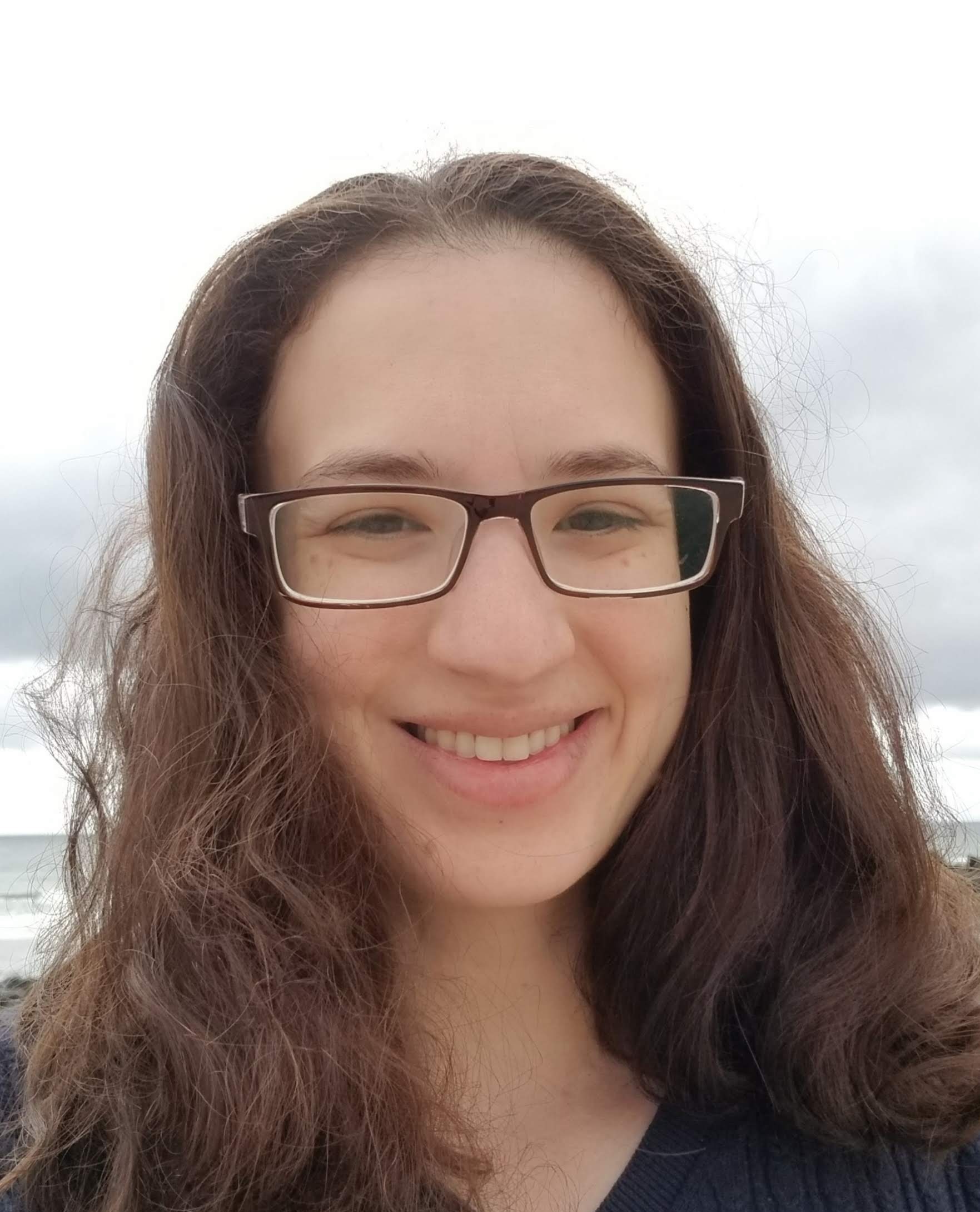
Erin Fischell
Dr. Erin M. Fischell is the President and Principal Scientist of Acbotics Research, LLC, a marine tech startup she founded after leaving academia in September of 2021 with the objective of developing accessible marine sensing systems for the scientific community. A Moore Inventor Fellow with more than 20 years of underwater systems experience, Dr. Fischell’s research interests include marine autonomy, signal processing, and acoustic sensing. Current projects include an array of lower cost technology for the scientific and fisheries communities, including passive seismo-acoustics, programmable pingers, eDNA samplers, on-deck fish/shellfish measurement systems, and multi-sensor systems for environmental monitoring for acoustics, chemical and physical oceanographic applications.
Acbotics Research, LLC
Bio
Alfredo Martins
Alfredo is currently a senior researcher at the INESC TEC Centre for Robotics and Autonomous Systems, belonging to its coordination council board. He is also a Professor at ISEP Porto Polytechnic Engineering School in the Electrical Engineering department. Alfredo has vast experience in marine robotics, working with autonomous underwater vehicles since 1997.
Currently participates in various international marine robotics research projects and related initiatives, from the exploration and environmental impact monitoring at deep-sea, to leading the robotics activities in European projects for offshore energy production or developing robotic tools for the recovery of lost fishing nets.
He leads the INESC TEC team developing eDNA sampling systems, aiming at providing advanced sensing and perception capabilities for underwater robotic systems.
Alfredo is also the engineering and logistics service group leader of EMSO-ERIC (“European Multidisciplinary water column and Seabed Observatory”), the European research infrastructure addressing the observation of the deep-sea.
INESC TEC
Bio
Mamie Souadou DIOP
Mamie Souadou DIOP is a scientific biologist specializing in marine macroalgae, seed science
and technology, taxonomy, ecology, biodiversity, and conservation. She is currently completing
her PhD in Knowledge Conservation and Biodiversity between Cheikh Anta Diop University
(UCAD) in Dakar, the Senegalese Institute for Agricultural Research (ISRA) in Dakar, the
French National Research Institute for Sustainable Development (IRD) in Dakar, and
GEOMAR – Helmholtz Centre for Oceanographic Research in Kiel. She focuses on advancing
marine biodiversity research through barcoding (species identification from DNA) and meta-
barcoding (biodiversity analysis from environmental DNA or bulk samples). She holds a
bachelor’s degree in Biology, Chemistry, and Geosciences, and two master’s degrees in
Taxonomy Biodiversity Ethnobotany and Natural Resource Conservation (Cheikh Anta Diop
University, Senegal) and in Seed Science and Technology (University of Eldoret, Kenya).
Mamie has conducted research in Senegal, Kenya, and Germany, focusing on biodiversity
assessment, seed science, genetic identification, and marine macroalgae conservation.
Passionate about biodiversity research and protection, she actively contributes to scientific
projects on marine ecology and natural resource valorization. With expertise spanning research,
fieldwork, laboratory work, genetic tools, and data analysis, she is dedicated to advancing
biodiversity conservation and sustainable resource management.
Cheikh Anta Diop University, GEOMAR – Helmholtz Centre for Oceanographic Research
Bio
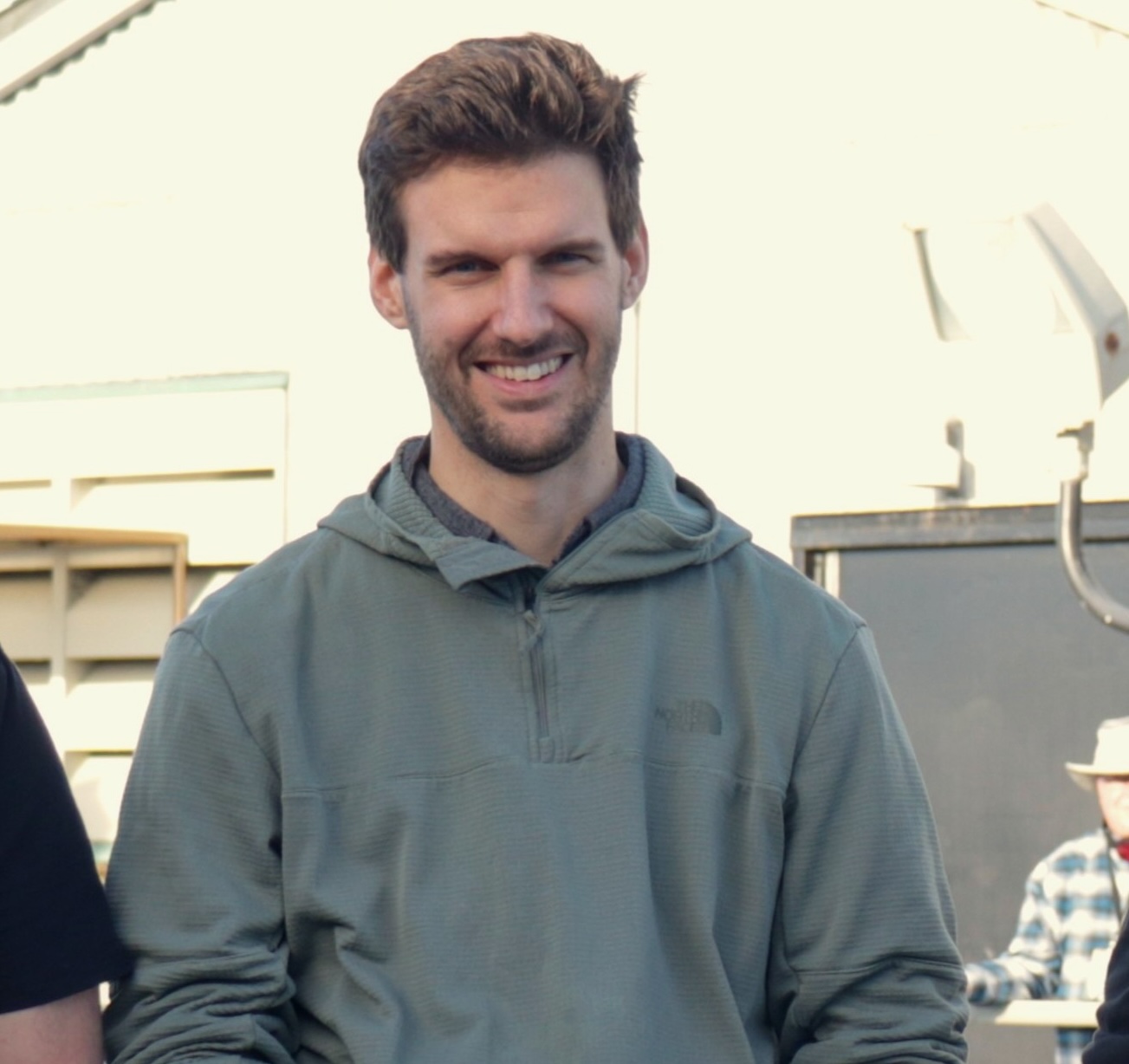
Ethan Edson
Ethan is the Co-Founder and CEO of Ocean Diagnostics, an environmental technology company based in Canada developing technologies and analytical services to quantify and monitor microplastic pollution and measure biodiversity in the world’s oceans using eDNA technologies. Ethan holds a Marine Science degree from Northeastern University and has spent his previous roles working for Northeastern’s Field Robotics Laboratory and the Woods Hole Oceanographic Institution in underwater sensor and AUV/ROV development. Ethan is a marine scientist, perpetual maker, and conservation technologist who brings a set of engineering, scientific, and leadership skills to propel the team at Ocean Diagnostics forward in the development and commercialization of novel ocean and freshwater sampling technologies.
Ocean Diagnostics
Bio
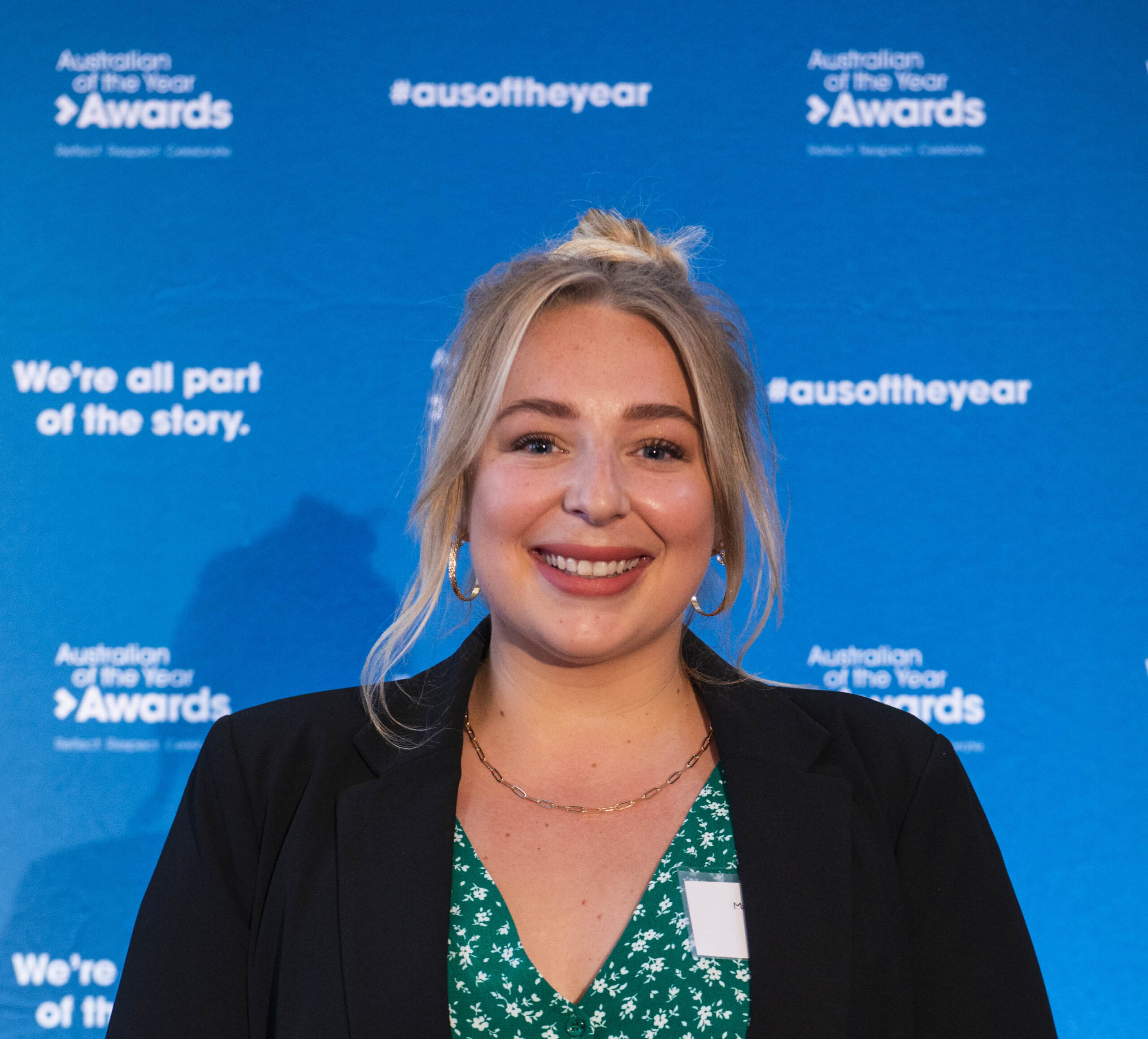
Madeline Green
Dr Madeline Green is a molecular ecologist specialising in fisheries compliance. She leads the Forensic Fisheries Lab at the University of Tasmania, developing DNA tools to trace seafood, combat illegal fishing, and protect endangered species. Her career bridges science and entrepreneurship, with a focus on collaborative research that advances fisheries management and conservation.
University of Tasmania
Bio
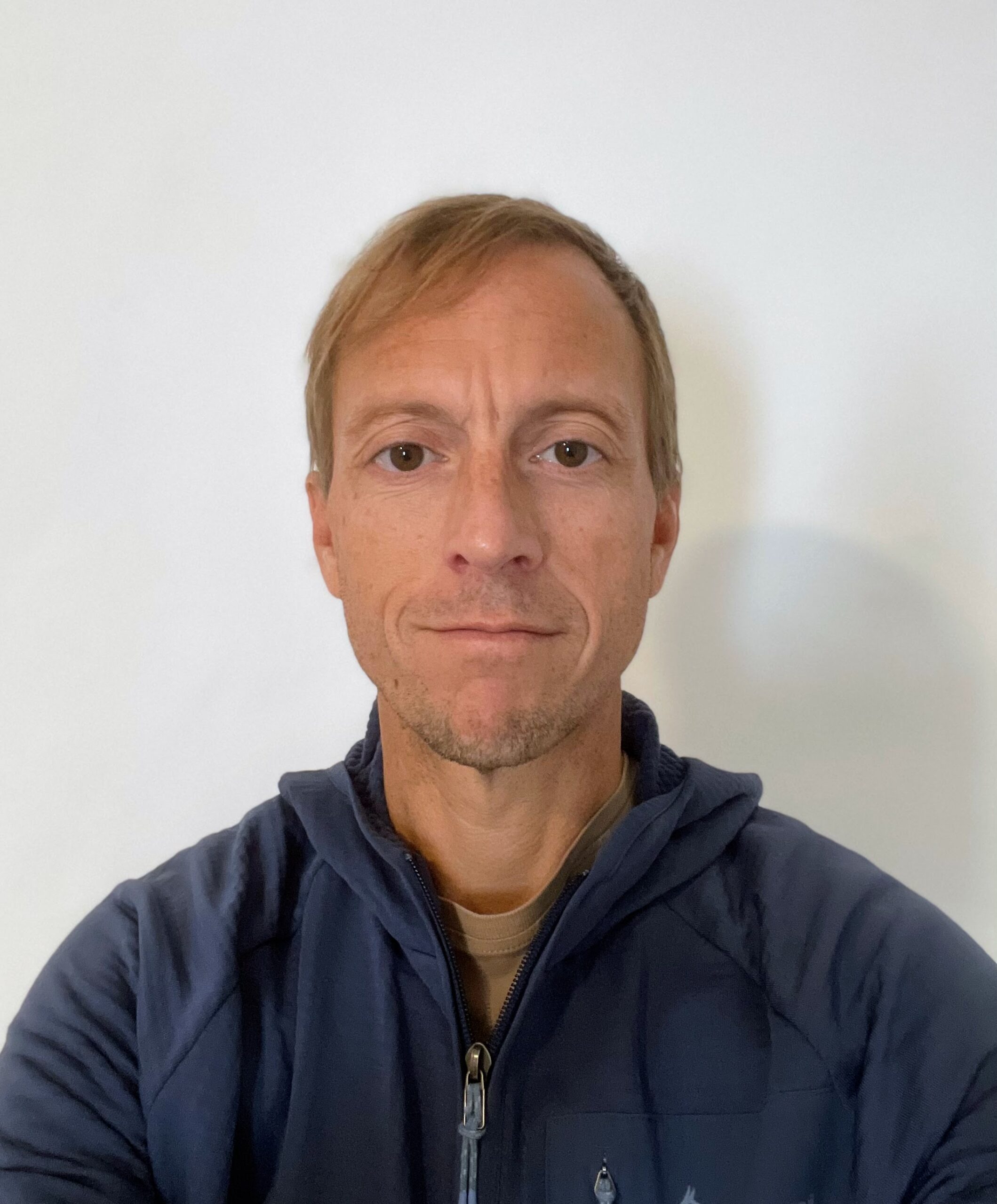
Nathan Geraldi
Nathan Geraldi is a marine ecologist and conservation scientist whose work focuses on habitat restoration, biodiversity monitoring, and the use of eDNA and novel sensors to assess ecosystem recovery. He has published widely on human impacts, blue carbon, and molecular approaches to restoration, and brings private-sector experience developing applied conservation technologies.
Bio
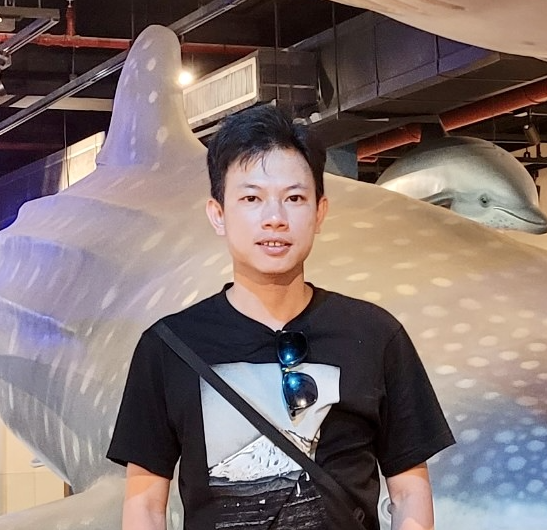
Anh Dam
Anh obtained his master’s degree in marine molecular biology from Kyushu University, Japan, in 2023. Currently, he is working as a researcher at the Research Institute for Marine Fisheries (RIMF) in Vietnam. His research interests focus on applying cutting-edge DNA techniques to studies of marine biodiversity and ecology. He is also seeking potential opportunities to strengthen both his expertise and the research capacity of his institution.
Research Institute for Marine Fisheries (RIMF), Vietnam
Bio
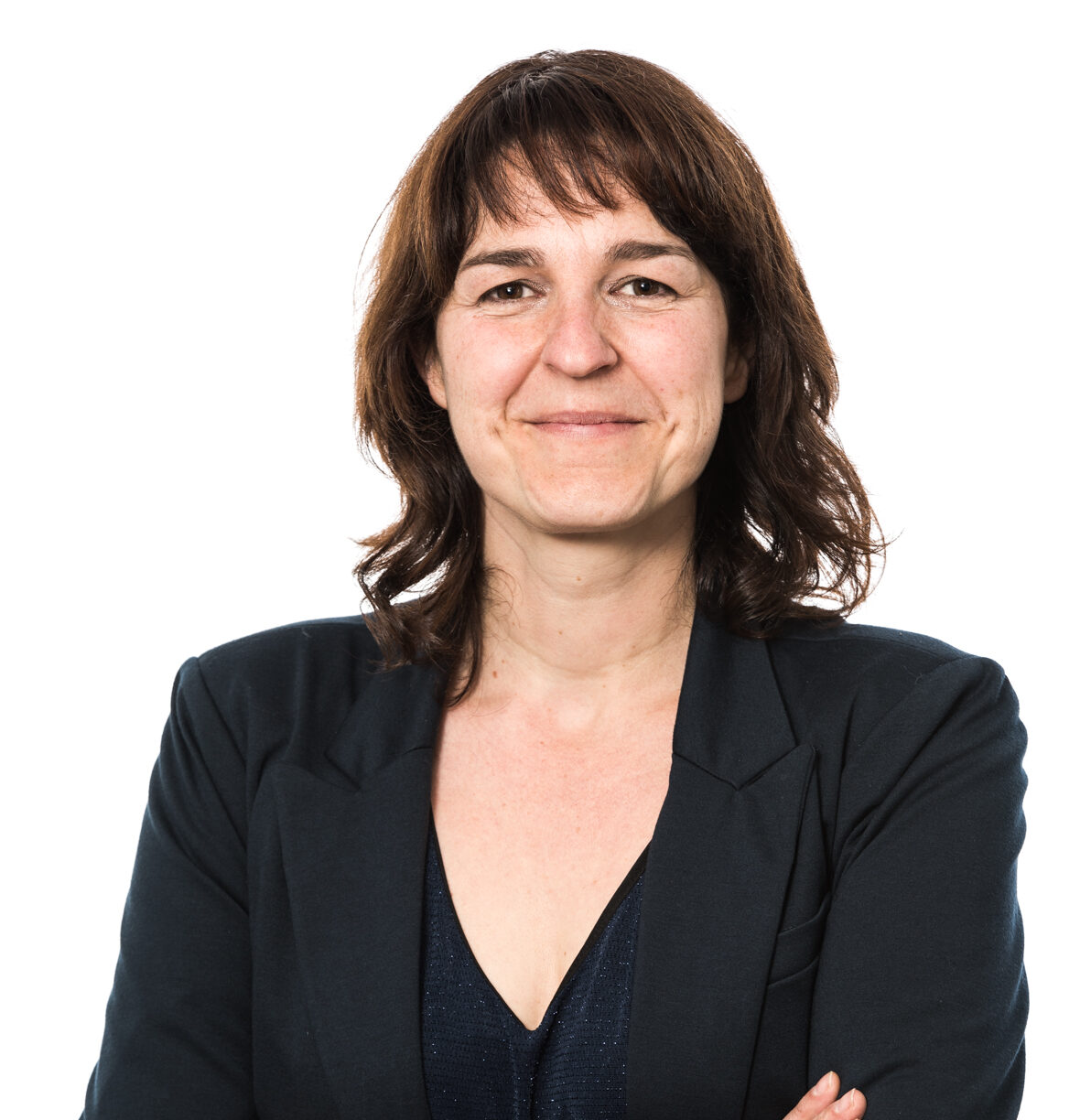
Sofie Derycke
Sofie is a researcher and group leader of the Marine Genomics Lab at ILVO. Her research focuses on understanding the impact of human pressures (fisheries, sand extraction, offshore windfarm constructions, climate change) on genetic diversity and species distributions in the marine environment. Her ambition is to achieve high spatiotemporal resolution of ocean sampling by creating a fleet of autonomous eDNA samplers on ships of opportunity.
ILVO
Bio
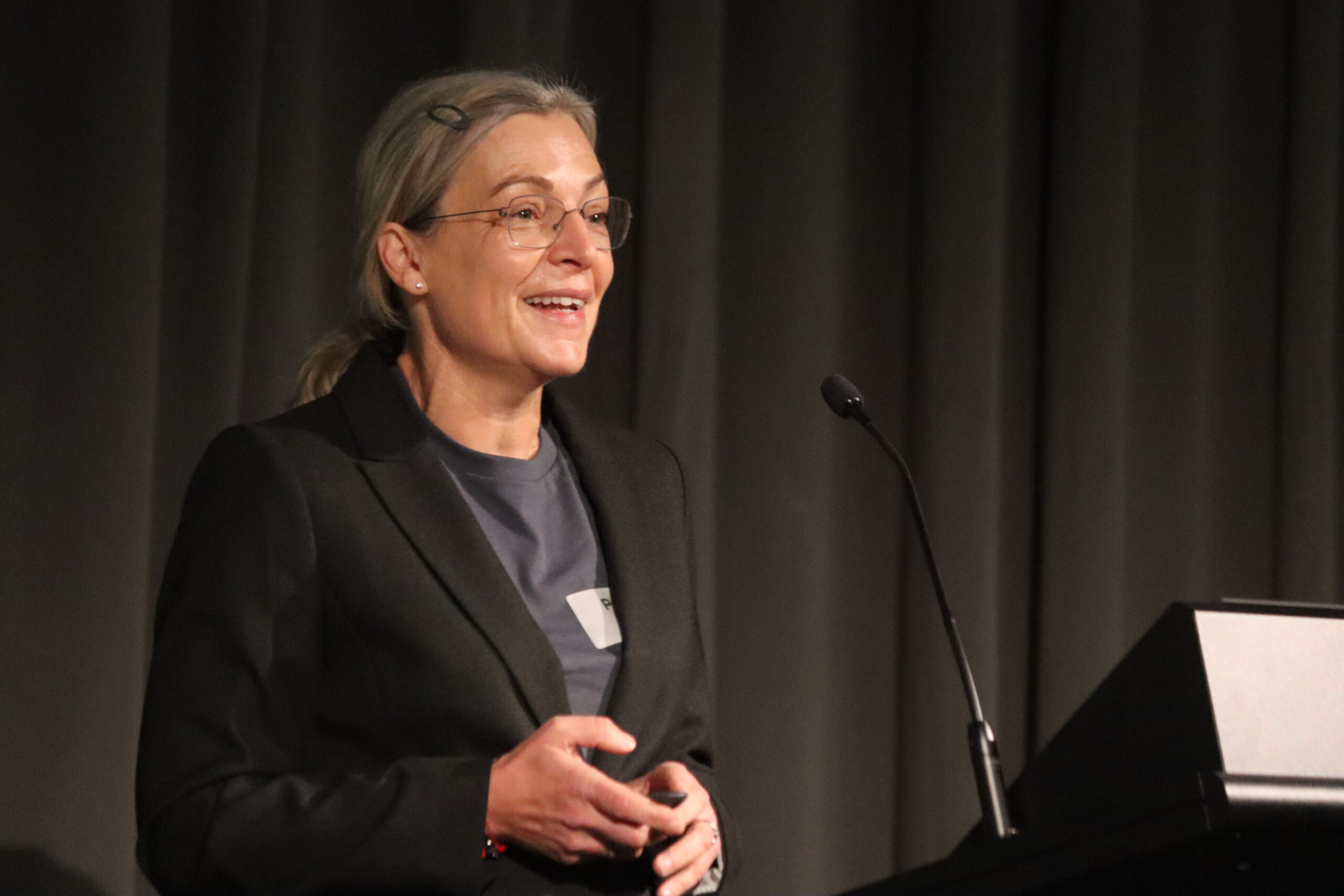
Petra Muellner
My job as an epidemiologist has taken me all over the globe and all over the spectrum of human, animal and environmental health. Working as a consultant for the Food and Agricultural Organisation of the United Nations for over a decade and collaborating with a large number of research groups and policy makers I have learned to operate within diverse environments and effectively bridge the gap between disciplines. I am passionate about connecting data and analytical models with people and making both research and the most complex of data accessible and easy to explore. In my work at Epi (https://epi.group/) we empower teams and their stakeholders to create intelligence and impact with innovate data science and software engineering. When not at my desk, in sync with my veterinary roots, I can be found either on horseback or running around outside in gumboots followed by at least one dog.
Director, Epi-interactive
Bio
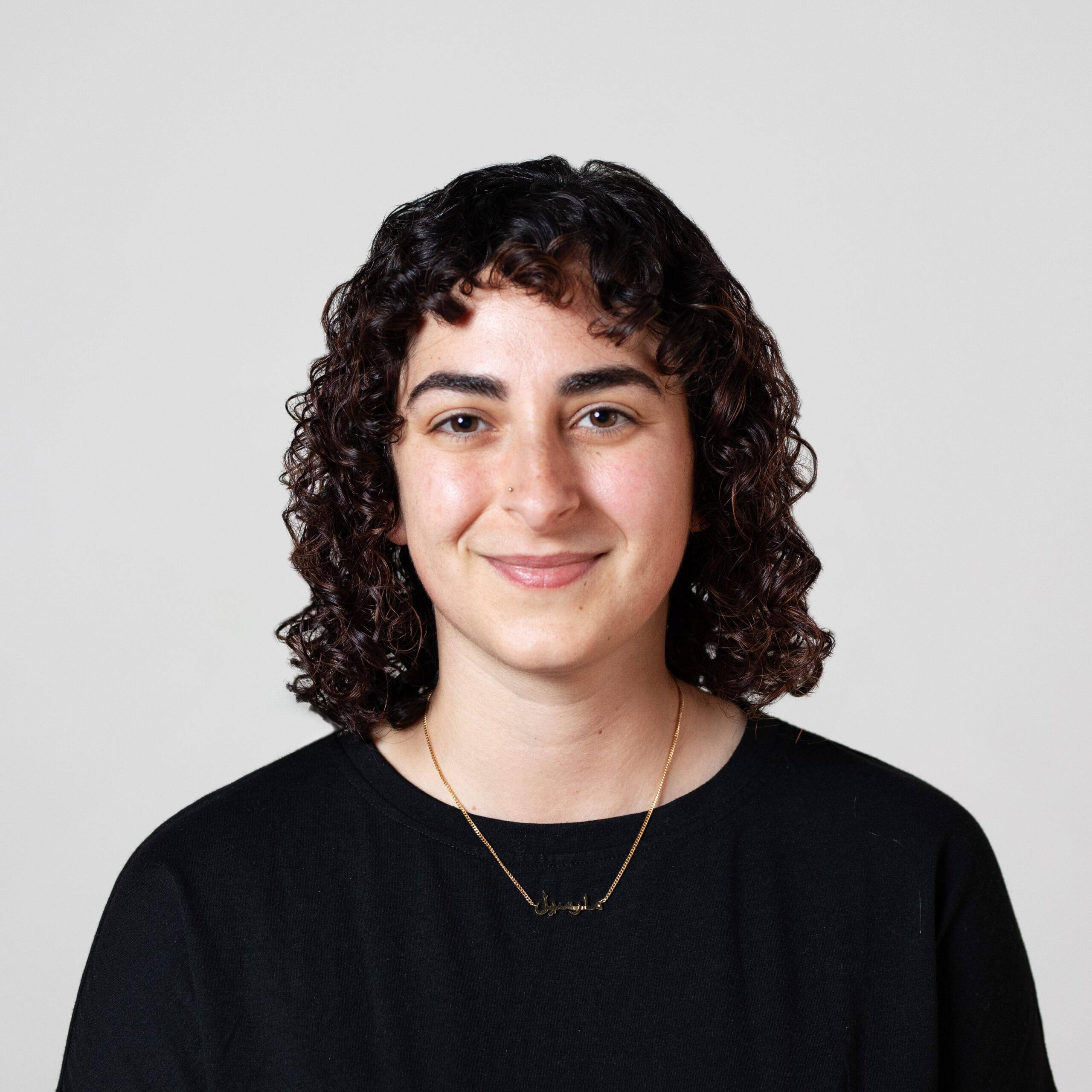
Marcelle Ayad
Marcelle Ayad is a molecular ecologist at the Minderoo Foundation specialising in environmental DNA (eDNA) research, with expertise in large-scale marine vertebrate biodiversity monitoring (https://marine-parks.minderoo.org/) and the development of molecular and bioinformatic workflows to extract more information from eDNA samples and datasets. Her work focuses on advancing eDNA sampling technologies, building capacity with partners and citizen science programs, and improving the integration of genomic tools into marine monitoring and conservation.
Minderoo Foundation
Bio
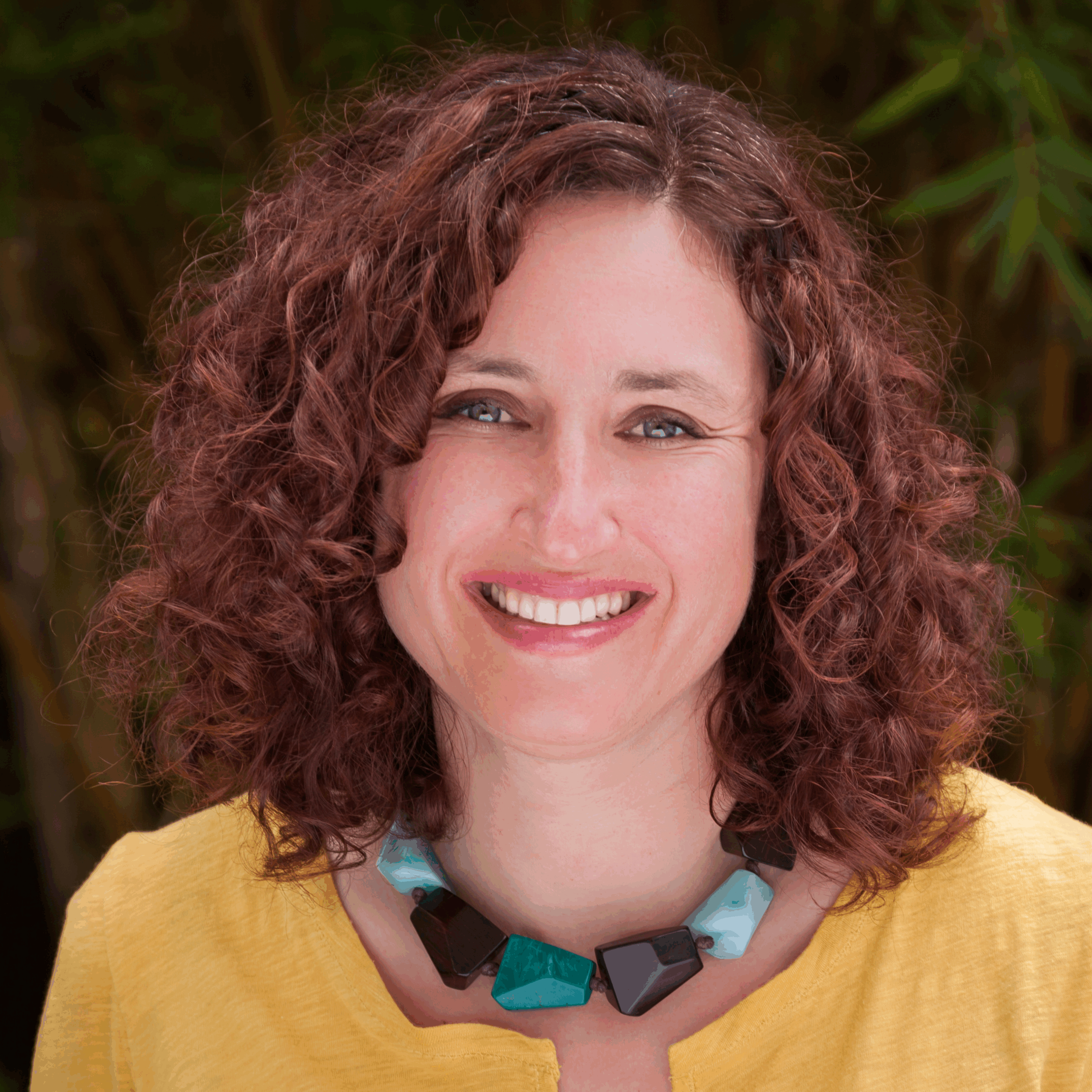
Julie Stanford
Julie Stanford is the CEO of eDNA Explorer, a platform that integrates eDNA, geospatial data and AI into one package for data analysis, collaboration, and action. Julie’s background is in user research, design and innovation — for 25 years prior to eDNA Explorer she ran a UX design agency and is a lecturer in the Stanford CS Department. She is very excited to apply her experience in the tech industry to the wonderful world of biodiversity and genomics.
eDNA Explorer
Bio
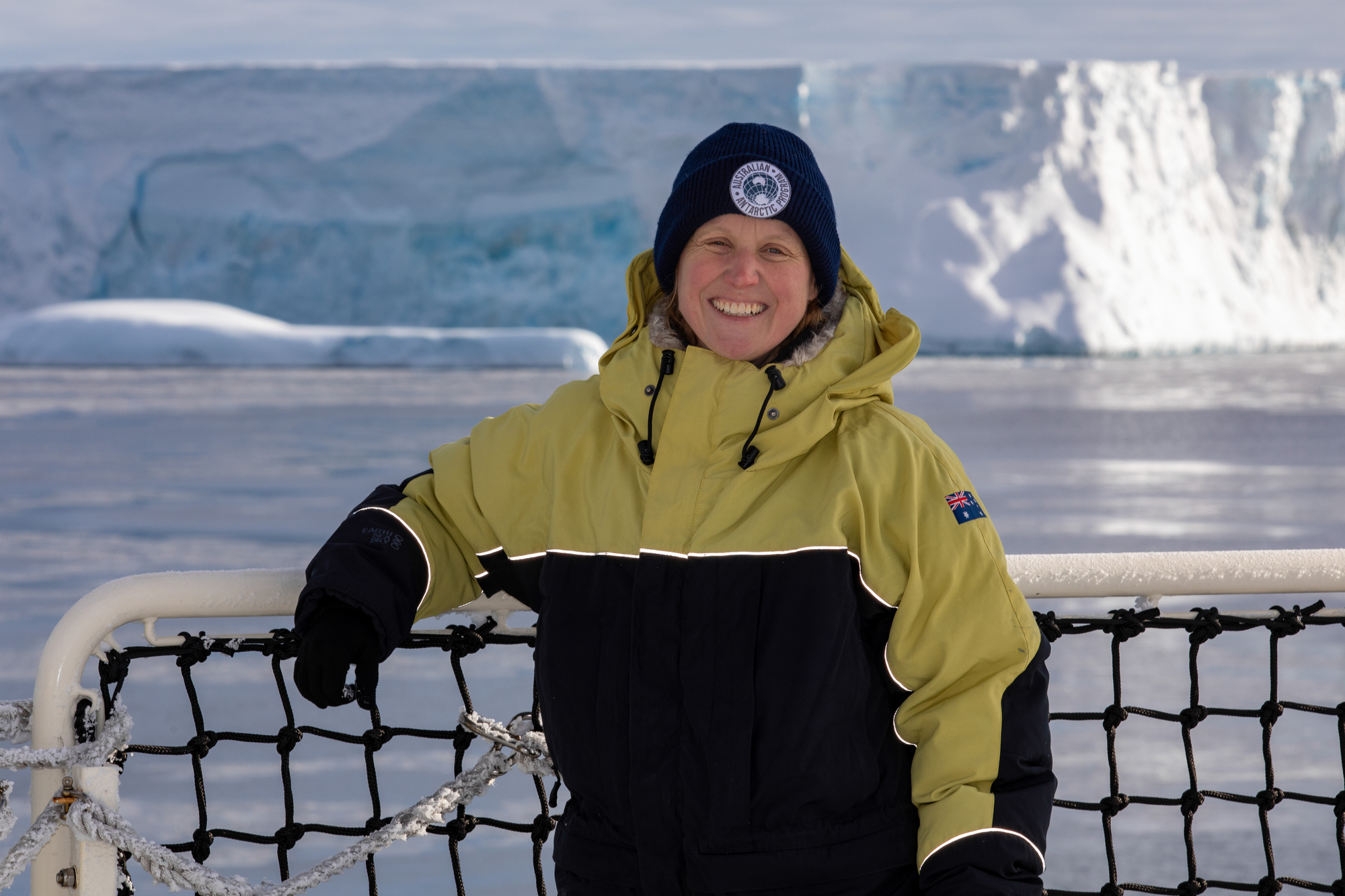
Leonie Suter
Dr Leonie Suter is a molecular geneticist at the Australian Antarctic Division in Tasmania, Australia. Her work is centred around development and optimisation of ship-based eDNA biodiversity monitoring of the Southern Ocean, with a focus on Antarctic krill and krill predators, as well as detection of non-native species in sub-Antarctic and Antarctic habitats.
Australian Antarctic Division
Bio
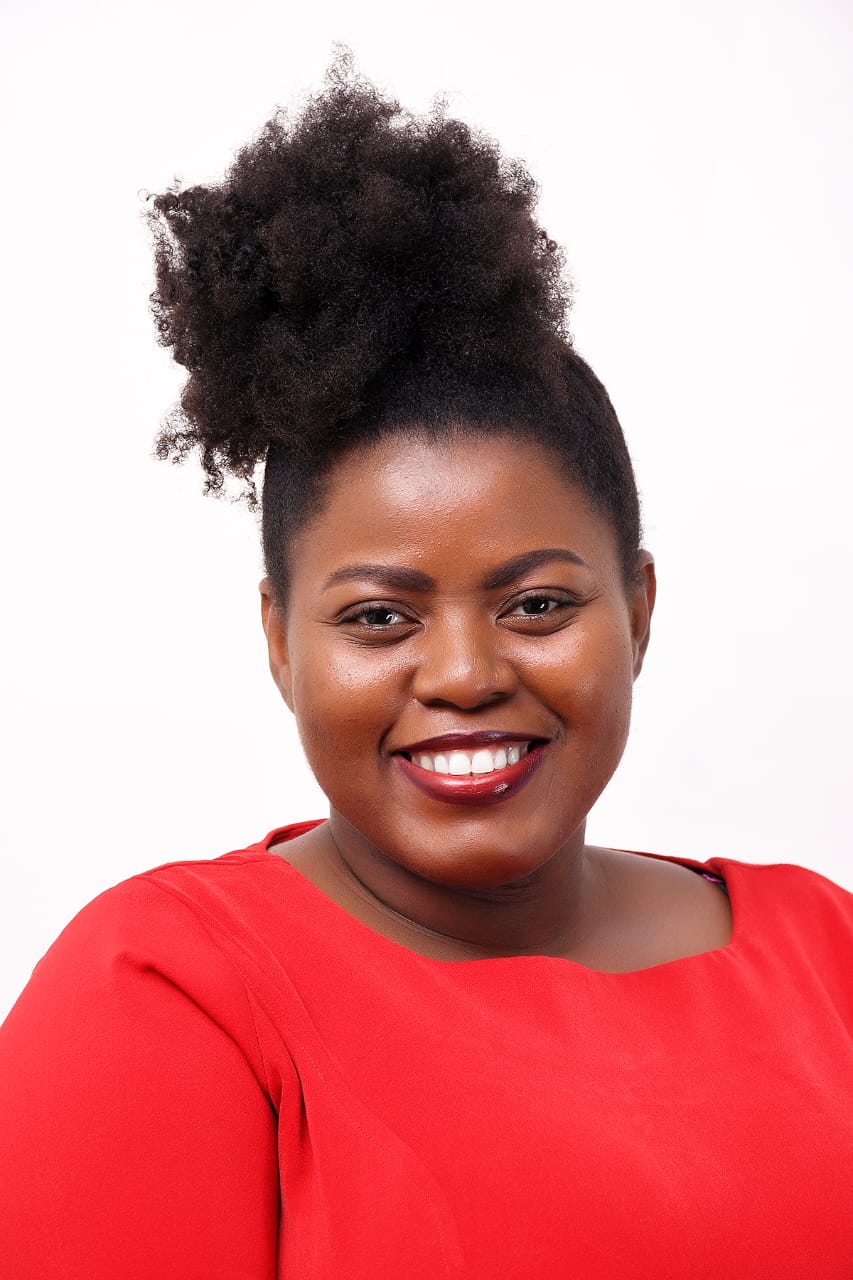
Winnie Sowah
Dr. Winnie Sowah is a Senior Lecturer with the Department of Marine and Fisheries Sciences at the University of Ghana, specializing in Fish Genetics and Aquaculture. Her research focuses on the application of molecular and population genetic tools to support sustainable aquaculture, fisheries improvement, and the conservation of aquatic biodiversity.
Current research interests encompass population genetics of fish species, as well as the ecological, genetic, and social impacts of invasive species such as Sargassum, alongside aquaculture development and fisheries, and maritime resource management.
She is particularly interested in the links between marine governance, fisheries sustainability, and maritime security in West African coastal systems.
Through her work, Dr. Sowah seeks to advance scientific understanding and policy-relevant knowledge that contribute to resilient marine ecosystems and sustainable livelihoods within Ghana and the broader Gulf of Guinea and West African sub-region.
University of Ghana
Bio
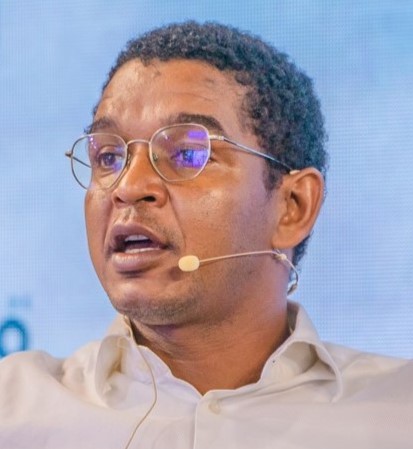
Evandro P. Lopes
Evandro P. Lopes is a university professor and researcher at the Institute of Engineering and Marine Sciences of the Universidade Técnica do Atlântico (UTA). He holds a Master’s degree in Marine Biology with a specialization in Marine Ecology and Conservation, as well as a PhD in Biodiversity, Genetics, and Evolution (BIODIV) from the University of Porto (Faculdade de Ciências da Universidade do Porto, FC-UP). Since 2010, he has been based in Cabo Verde, where he has actively participated in various research projects focused on the zoology and genetic characterization of the local biodiversity. Currently, he is leading the establishment of the Biological Collection of the Cabo Verde Archipelago within the UTA premises, a foundational project aimed at creating Cabo Verde’s future natural history museum. Beyond his local work, he also serves as an associate researcher at the Biodiversity and Genetic Resources Research Centre (Centro de Investigação em Biodiversidade e Recursos Genéticos, CIBIO) and is a member of the Editorial Committee of the Zoologia Caboverdiana journal. His work contributes significantly to the advancement of marine biology and biodiversity conservation in the region.
Universidade Técnica do Atlântico (UTA)
Bio